
Skin Botox vs Skin Boosters: A Dermatologist's Decision Guide
Skin Botox and skin boosters target different concerns. Compare pores, oil, hydration, evidence, downtime and regulatory status before treatment in Seoul.
The short answer
Skin Botox and skin boosters are not two versions of the same treatment. Skin Botox uses small intradermal doses of botulinum toxin to address oiliness and the appearance of pores or surface texture. “Skin booster” is an umbrella term for injectable products used for hydration or dermal quality; the ingredient and evidence differ by product. If oil and pore visibility are the main concern, Skin Botox may be discussed. If dehydration or broader dermal quality is the priority, a named booster may be the more relevant discussion. The studies cited below evaluate different endpoints: there is no direct trial here proving that one category is superior to the other.
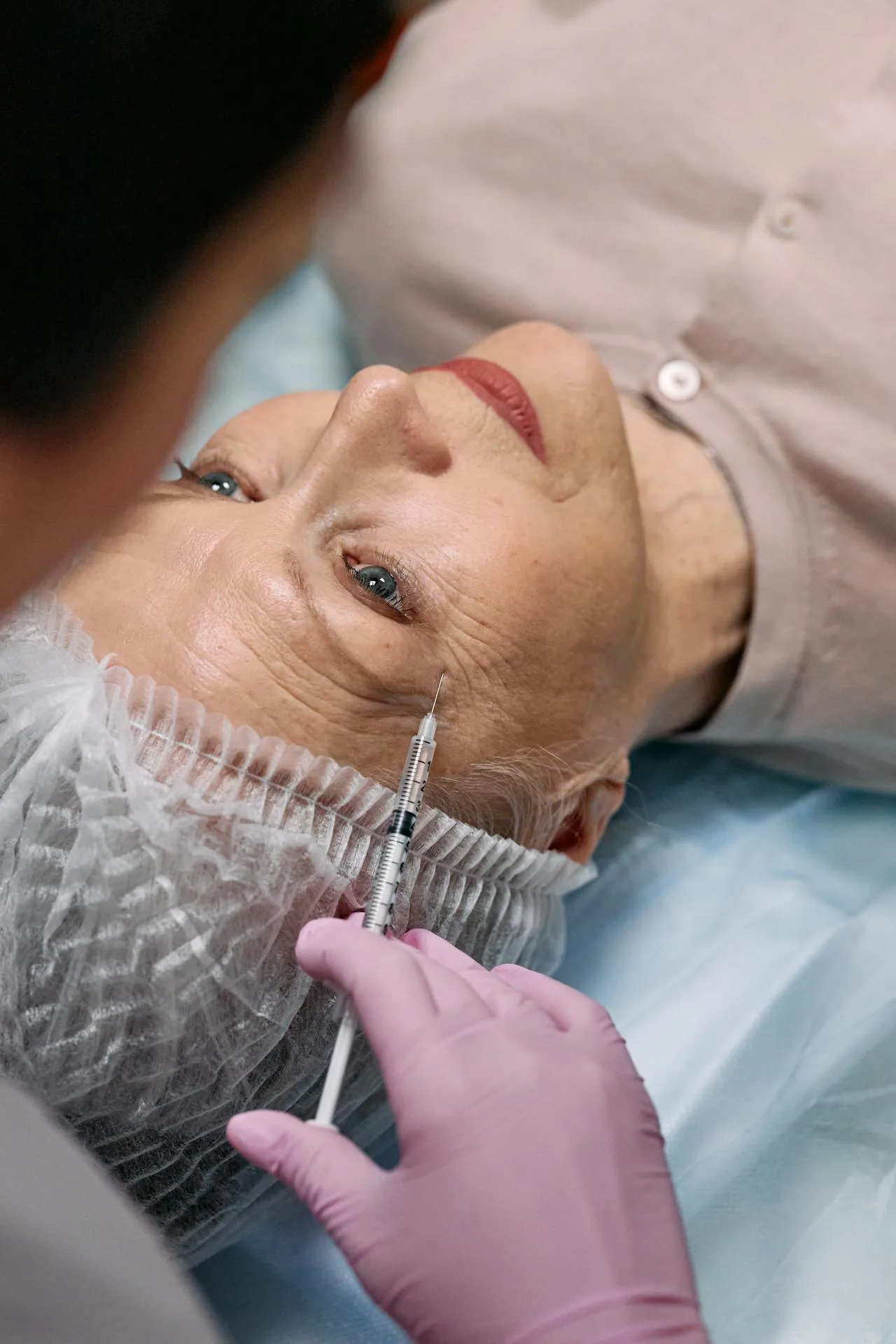
Skin Botox vs skin boosters at a glance
| Question | Skin Botox | Skin booster |
|---|---|---|
| Primary discussion | Oil or shine, visible pore appearance, selected fine surface lines | Hydration or dermal quality, depending on the named ingredient |
| What is used | Botulinum toxin type A in small intradermal doses | A named product, not one uniform category; examples include HA- or polynucleotide-based products |
| Evidence anchor | Small trials and a 2024 systematic review of intradermal toxin | Product-specific trials; a 2023 review found promising but heterogeneous evidence for injectable HA |
| Typical visible recovery | Small marks, redness, tenderness or bruising can occur | Product and technique dependent; papules, swelling or bruising can occur |
| U.S. regulatory context | Intradermal use for pores, oil or texture is off-label | Must be checked product by product; “skin booster” itself is not an approval category |
What the evidence says about Skin Botox
A 2024 systematic review and meta-analysis included ten studies (five randomized trials and five prospective cohorts) with 153 participants. It found signals for improvements in selected skin-quality measures, while also showing that the evidence base remains small and heterogeneous (PMID 39185380). A split-face study of enlarged pores and seborrhea reported lower measured sebum and improved pore appearance on the treated side (PMID 31865815). A newer placebo-controlled study in 36 women with mask-related acne also measured roughness, sebum, pore size and erythema after intradermal incobotulinumtoxinA, adding a controlled signal but not establishing a universal cosmetic result (PMID 40847901).
Pores do not anatomically disappear. A careful description is that oil output and pore visibility may change in selected patients. Results, dose, injection pattern and duration vary, and the treatment does not replace acne diagnosis, prescription care or a barrier-focused skincare plan.
What “skin booster” does (and does not) mean
A skin booster should be identified by its ingredient and product name. Injectable hyaluronic acid formulations are studied mainly for hydration and facial skin quality. A 2023 systematic review retained 13 clinical studies and reported promising changes in hydration, firmness, brightness, texture and elasticity, while calling for larger randomized trials (PMID 37038447). Polynucleotide products such as Rejuran are a different category with different evidence and regulatory status. Our skin booster decision guide and polynucleotide evidence review separate those ingredients rather than treating every injectable as interchangeable.
Regulatory status and safety
The current U.S. BOTOX Cosmetic label lists intramuscular indications for selected facial lines and platysma bands. It does not list intradermal treatment of pores, sebum or skin texture, so “Skin Botox” for those endpoints is an off-label technique. The label also warns that toxin effects may spread and lists hypersensitivity and infection at the injection site among contraindications (FDA prescribing information).
Possible local effects include bruising, swelling, tenderness, asymmetry and unwanted weakening of a nearby muscle. Depending on the area and diffusion, this can affect brow or eyelid position, smile balance or facial expression. Skin boosters have a different risk profile that depends on the material, injection plane and anatomy. Nodules, infection and vascular compromise are not interchangeable with toxin risks. Pregnancy or breastfeeding, neuromuscular disease, active skin infection, medication interactions and prior reactions should be discussed before any injectable procedure.
Which one might fit which concern?
- Oiliness or makeup breakdown: Skin Botox may be discussed after acne and barrier problems are assessed.
- Visible pores: first identify whether oil, acne scarring or loss of support is driving the appearance; one injection category cannot solve every cause.
- Dehydration or dull texture: discuss a specific booster ingredient and its evidence rather than relying on the generic label.
- Volume loss or significant laxity: neither category is automatically the right tool; filler, biostimulation, an energy device or no procedure may be more appropriate.
Combination treatment is not automatically better. Sequence, interval and whether both are needed are decisions made after examination, not a standard bundle.
Planning around a Seoul trip
Do not schedule an injectable only because a social media itinerary labels it “same day.” Small marks, papules, swelling or bruising may be visible, and rare complications require access to medical follow-up. Keep an arrival buffer, avoid placing a first-time injectable immediately before a major event, and leave enough time for review before a long flight. Use the Seoul skin trip planner to compare recovery windows, then confirm the final plan in person.
Frequently asked questions
Is Skin Botox a skin booster? No. It is an intradermal botulinum-toxin technique. “Skin booster” refers to injectable products intended for hydration or dermal quality and must be defined by the actual ingredient.
Which is better for pores? There is no universal winner. Oil-driven pore visibility may respond differently from pores made prominent by acne scars or loss of support. Diagnosis comes before the product choice.
Can I receive both in one visit? Sometimes they are discussed together, but the need, products, injection map and timing are individualized. A blog cannot prescribe that sequence.
Reviewed by
Medically reviewed by Dr. SangYoul Yun: Korean board-certified dermatologist, AAD International Fellow (IFAAD). Evidence and regulatory wording updated 2026-07-27. This article does not promise an individual result or present separate studies as a head-to-head comparison.
Sources
- Rahman E et al. Intradermal Botulinum Toxin A on Skin Quality and Facial Rejuvenation: A Systematic Review and Meta-analysis. 2024. PMID 39185380
- Rose AE, Goldberg DJ. Intradermal botulinum toxin for enlarged facial pores and seborrhea. 2019. PMID 31865815
- Philipp-Dormston WG et al. Intradermal incobotulinumtoxinA for maskne: placebo-controlled double-blind study. PMID 40847901
- Ghatge AS, Ghatge SB. Injectable hyaluronic acid for facial skin quality: a systematic review. 2023. PMID 37038447
- U.S. FDA. BOTOX Cosmetic prescribing information, revised October 2024. Official label
Medical disclaimer: This is general education, not a diagnosis or treatment recommendation. Suitability, product, dose, technique and follow-up require an in-person medical assessment.
Notice: The information in this article is for general educational purposes only and does not constitute medical advice. Individual treatment plans are determined through personal consultation with a board-certified dermatologist. Results may vary.
Related Procedures