Mon - Fri 10:00 - 20:00

HA Filler · Juvéderm · Restylane · Belotero · Yvoire · Neuramis

Face Filler in Seoul | Hyaluronic Acid Dermal Filler

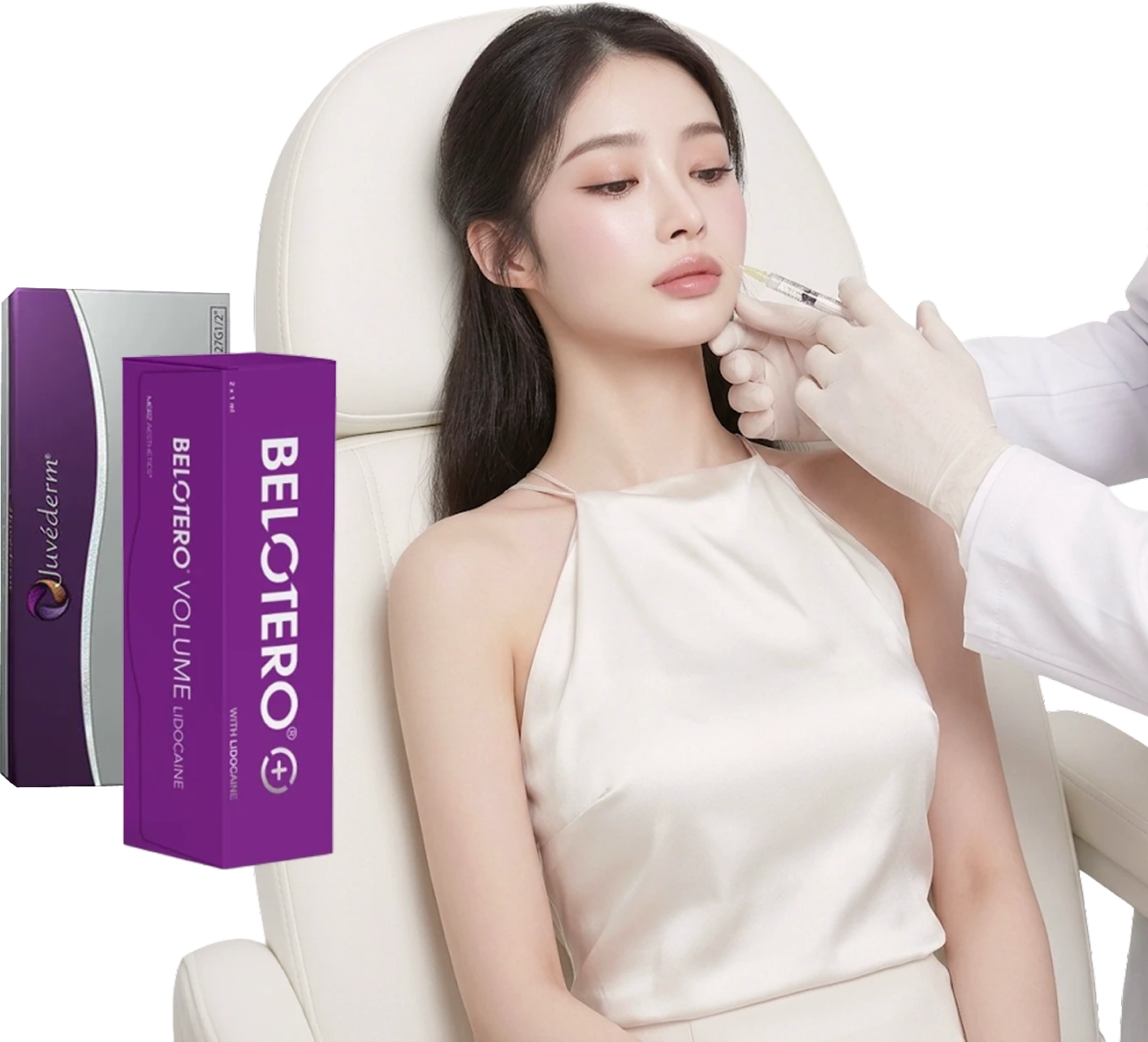
HA filler restores lost volume in cheeks, tear troughs, lips, nasolabial folds, chin, and jawline. Product is matched to the zone — high-lift gels for cheek and chin, soft cohesive gels for lips, and superficial-placement gels for fine lines. Dr. Yun (male, Board-Certified Dermatologist) selects across Juvéderm, Restylane, Belotero, and Korean Yvoire / Neuramis based on facial anatomy and your timeline. Vascular safety is the priority.

HA Filler — HA Filler · Juvéderm · Restylane · Belotero · Yvoire · Neuramis
Dr. SangYoul Yun
Reviewed by Dr. SangYoul Yun
Board-certified Dermatologist · Chief Director · AAD Member
01

Overview

Hyaluronic acid (HA) dermal filler at Delight Dermatology in Gangnam — anatomy-based product selection across Juvéderm (Allergan), Restylane (Galderma), Belotero (Merz), and Korean Yvoire (LG Chem) / Neuramis (HUONS). Injected by Dr. SangYoul Yun, Board-Certified Dermatologist (male). Vascular safety is the priority. Reversibility limits and 10-year cumulative cost are reviewed at consultation — before, not after, your injection.

Best for

  • Midface and cheek volume loss — flattening of the cheek apex, shadowing under the eye, sagging that follows
  • Tear-trough hollowing — dark circles caused by anatomic depression, not pigment
  • Nasolabial folds (NLF — the lines from nostril to corner of mouth, deepened by midface descent)
  • Lip volume, shape, and definition — including upper-lip philtral column and vermilion border
  • Chin projection and length — short or recessed chin, dimpled chin (mentalis hyperactivity)
  • Jawline definition and pre-jowl sulcus — to reduce the visible jowl shadow at the chin-jaw junction
  • Fine perioral and infraorbital lines — superficial intradermal placement for crepey skin, NOT volume

Suited for

  • Adults of legal age (Korean 만 19+, FDA label 21+ for most products) — most patients seeking volume restoration are 30+. For patients in their 20s we usually counsel that filler may not be the right tool yet — please come for consultation rather than booking online
  • First-time filler patients seeking a conservative initial dose with return-visit assessment — we typically place 0.5-1.5 mL across one or two zones on a first visit, then reassess in 2-4 weeks
  • International patients who can schedule injection on day 2-3 of a Seoul trip and stay 2-3 more days for review
  • Male patients seeking chin / jawline / mandibular angle definition — male anatomy receives different placement, volume, and angular shaping than female
  • Veteran filler patients seeking honest reassessment of cumulative load — Dr. Yun may recommend partial hyaluronidase before placing new product
  • Patients comfortable with a treatment that lasts 9-18 months per zone and requires periodic top-ups
  • Patients who have read the vascular-event disclosure and accept that filler carries a rare but serious risk
  • Patients who require female-staffed treatment rooms, family-accompanied visits, hijab-respecting protocols, or Ramadan-friendly scheduling — proactively offered
Duration
30-45 min single zone · 60-90 min multi-zone consultation + injection + review
Sessions
1 session per zone · refresh every 9-18 months depending on zone and product
Downtime
Same-day return to non-strenuous activity · bruising 0-10 days lip / tear trough

Peak result
2-4 weeks after swelling settles
02

Timeline

  1. Immediate (Day 0)

    Visible volume restoration on the injection table. Mild swelling and small needle marks are normal. Lip work usually swells more than midface for 24-48 hours.

  2. Day 1-3

    Swelling peaks around 24-48 hours. Possible bruising at injection sites, especially lips and tear trough — concealable with mineral makeup after day 2.

  3. Week 1-2

    Swelling resolves; the result you see at the 2-week mark is closer to the true outcome. Minor asymmetries may be addressed at the 4-week review.

  4. Month 1 follow-up

    Settled appearance. Top-up volume can be added if a zone is under-corrected. Photographic comparison with baseline.
  5. Month 6

    Volume retained in most zones; mobile zones (lips, perioral) may show earlier softening. Skin quality unchanged — HA filler is volume, not skin rejuvenation.

  6. Month 9-18

    Gradual loss across the zone — longest persistence in immobile zones (cheek, chin, jawline), shortest in lips and perioral. Repeat injection planned around lifestyle, not a fixed clock.

  7. Long-term (multi-year)

    Honest disclosure — repeat injection over many years accumulates cost and, in some patients, soft-tissue stretch known as filler fatigue or pillow face. We plan endpoints, not perpetual top-ups.

03

Devices

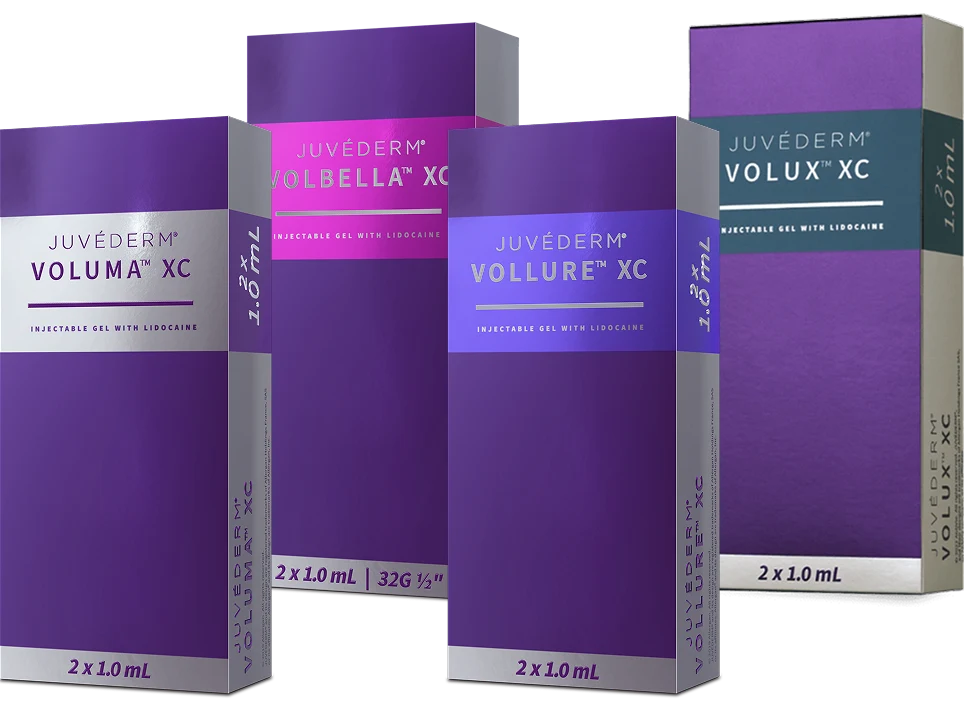
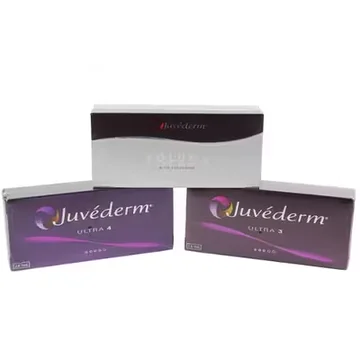
Juvéderm VYCROSS family — Voluma · Vollure · Volbella · Volux

Allergan Aesthetics (AbbVie)FDA PMA P110033 (Voluma cheek + temple, Vollure NLF, Volbella lip + infraorbital, Volux chin)

Key specs

VYCROSS (cohesive crosslinking) hybrid LMW + HMW HA platform
BDDE (1,4-butanediol diglycidyl ether) crosslinker — global HA standard
Voluma
high elastic modulus (G') for cheek and chin projection
Vollure
mid-G' for nasolabial fold support
Volbella
low-G' soft gel for lips and perioral fine lines
Volux
highest G' in family for jawline definition
Hyaluronidase-resistant — full dissolution may need repeat sessions
Available through licensed Korean distribution; verify lot at consultation

Restylane NASHA + OBT family — Lyft · Defyne · Refyne · Kysse · Eyelight · Contour

GaldermaFDA PMA P040024 + P140029 (Lyft cheek + chin, Defyne chin, Kysse lip, Eyelight infraorbital, Contour cheek)

Key specs

NASHA (Non-Animal Stabilized HA) biphasic gels for lift — Lyft, Contour
OBT (Optimal Balance Technology / XpresHAn) flexible gels — Defyne, Refyne, Kysse
Lyft
high G' for midface, chin, and mandibular projection
Kysse
soft cohesive gel optimized for lip movement
Eyelight
FDA-approved specifically for infraorbital hollow
Restylane-L is among the most hyaluronidase-responsive HA products
Strong long-term safety record across global registries
Often paired with VYCROSS to combine lift and softness in one plan

Belotero Balance (CPM polydensified matrix)

Merz AestheticsFDA PMA P090016 (Balance only — Belotero Volume / Intense are CE-marked in Europe but NOT FDA-approved in the United States)

Key specs

CPM (Cohesive Polydensified Matrix) variable crosslink density
Only HA gel approved for superficial intradermal placement
Integrates smoothly with tissue without lumping
No Tyndall effect — safe near eyelid and superficial skin
Low G' — for fine perioral lines and tear-trough refinement
Not a lifting product — wrong choice for cheek projection
Often used as a finishing gel after a deeper lift product

Korean domestic — Yvoire (LG Chem) · Neuramis (HUONS)

LG Chem (Yvoire) · HUONS / Medytox (Neuramis)MFDS (Korean Ministry of Food and Drug Safety) approved domestic devices. Korean YYS-series prospective postmarketing safety published in the Korean dermatology literature.

Key specs

Domestic supply — typically lower per-syringe price than imported
Full HA crosslink range
Classic, Volume, Contour, Hydro
Korean prospective postmarketing safety data published
Preferred by many Korean clinicians for high-volume practice
International patients often prefer imported brands for continuity
Brand and lot recorded in your written record either way
04

Process

  1. 01

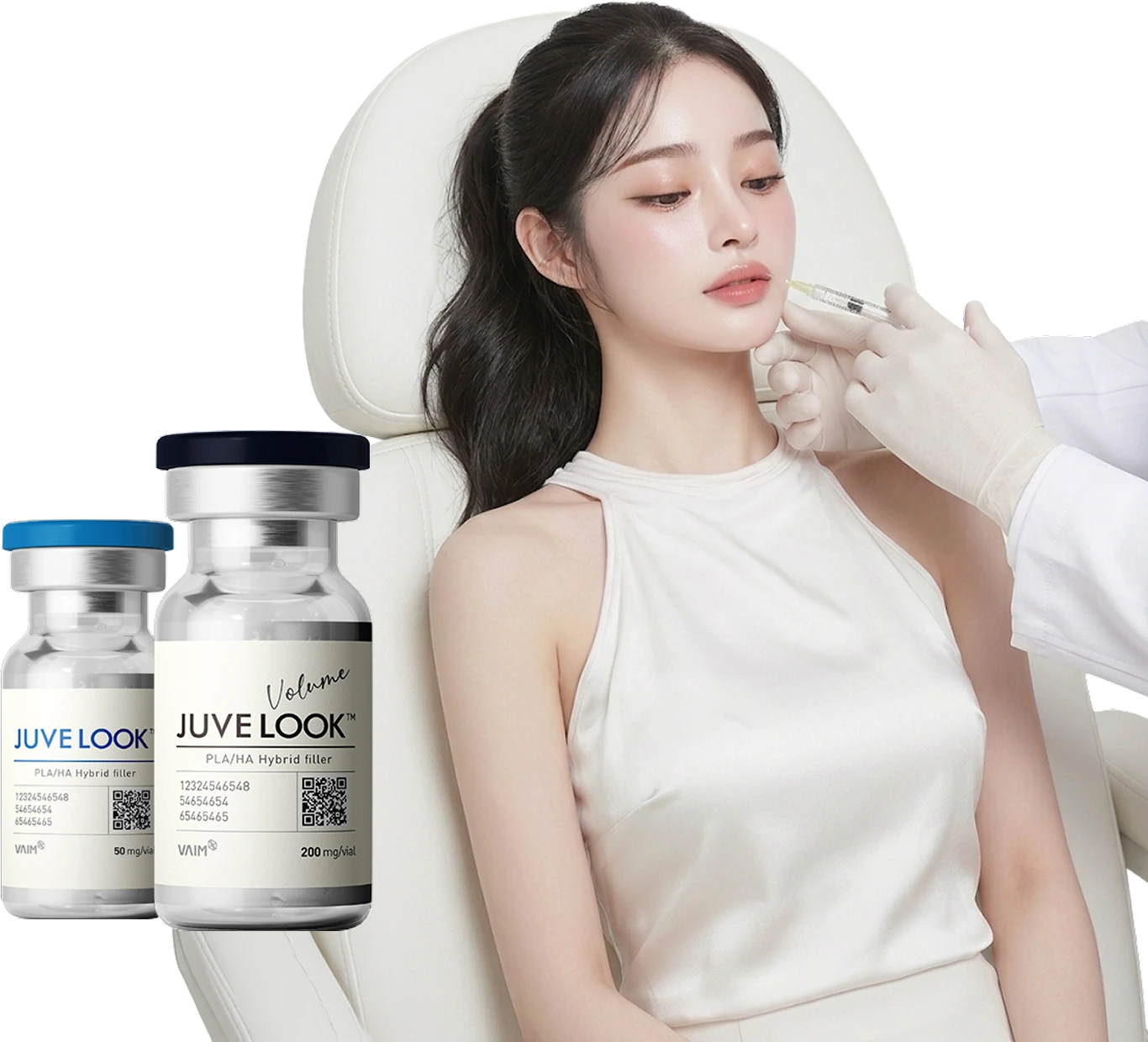
    Consultation + facial analysis by Dr. SangYoul Yun (male, Board-Certified Dermatologist). Photographic baseline, anatomy mapping, and product selection discussed openly — including the option to decline filler in favor of Sculptra, JUVELOOK / Rejuran, or surgical referral. Female assistant present throughout; female-only treatment team available on request; family or chaperone accommodation provided.
  2. 02

    Vascular safety review — high-risk zones (glabella, nose, NLF) flagged with explicit refusal patterns where appropriate. Layered safety steps include anatomic knowledge, slow low-pressure injection of small aliquots (< 0.1 mL), cannula in high-risk zones, and immediate stop-and-treat protocol if any pain or blanching. Aspiration is performed as an adjunct, not as primary safety — the literature shows aspiration sensitivity is approximately one-third, so we do not rely on it. Hyaluronidase (Hyalase / Liporase) is stocked on-site at flooding-dose volumes for emergency reversal per published consensus protocols.

  3. 03

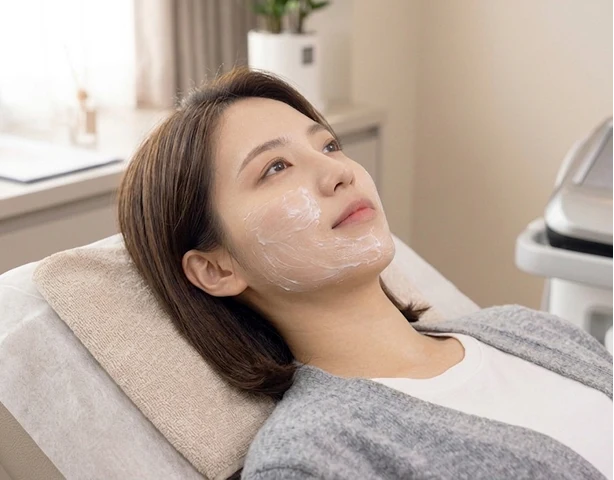
    Topical anesthetic — lidocaine/prilocaine cream under occlusion for 30-45 minutes. Optional infraorbital or mental nerve block available on request for meaningful lip augmentation; many patients prefer topical-only so muscular tone is preserved for real-time symmetry assessment. Most HA products contain integrated lidocaine.

  4. 04

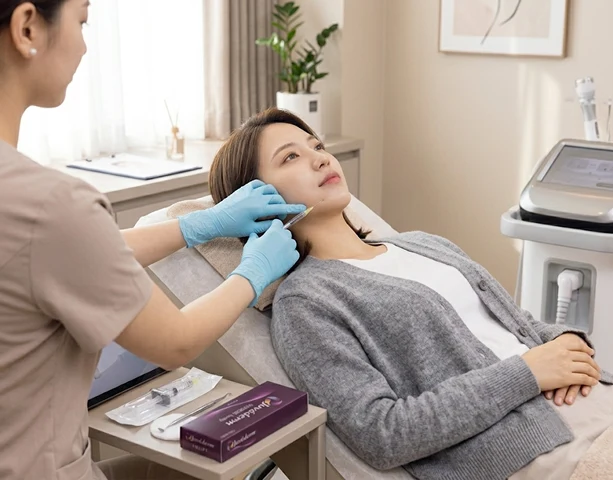
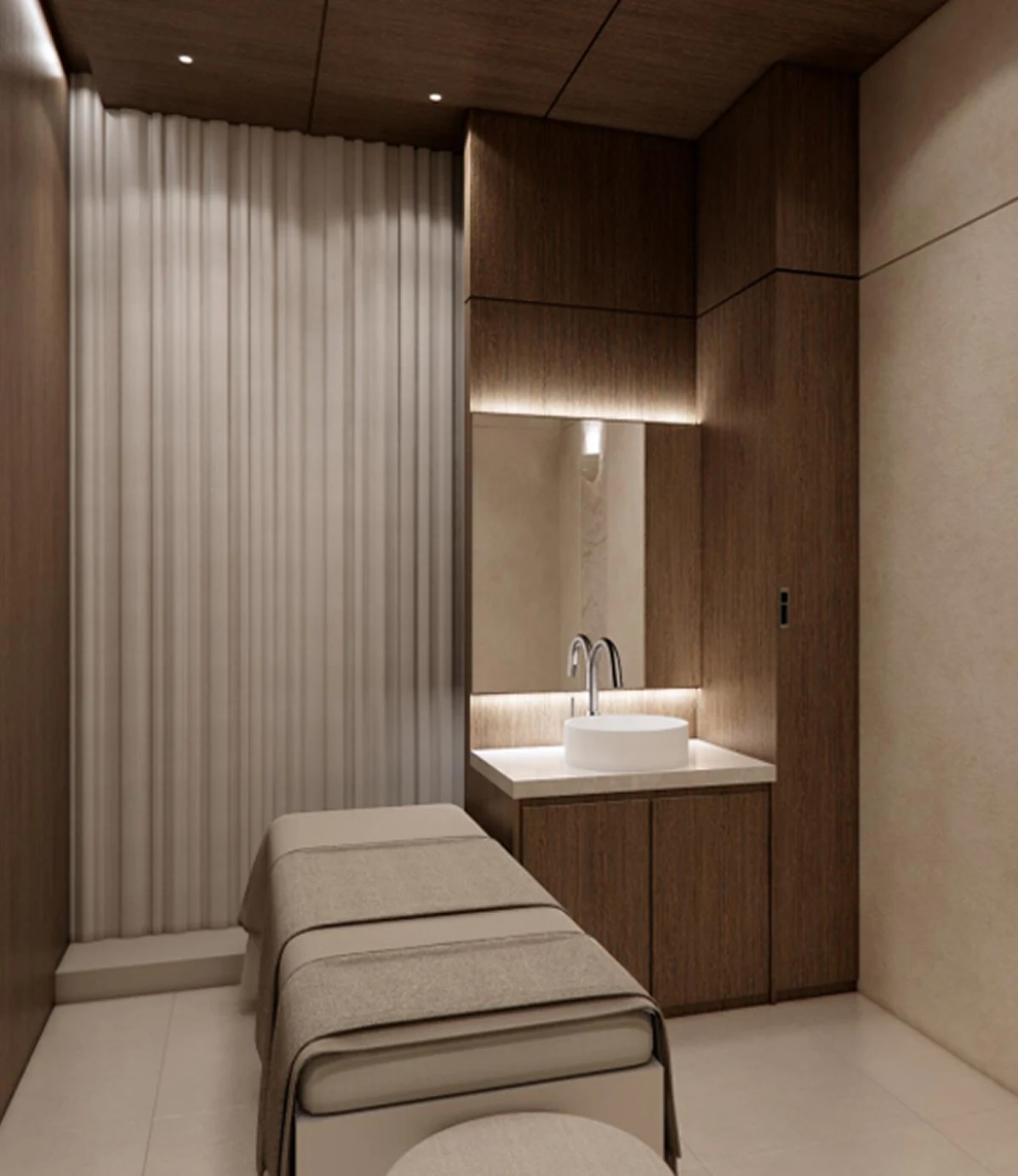
    Injection performed in private treatment room. Cannula gauge selected per zone — 22G blunt cannula for deep cheek and jawline; 25G cannula for NLF, tear trough, and lip; 27G cannula for fine perioral lines. Needle (27-30G) reserved for precise small-volume superficial work. Cannula is the default in high-risk zones (glabella, nose, NLF) to reduce — though not eliminate — vascular occlusion risk. Product volume typically 1-2 syringes per first session.

  5. 05

    Immediate post-injection skin-perfusion check — observation for blanching, dusky discoloration, reticulated mottling, and disproportionate pain in the injected territory. Any abnormal finding triggers immediate hyaluronidase flooding per DeLorenzi 2017 protocol — repeated hourly until reperfusion, with hyperbaric oxygen referral pathway for retrobulbar / vision-threatening events. Cold compress applied.

  6. 06

    Same-day photo review, written aftercare, and 4-week follow-up scheduled. International patients receive a written record of brand, lot number, expiry, zone, volume, instrument used, and Dr. Yun's signature with clinic stamp — bring this to your home dermatologist for continuity of care. Video follow-up at 1-week and 4-week intervals available for international patients in your language via messenger.

05

Aftercare

  1. 01Day 0 (first 4 hours)

    Cold compress in 10-minute intervals for swelling control. Do not press, massage, or manipulate the injection zone. Sleep with head elevated tonight.

  2. 02Day 1-3

    Avoid alcohol, vigorous exercise, sauna, hot yoga, and facial massage. Sleep on your back if possible. Mild swelling and small bruises are expected — not a complication.

  3. 03Day 3-7

    Bruising can be concealed with mineral makeup. Resume normal exercise. Avoid dental cleaning for 2 weeks. Notify us immediately of pain that worsens after day 1, skin color change, or vision change.

  4. 04Week 2-4

    Final result evaluated at the 4-week visit (video or in-person). Resume retinoids and chemical exfoliants. Energy-based devices on the treated zone (RF, ultrasound, laser) wait at least 2 weeks.

  5. 05Long-term

    Annual review recommended. Report any new lump, tenderness, color change, or systemic illness (COVID, dental abscess, flu, major surgery) that occurs near the filler zone — late-onset nodules can be triggered by immune events months to years after injection.

06

FAQ

How do I choose between Juvéderm and Korean brands like Yvoire or Neuramis?

The two are not interchangeable on price alone. Juvéderm (Allergan, US) and Restylane (Galderma, Sweden) are the most widely studied imported HA fillers, with large global safety registries and the easiest continuity of care if you treat in multiple countries. Korean domestic brands Yvoire (LG Chem) and Neuramis (HUONS) are MFDS-approved with published Korean prospective postmarketing safety data. Per-syringe price is typically lower for Korean brands. International patients often prefer imported brands so a dermatologist in their home country can recognize and continue the product. Korean residents and patients prioritizing value often select Korean brands. Dr. Yun walks you through the trade-off without a sales bias toward either; brand and lot are recorded in your written handover regardless.

Can I complete face filler in a single Seoul trip?

Yes — face filler is one of the few procedures realistically completed in a single visit. The injection itself takes 30-60 minutes after a thorough consultation. Recommended trip shape: arrival day 1, consultation + injection day 2 or 3, photo review day 4-5 before flying. Avoid same-day injection on arrival because jet lag and dehydration worsen swelling. Lip and tear-trough work may bruise for 5-10 days — concealable with mineral makeup. Plan important social events for at least 2 weeks after injection. If you need 2+ zones treated, we can sometimes split into two sessions 5-7 days apart within the same trip; otherwise the second zone is best scheduled for a return visit.

Will you tell me if I don't need filler?

Yes. Dr. Yun routinely recommends no treatment, Sculptra (for diffuse tissue volume loss), JUVELOOK / Rejuran (for skin quality), or surgical referral when filler is not the right tool. For first-time patients we typically place 0.5-1.5 mL across one or two zones and ask you to return in 2-4 weeks to assess — we do not 'finish' your face in one session. A patient leaving consultation with a no-treatment recommendation is part of how we work, not an exception.

Is filler reversible? What about Voluma?

Hyaluronic acid filler is partially reversible — but 'fully reversible' phrasing is misleading. Hyaluronidase (an enzyme) dissolves HA gel, and we stock it on-site for emergencies. Reversibility varies by product: Restylane-L responds to very small doses, Juvéderm Ultra Plus and Volbella require moderate doses, and Voluma is the most resistant — full dissolution often needs repeat sessions because of its VYCROSS crosslinking. Hyaluronidase does not reverse a fibrotic capsule, a granuloma, vascular tissue damage, or anatomic stretch from years of repeat injection. Non-HA fillers (Sculptra PLLA, Radiesse CaHA) cannot be dissolved at all. We discuss this honestly at consultation; if reversibility is essential to your comfort, we steer toward the more hyaluronidase-responsive products.

What is body dysmorphic disorder (BDD) and why do you screen for it?

Body dysmorphic disorder is a recognized psychiatric condition in which a person is preoccupied with a perceived flaw that others see as minor or invisible. International dermatology consensus now recommends BDD screening as standard of care before cosmetic injectables, because patients with BDD typically do not feel better after the procedure — they often request more product, develop pillow face from over-treatment, and report worse psychological outcomes. We use a brief validated screening conversation at consultation; if BDD features are present we decline filler and offer a respectful referral. This is not a judgment of the patient — it is honest care that prevents harm. The same logic applies when a patient's stated goal will not be solved by filler; we will say so and discuss alternatives including no treatment.

What is the most serious risk I should know about?

Vascular occlusion — the injection of filler into or against a facial artery, blocking blood flow. In the worst case it causes skin necrosis, stroke-like neurologic events, or permanent blindness. The highest-risk zones are glabella (between the eyebrows), nose, nasolabial fold, and forehead. The vision-loss window is minutes, not hours, and rescue with hyaluronidase often fails because the enzyme cannot reach inside an arterial lumen in time. We minimize risk by knowing the anatomy in detail, using a blunt cannula in higher-risk zones, injecting small low-pressure aliquots, watching for skin-perfusion changes immediately after each deposit, and keeping flooding-dose hyaluronidase stocked on-site with a published-protocol emergency plan. The risk is small but real, and we discuss it before — not after — your injection. We do not claim to have never had a complication; any clinic that does is not being honest.

How long does HA filler last in each zone?

Persistence depends on the product, the zone, and your tissue mobility. Immobile zones (cheek, chin, jawline) hold longer because the gel is not constantly compressed and stretched. Mobile zones (lips, NLF, perioral) wear sooner. Typical ranges: cheek and chin 12-24 months with Voluma or Lyft · nasolabial fold 9-15 months with Vollure or Defyne · lips 6-12 months with Volbella, Kysse, or Refyne · tear trough 9-18 months with Restylane-L, Eyelight, or Belotero Balance. These are population ranges — heavy exercise, high metabolic rate, and high zone-use (heavy speaking, kissing, eating) shorten persistence.

Will my face look obviously 'done'?

Not if the product is matched to the zone and the volume is conservative. Pillow face — the over-projected, doll-like look — comes from cumulative over-treatment, typically with high-G' lifting gels placed in lips and superficial cheek across many sessions. Our default is to undertreat in the first session and add at the 4-week review if needed. We photograph baseline and at 4 weeks so we make additive decisions on evidence, not memory. If you already have prior filler from another clinic, Dr. Yun may recommend partial hyaluronidase before placing new product — stacking on top of poorly-placed filler is how pillow face accumulates.

Why do you talk about lifetime cost?

Because per-syringe pricing is misleading. A single syringe sounds modest, but a typical maintenance cadence of 1-2 syringes every 12-18 months across a decade adds up to a meaningful cumulative figure. Many patients begin filler in their late 20s or early 30s and continue for 30 years. Sculptra (collagen biostimulator) may give 2-3 years of volume per series, and at a higher cost per treatment but lower cost per year of effect for some zones. Surgical options (midface lift, fat grafting) carry higher upfront cost but can be one-and-done for some anatomies. We surface these numbers at consultation so you choose a strategy, not a syringe.

What is a late-onset filler nodule, and how worried should I be?

A late-onset nodule is a firm lump that appears weeks to years after filler injection — distinct from immediate swelling. It is increasingly recognized in the literature, especially with VYCROSS-platform products (Voluma, Vollure, Volbella). Triggers include systemic immune events (COVID infection, COVID vaccine, severe flu, dental abscess), local trauma, or no identifiable cause. Most resolve with hyaluronidase, intralesional steroid, oral antibiotics, or a combination — but the workup needs a dermatologist who recognizes the pattern. Pivotal trial follow-up for filler was only 6-12 months, so product labels under-describe long-term events. If you develop a new lump months or years after injection — anywhere on the face — return to us or to a dermatologist familiar with filler complications.

Cannula or needle — which is safer?

Both have a place. A needle (27-30G) is precise for small-volume superficial work — perioral lines, lip border definition, philtral column. A blunt cannula (22G for deep cheek and jawline; 25G for NLF, tear trough, and lip; 27G for fine perioral) pushes through tissue planes rather than piercing vessels, and is preferred for larger-volume zones because it reduces — though does not eliminate — vascular occlusion risk. Dr. Yun selects the instrument by zone and product. In high-risk zones (glabella, nose, NLF), cannula is the default. Aspiration is performed as an adjunct safety step, not the primary safety reliance — the literature shows aspiration sensitivity is approximately one-third, so we layer multiple safety steps.

Will I have a video follow-up after I fly home?

Yes — 1-week and 4-week video check-ins are available in your language via messenger (KakaoTalk / LINE / Zalo / WhatsApp / WeChat). This is critical for international patients because the late-onset complication risk window extends weeks to months after you fly home. We review the zone visually, ask about new lumps or color changes, and coordinate with your home dermatologist if escalation is needed. Your written record (brand, lot, volume, zone, instrument) is also sent in advance so a home dermatologist can act quickly if needed.

What about Korean medical tourism packages I see online with very low prices?

Aggressively packaged pricing usually reflects one or more of: domestic-only generic product (not always disclosed), high-volume non-dermatologist injectors, or parallel-imported product without verified cold-chain. Counterfeit and parallel-imported filler has been documented in the Korean dermatology literature. Our pricing is itemized — brand, lot number, zone, volume — and shared in writing. You are welcome to compare. If you go elsewhere, we recommend confirming: (1) injector is a Board-Certified dermatologist or plastic surgeon, (2) product is supplied through the licensed Korean distributor, (3) hyaluronidase is stocked on-site, (4) you receive a written record of brand and lot, (5) a video follow-up is offered.

When should I consider Sculptra or surgery instead of HA filler?

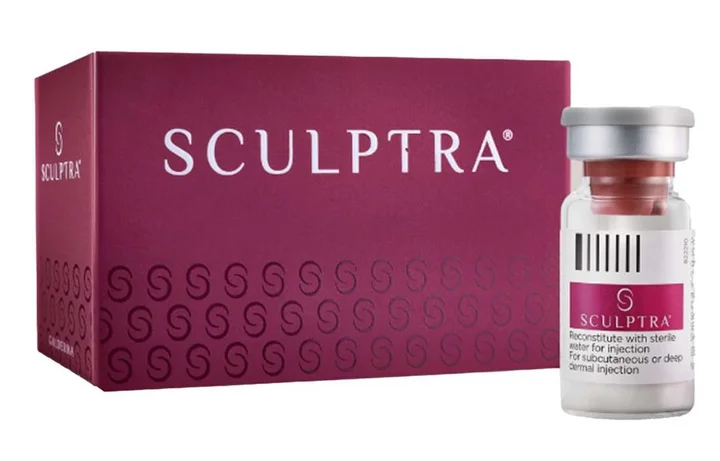
HA filler is best for localized volume in a discrete zone. Consider Sculptra (PLLA collagen biostimulator) when the volume loss is diffuse across the midface and you prefer 2-3 years per series rather than annual top-ups; Sculptra works on a different mechanism — your own collagen — and is not a substitute when you need immediate same-day volume. Consider surgical referral (midface lift, fat grafting, or eyelid surgery) when you have advanced soft-tissue descent, severe tear-trough deformity, or when you have been on filler for 10+ years and stretch is now contributing to the appearance you are trying to fix. Consider JUVELOOK or Rejuran when your concern is skin quality (texture, fine lines, crepiness) — not volume. Dr. Yun will tell you when filler is not the right tool, even though we offer it.

Notice

Tell the dermatologist at consultation if any of the following apply.

  • Pregnancy or breastfeeding — standard precaution shared by all manufacturer labels (no controlled safety data)
  • Active skin infection, cold sore (HSV — herpes simplex virus reactivation risk), or inflammatory acne lesion at the injection site
  • Recent routine dental cleaning within 2 weeks at the injection zone — or major dental work (implants, root canal, periodontal surgery, multiple extractions) within 4 weeks — bacteremia risk seeding a late nodule
  • Known hypersensitivity to hyaluronic acid, lidocaine, or gram-positive bacterial protein (BDDE crosslinker residual)
  • Recent vaccination within 2 weeks (any systemic vaccine) — pre-procedural wait. Note: for patients with existing filler, vaccination or viral illness at any point can trigger delayed inflammatory reactions (DIR)
  • Active autoimmune flare (lupus flare, active rheumatoid synovitis, recently-treated Hashimoto's flare) — defer until stable ≥ 3 months. Well-controlled stable autoimmune disease is not an absolute contraindication
  • Bleeding disorder or therapeutic anticoagulation requiring continuous use — discuss with prescribing physician before deferring
  • Body dysmorphic disorder features, filler dependence patterns, or single-session full-face requests — we may recommend against treatment when filler will not resolve the underlying concern; this is a clinical judgment offered respectfully

For your visit

  • Single Seoul trip = one session. Recommended schedule: arrival day 1, consultation + injection day 2 or 3, review and photo day 4-5 before flying. Avoid same-day injection on arrival — jet lag and dehydration worsen swelling and bruising.
  • Downtime: most patients return to sightseeing the next day. Lip and tear-trough work may bruise for 5-10 days — concealable with mineral makeup after 48 hours. Plan important social events for 2 weeks after injection.
  • Flight timing: short flights are fine 24 hours after injection. Long-haul economy flights immediately post-injection increase facial swelling — prefer 48 hours minimum before flying.
  • Lifetime cost framing — itemized per-syringe quote at consultation. Realistic 10-year cumulative cost is reviewed before your first injection so you choose a strategy, not a syringe. Sculptra (PLLA) or surgical alternatives may be discussed for advanced needs.
  • International patient comfort: private treatment rooms · female-only treatment team available on request · hijab-respecting protocols (hijab remains in place for lip/lower-face zones) · Ramadan-friendly scheduling (post-iftar appointments) · family / caregiver accommodation. Pre-trip messenger consultation in Korean / English / Japanese / Mandarin Chinese / Vietnamese / Thai / Arabic via KakaoTalk / LINE / Zalo / WhatsApp / WeChat.
  • Written handover spec — brand, lot number, expiry, zone, volume injected, instrument used (cannula gauge or needle), Dr. Yun's signature, and clinic stamp. Designed for direct submission to your home dermatologist if a late-onset nodule develops.
  • Video follow-up for international patients — 1-week and 4-week check-ins available in your language via messenger. Critical for late-onset complication detection while you are back home, far from the injecting clinic.
  • Pricing: itemized quote during consultation after dermatologist assessment. Pricing displayed in KRW with USD / JPY / SGD estimate provided. No hidden fees. Pre-trip range estimate available — send your concern photo via KakaoTalk / LINE / Zalo before booking flights.
07

References

The clinical claims on this page — device specs, efficacy timelines, safety profile — are supported by the primary sources below. Each citation links to the original paper or regulatory record.

  1. [1]Biophysical characteristics of hyaluronic acid soft-tissue fillers. Dermatol Surg (Sundaram) (2013).
  2. [2]Rheology and physicochemical properties of HA dermal fillers. Int J Mol Sci (Fundarò) (2022).
  3. [3]Comparative physical properties of 10 HA dermal fillers. Dermatol Surg (Kablik) (2009).
  4. [4]BDDE crosslinking metabolism and safety profile of HA fillers. Dermatol Surg (De Boulle) (2013).
  5. [5]Cohesive polydensified matrix (CPM) HA filler characterization. Plast Reconstr Surg (Sundaram) (2015).
  6. [6]Hyaluronidase response across 12 commercial HA fillers in vitro. J Plast Reconstr Aesthet Surg (Ryu) (2020).
  7. [7]In-vivo hyaluronidase response by HA filler type. J Plast Reconstr Aesthet Surg (Zhang-Nunes) (2020).
  8. [8]Voluma cheek 2-year persistence pivotal study. Dermatol Surg (Jones) (2013).
  9. [9]Voluma zone subanalysis — cheek vs submalar persistence. Dermatol Surg (Glaser) (2015).
  10. [10]Volbella infraorbital and lip 1-year efficacy and safety. Dermatol Surg (Geronemus) (2017).
  11. [11]Crosslinked HA stimulates dermal collagen neogenesis. Arch Dermatol (Wang) (2007).
  12. [12]MRI evaluation of HA persistence at 12 months postinjection. Dermatology (Becker) (2015).
  13. [13]Korean YYS HA filler prospective postmarketing safety, 1,022 subjects. Dermatol Surg (Park YYS) (2024).
  14. [14]Update on avoiding and treating blindness from filler — 48 new cases. Aesthet Surg J (Beleznay blindness) (2019).
  15. [15]Vascular complications of facial filler injection — Asian cohort. Aesthet Plast Surg (Kapoor) (2019).
  16. [16]Upper-facial ICA-ECA anastomoses — 3D CTA filler safety basis. Aesthet Surg J (Li / Cotofana) (2022).
  17. [17]Aspiration before tissue filler — exercise in futility analysis. Aesthet Surg J (Goodman aspiration) (2021).
  18. [18]Aspiration sensitivity in dermal filler injection (33% at 1 sec). J Cosmet Dermatol (Van Loghem) (2018).
  19. [19]Global Aesthetics Consensus on HA filler use and safety. Plast Reconstr Surg (Global Consensus) (2016).
  20. [20]AAO 2025 review — 198 cases of filler-related vision loss. Ophthalmology (AAO vision-loss) (2025).
  21. [21]Late-onset filler nodules — VYCROSS pattern and management. J Clin Aesthet Dermatol (Wong / Sclafani) (2021).
  22. [22]Filler complications and BDD screening — current standard of care. Aesthet Plast Surg (BDD screening) (2024).
Reviewed byDr. SangYoul Yun· Board-Certified Dermatologist (Korean Ministry of Health and Welfare) · AAD International Fellow (IFAAD — International Fellow of the American Academy of Dermatology, the world's largest dermatology society) · ASLMS Member (American Society for Laser Medicine and Surgery) · Former Director of Banobagi Dermatology · Clinic registered as Authorized Medical Institution for International Patients (KHIDI 357-15-02460 — Korea Health Industry Development Institute)· Last reviewed 2026-05-16

Related procedures

Notice: Individual results may vary depending on skin condition, treatment history, and recovery factors. All treatment plans are determined through individual consultation with a board-certified dermatologist. The information on this page is for reference only and does not constitute medical advice or guarantee specific outcomes.

Next Step

You can start with a short message before deciding on HA Filler.

Even a short first message can help you check suitability, timing, and what to compare next before you book.

Gangnam, Seoul

Personalized dermatology care in Gangnam for local and overseas patients.

Delight Dermatology Clinic focuses on doctor-led consultation, warm service, and personalized treatment planning.

Walking videos

Nonhyeon · Exit 4
Sinnonhyeon · Exit 2
Clinic

Delight Dermatology Clinic

4th Floor, Building B, 509 Gangnam-daero

Seocho-gu, Seoul, South Korea

Parking is available in the building.

02-517-9991

Mon - Fri: 10:00 - 20:00

Lunch break: 13:00 - 14:00

Saturday: 10:00 - 17:00

Sunday and public holidays: Closed

Location

Gangnam · Seocho-gu, Seoul

Find directions

Clinic Name: 딜라이트피부과의원Representative: 윤상열Tel. 02-517-9991Business Registration No.: 357-15-02460Privacy PolicyTerms of Use
Registered Foreign Patient Medical Institution
Officially registered by the Ministry of Health and Welfare of the Republic of Korea (Reg. No. M-2024-01-08-8248) · 외국인환자 유치의료기관

Medical information on this site is for reference only and does not constitute medical advice. Individual results may vary. Consult a board-certified dermatologist for diagnosis and treatment planning.