
Laser Dermatology
Pico Laser in Seoul
Melasma, Freckles & Tattoo Pigment Removal
Board-Certified Dermatologist
Dr. SangYoul Yun
AAD International Fellow
IFAAD
- Duration
- 10-15 min (face); 20-30 min (tattoo)
- Sessions
- 5-10 typical; melasma 4-8 / 2-4 wk; tattoo 6-10+ / 6-8 wk
- Downtime
- None for toning; 5-7 days microcrusts for ablative


Pico Laser Treatment in Seoul
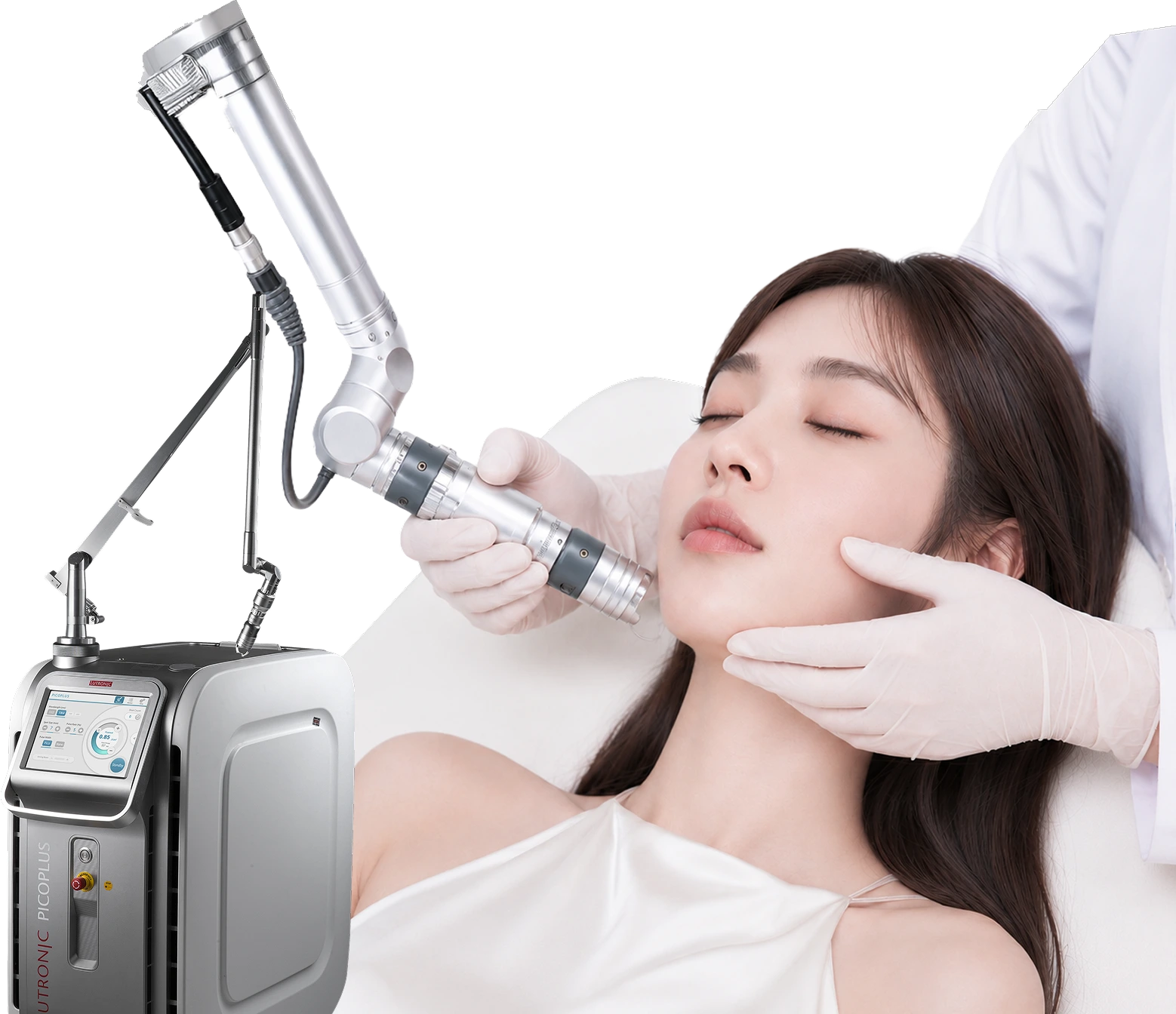
Picosecond laser in Seoul by a board-certified dermatologist for melasma, freckles, sun spots, post-acne pigmentation, and tattoo removal.
- Duration
- 10–15 min (face) / 20–30 min (tattoo)
- Sessions
- 5–10 typical; melasma 4–8, tattoo 6–10+
- Downtime
- None (toning) / 5–7 days microcrusts (ablative)
- Peak Result
- 3–6 months across course
Results Over Time
A picosecond laser shatters pigment into fine particles the body clears, with conservative low-fluence toning protocols for melasma to avoid rebound.
 01
01Immediately post (toning)
Mild redness for 30 min to a few hours. No wound for toning; makeup possible the next day.
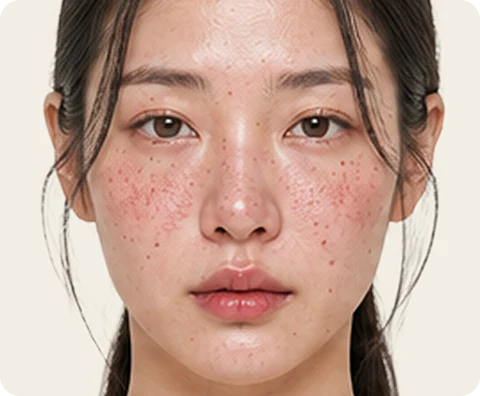 02
02Immediately post (ablative)
Pin-point microcrusts begin forming on freckles/tattoo; surrounding redness may persist 24–48 hours.
 03
031 week
Ablative microcrusts flake off over 5–7 days. Toning shows no visible change yet. The effect is cumulative.
 04
041 month
Initial fade on superficial pigmentation (freckles, sun spots). Melasma requires multiple sessions first.
 05
053 months (mid-course)
Cumulative pigment clearance becomes apparent for melasma; tattoo pigment continues breaking down.
 06
066 months
Most pigment programs plateau. Maintenance toning every 4–8 weeks supports long-term tone control.
Images are AI-generated for illustrative purposes only.
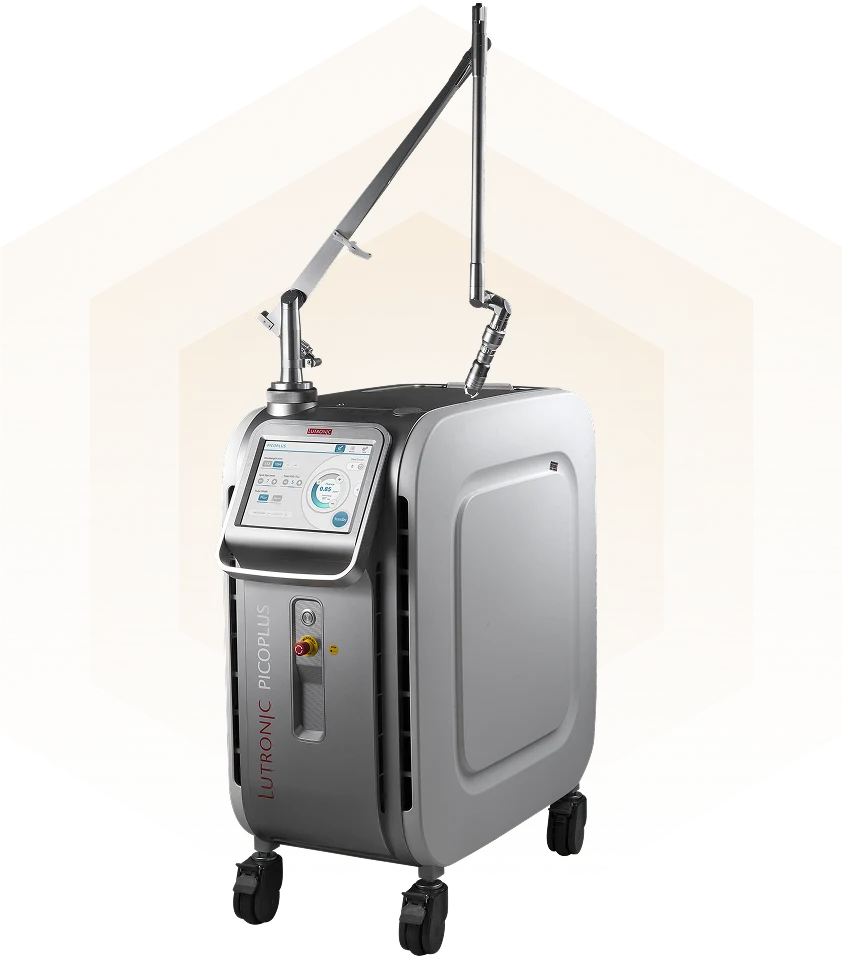
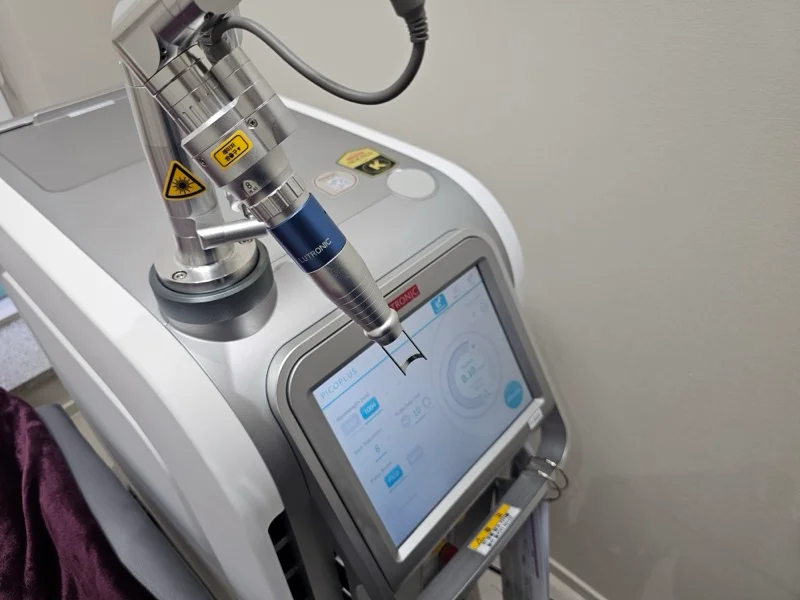
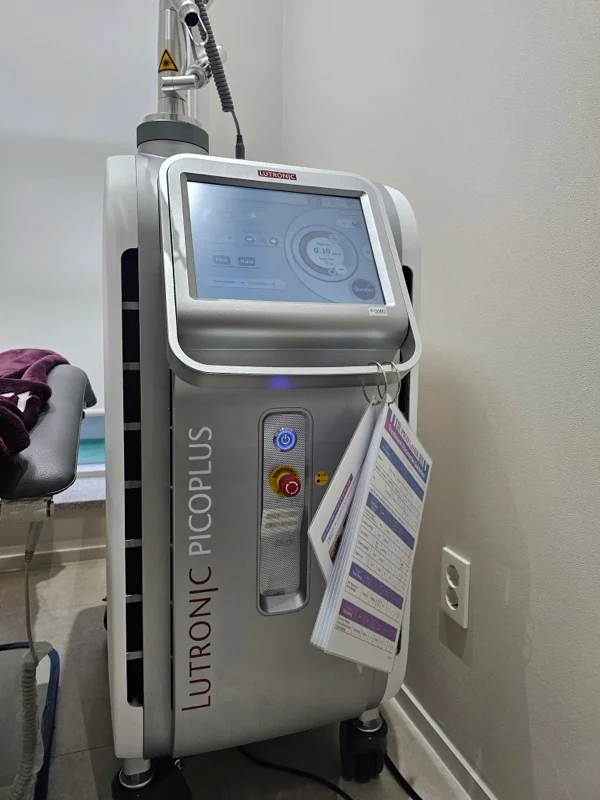
Pico Laser Device
A picosecond laser delivering ultra-short pulses that shatter pigment photoacoustically, matched to pigment type and skin tone rather than one-size-fits-all.
Photomechanical Shockwaves
Energy converts into photoacoustic shockwaves rather than heat, fracturing melanin with less thermal injury, safer for darker skin.
Multi-Wavelength
532 nm for superficial pigment, 1064 nm for melasma and dermal pigment, plus 660 / 595 nm for tattoo and ABNOM.
Conservative Protocols
Low-fluence fractional toning over multiple sessions to avoid melasma rebound, with device and settings matched to pigment type.
Treatment Process
 01
01Consultation
Clarifies whether a Pico laser is the right device, or whether a different laser, topical, or combination fits your pigmentation type.
 02
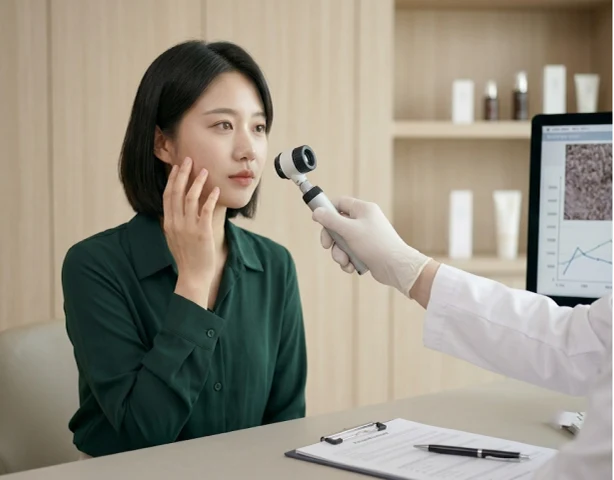
02Skin Analysis
Skin tone, pigmentation depth (epidermal vs dermal), and prior laser history are reviewed before settings are chosen.
 03
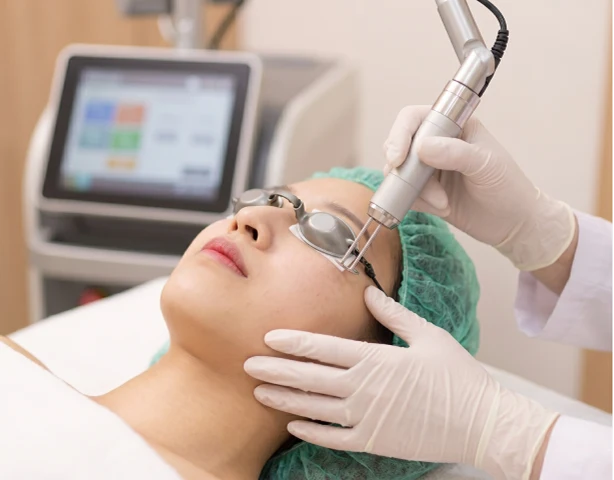
03Pico Laser Treatment
For melasma, conservative fractional toning settings are used over multiple sessions rather than aggressive single-visit treatment.
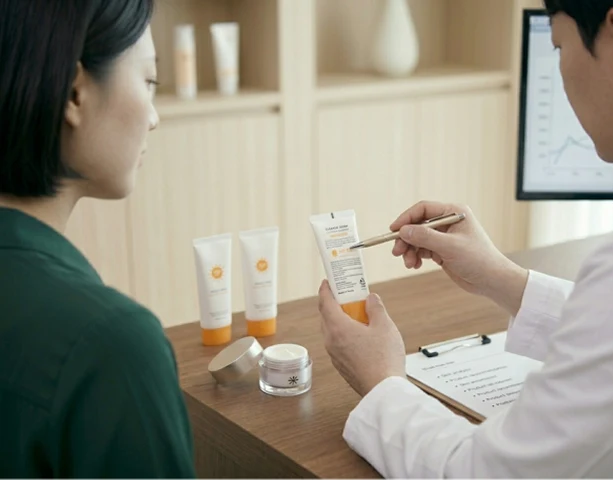 04
04Recovery
Post-treatment sun protection, skincare, and the expected timeline are explained in detail before the session.
Treatment Results
Clinical photographs. Individual results vary with skin condition, age, and treatment plan.
Recovery & Care
First 24 hours
Toning: avoid hot showers, saunas, vigorous exercise. Ablative: apply the prescribed soothing balm; do not pick crusts.
Days 1–7 (ablative)
Microcrusts flake off over 5–7 days. Do NOT pick or peel. Premature removal increases PIH risk. Gentle cleanse; SPF 50+ daily.
Weeks 2–4
Strict sun protection (SPF 50+, hat, shade). Avoid retinoids and acids until full re-epithelialization.
Long-term (melasma)
Daily SPF, vitamin C / niacinamide topicals, and maintenance toning every 4–8 weeks if melasma-prone.
Frequently Asked Questions
Q.Does Pico laser remove all pigmentation in one visit?
No. Stamp-like freckles and small lentigines may fade significantly after 1–2 sessions, but melasma, ABNOM, and Hori's nevus typically require 4–8 sessions spaced weeks apart for gradual, safe improvement. Single-visit 'complete removal' claims are inconsistent with how pigment biology actually works.
Q.Is Pico laser always better than Q-switched or IPL for pigmentation?
Not automatically. Picosecond lasers deliver energy in much shorter pulses (trillionths of a second), which creates more photoacoustic shattering of pigment and less thermal damage, a theoretical advantage. But for superficial pigmentation, long-pulse and Q-switched devices often work equally well at lower cost. The correct device depends on your pigment type and skin tone, not marketing.
Q.Can Pico laser make melasma worse?
Yes, if the settings are wrong. Melasma is notoriously prone to rebound after laser treatment, especially with aggressive fluence on Fitzpatrick III–IV skin. Conservative low-fluence fractional toning protocols are the current standard, and combining with oral or topical tranexamic acid improves outcomes. This is why specialist evaluation matters before any pigment laser on Asian skin.
Q.How does Pico laser treat tattoos differently than older lasers?
Picosecond lasers produce shorter, more intense pulses than Q-switched lasers, which more efficiently shatter tattoo pigment into smaller particles that the body can clear. Clinical data suggests fewer sessions are typically needed, particularly for difficult colors like green and blue. Old, faded black tattoos respond well; fresh, saturated tattoos still require 6–10+ sessions spaced 6–8 weeks apart.
Q.What is the downtime and recovery like?
For toning-level treatment: minimal; mild redness for 30 minutes to a few hours, you can wear makeup the next day. For fractional or ablative settings on freckles or tattoo: crusting for 5–10 days, scabs fall off naturally, followed by 2–4 weeks of pink new skin. Strict sun protection is required for at least 4 weeks after any pigment laser.
Q.How long is a Pico laser session, and is anesthesia needed?
An individual Pico laser pass typically takes about 10-15 minutes. Topical numbing cream is generally not required for standard toning-level treatment, although the dermatologist may apply it for more aggressive ablative settings on freckles or tattoo work depending on patient comfort.
Q.How many Pico laser sessions are typically planned overall?
Most pigment-focused programs are planned around 5-10 sessions in total, with exact spacing and count adjusted to pigment type; for example, melasma protocols typically run 4-8 sessions and saturated tattoos can require 6-10+ sessions, while small superficial freckles may fade significantly in 1-2 sessions.
References1
The clinical claims on this page (device specs, efficacy timelines, safety profile) are supported by the primary sources below. Each citation links to the original paper or regulatory record.
- [1]A Systematic Review of Picosecond Laser in Dermatology: Evidence and Recommendations. Lasers Surg Med (Wu DC et al.) (2021).
Notice
- Active skin infection or open wound in the treatment area
- Pregnancy or lactation (relative: elective laser deferred)
- Recent isotretinoin use within 1 month per 2017 ASDS consensus for non-ablative laser (PicoPlus is non-ablative); 6-month wait remains only for fully ablative resurfacing
- Active herpes simplex in the treatment zone (requires antiviral prophylaxis before treatment)
- Photosensitizing medication use (review with dermatologist before treatment)
- Recent tan or sun exposure within 4 weeks on the treatment area (increased PIH risk)
Session summary & comparison
| Item | Details |
|---|---|
| Duration | 10-15 min (face); 20-30 min (tattoo) |
| Sessions | 5-10 typical; melasma 4-8 / 2-4 wk; tattoo 6-10+ / 6-8 wk |
| Downtime | None for toning; 5-7 days microcrusts for ablative |
| Peak result | 3-6 months across course |
Related procedures
Evidence & comparison guides
Need another answer before deciding?
You do not need to read every guide. Open the question that still matters to your decision.
Optional decision guides
- Interactive routeFit a dermatologist visit into your itineraryCompare a day trip, overnight visit, or longer stay by travel buffer and typical visible recovery.Open the trip planner →
- Comparison guideSummer Dermatology in Seoul | Which Lasers Are Safe June–AugustWhich lasers are safe in Seoul June–August: Pico toning, Hollywood Spectra, GentleMax, fractional. PIH risk in FST IV–VI plus a traveler flowchart.
Clinic articles
- Clinic articleDoes Frequent Laser Toning Thin the Skin? A Dermatologist AnswersA common worry: does regular laser toning thin the skin? A Seoul dermatologist explains why low-fluence 1064 nm toning targets the dermis and rebuilds collagen.
- Clinic articleMelasma Got Darker After Laser? Why It Happens & What WorksAggressive lasers can make melasma darker. A Seoul dermatologist explains why (pigment dropout, PIH) and the gentle, multimodal approach that works.
Notice: Individual results may vary depending on skin condition, treatment history, and recovery factors. All treatment plans are determined through individual consultation with a board-certified dermatologist. The information on this page is for reference only and does not constitute medical advice or guarantee specific outcomes.
Next Step