
Regenerative Skin Booster · Polynucleotide
Rejuran in Seoul: Sessions, Downtime & Pricing
Polynucleotide Skin Repair & Barrier Recovery
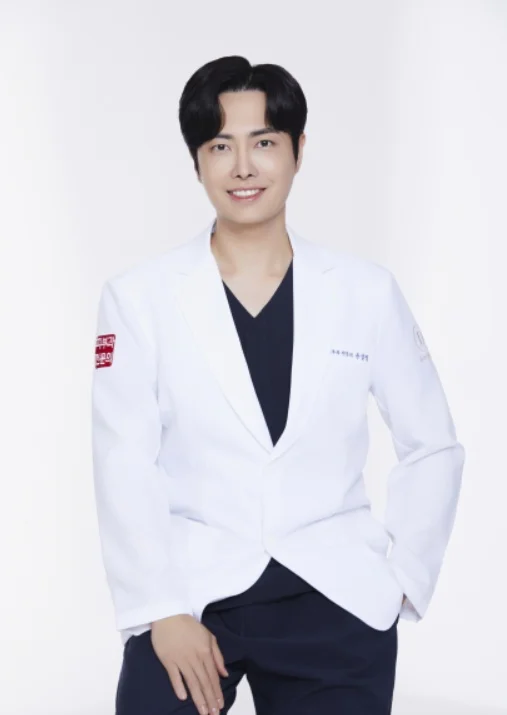
Board-Certified Dermatologist
Dr. SangYoul Yun
AAD International Fellow
IFAAD
- Duration
- 20-30 min (full face); 10-15 min (periorbital or lip)
- Sessions
- 3 induction (2-4 wk apart); maintenance 1 / 3-6 months
- Downtime
- 24-48 hours visible papules

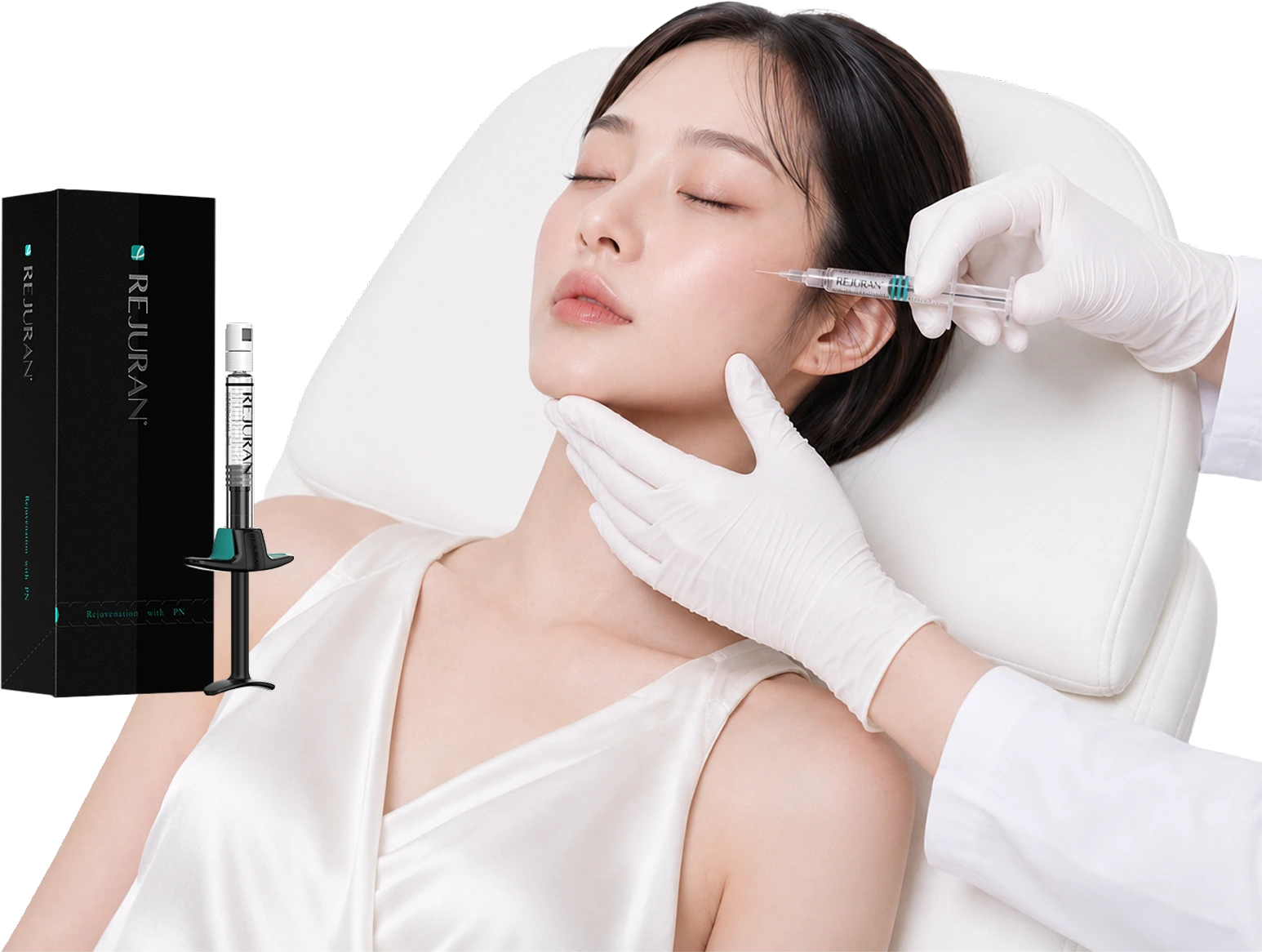
Rejuran Treatment in Seoul
Rejuran polynucleotide skin booster at Delight Dermatology in Gangnam, a regenerative injectable for skin texture, fine lines, and post-procedure recovery, with board-certified dermatologist consultation.
- Duration
- 20–30 min full face / 10–15 min periorbital or lip
- Sessions
- 3 induction (2–4 wk); maintenance 1 / 3–6 months
- Downtime
- 24–48 hours visible papules
- Peak Result
- Week 8–12 after full induction
Results Over Time
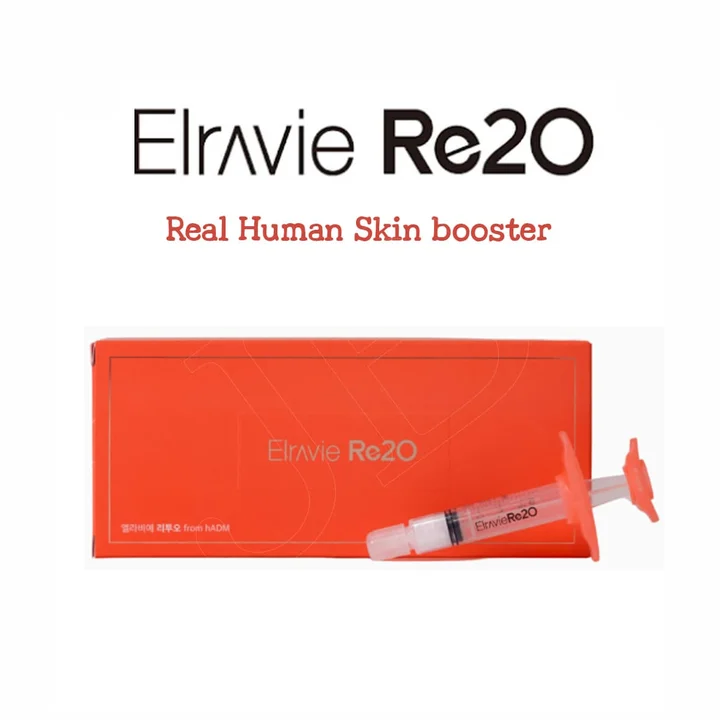
Rejuran is a regenerative skin booster for texture, fine lines, and barrier quality. The active ingredient is highly-purified polynucleotide (PN) from salmon DNA, made by Korea's PharmaResearch.
 01
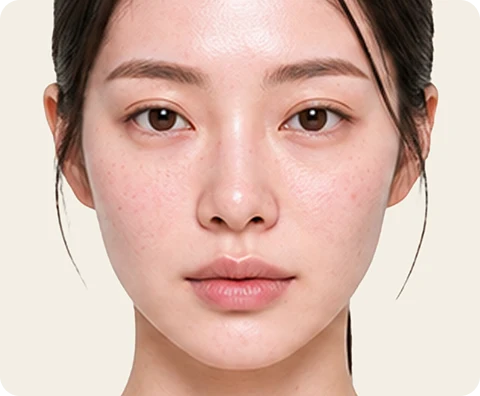
01During injection
Micro-injections are placed across the area. Topical anesthesia is usually applied to reduce discomfort.
 02
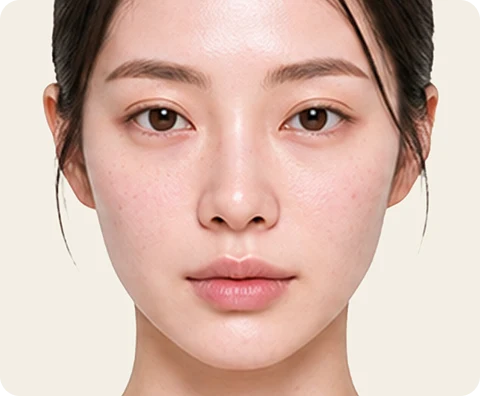
02Day 0
Visible papules at injection sites. Mild swelling and redness.
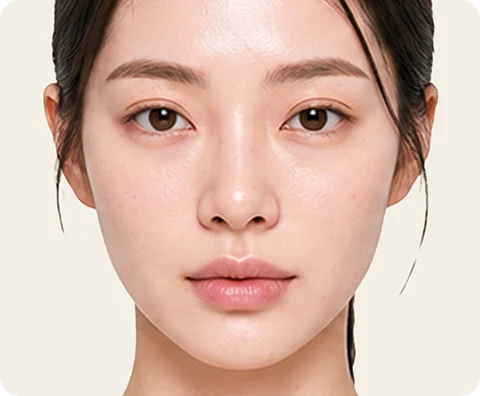 03
03Day 1–2
Papules flatten. Makeup is typically resumed on Day 2.
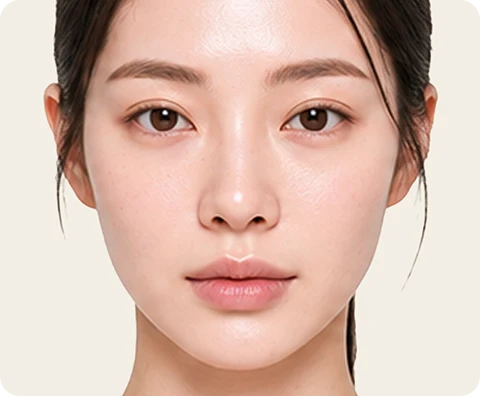 04
04Week 4 (sessions 1–2)
Texture and barrier improvement becomes visible.
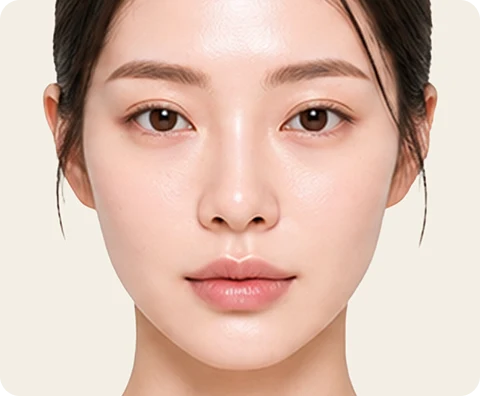 05
05Week 8–12 (full course)
Peak effect. Maintenance every 3–6 months is commonly recommended.
Images are AI-generated for illustrative purposes only.
Rejuran Polynucleotide
Rejuran (PharmaResearch) is a polynucleotide (PN) regenerative skin booster (an MFDS-approved Class IV device in Korea) that repairs skin quality rather than adding volume.
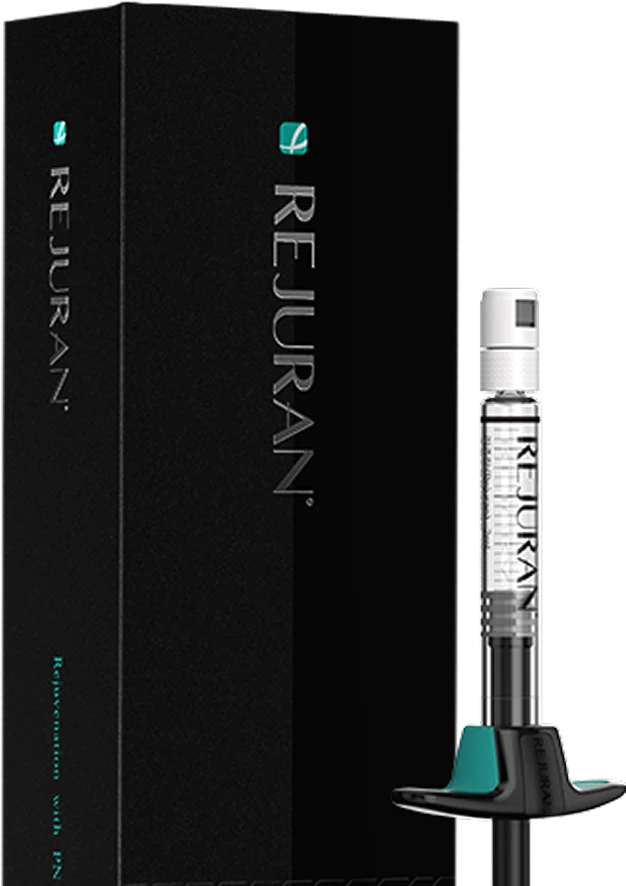
Polynucleotide (PN)
Highly-purified PN from salmon DNA stimulates regeneration, improving texture, elasticity, and barrier, without adding volume.
Variant Range
Healer (texture), HB / HB Plus (hydration + lidocaine), I (under-eye), and S (scar), matched to your concern.
Gentle Regeneration
Minimal pain and downtime versus laser; a regenerative rather than space-filling approach.
Treatment Process
 01
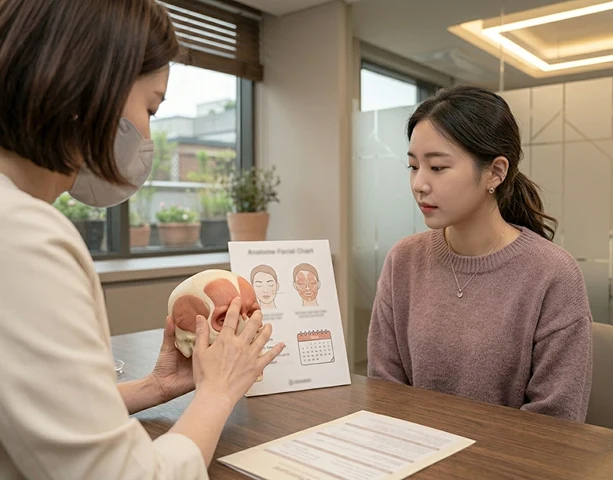
01Clinical Evaluation
The dermatologist evaluates the concern, depth of wrinkle/scar, and history, including known fish or salmon allergy.
 02
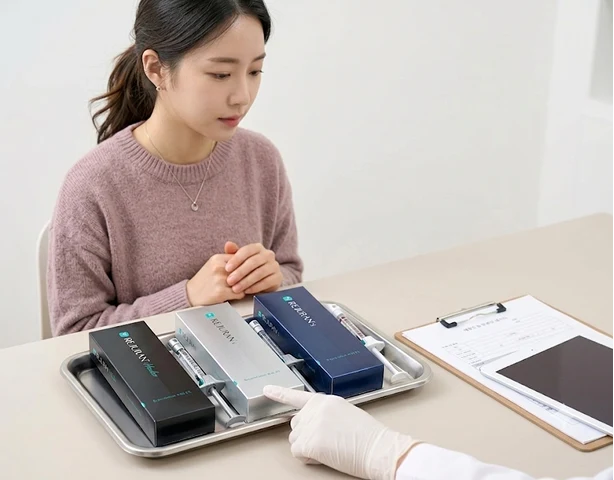
02Variant Selection
A Rejuran variant is selected: Healer (texture), HB (hydration hybrid), HB Plus (lidocaine, periorbital), I (under-eye), or S (scar).
 03
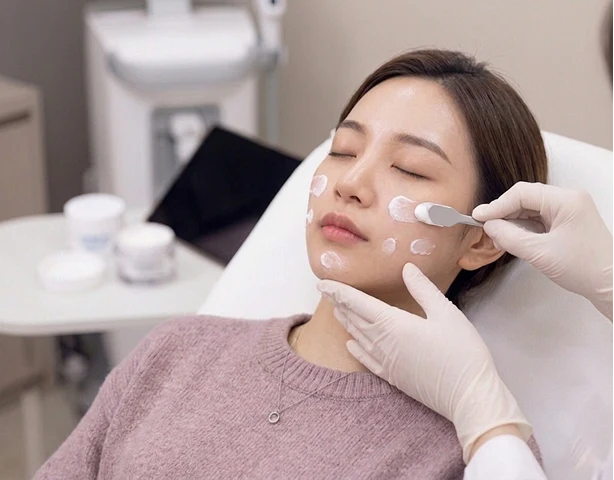
03Injection Planning
Topical anesthesia is applied; an intradermal microbolus plan is mapped (≤0.05 mL per point at 0.5–1 cm spacing).
 04
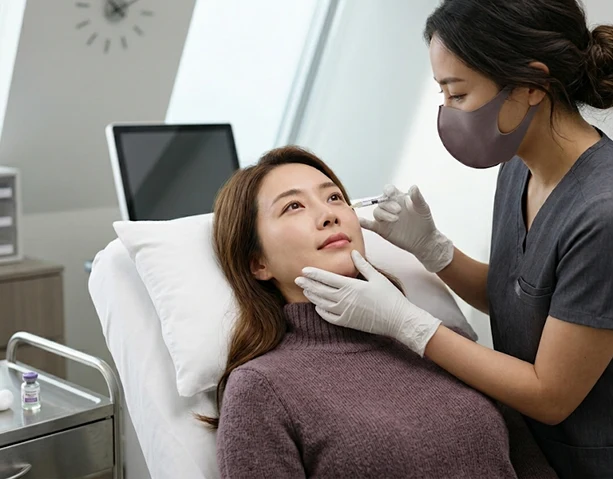
04Procedure
A session typically takes 20–30 minutes full face; periorbital or lip sessions are shorter. Induction = 3 sessions at 2–4 week intervals.
Treatment Results
Clinical photographs. Individual results vary with skin condition, age, and treatment plan.
Recovery & Care
First 24–48h
No touching, hot showers, saunas, or exercise. Papules are normal. Do not pick.
Day 3–7
Resume normal skincare. Avoid retinoids until skin settles. SPF 50+.
Week 2–4
Strict sun protection. Schedule the next session.
Long-term
Daily SPF 50+. Discuss combination protocols with your dermatologist.
Frequently Asked Questions
Q.Is Rejuran FDA-approved?
Rejuran: Regulatory status must be verified for the exact model and jurisdiction against an authoritative primary record.
Q.How is Rejuran different from JUVELOOK, Sculptra, or HA fillers?
All four work on different layers and pathways. Rejuran (polynucleotide / PN) is a regenerative biostimulator (adenosine A2A receptor signaling + nucleotide salvage) that improves skin quality without adding volume. JUVELOOK (PDLLA + HA hybrid) and Sculptra (PLLA) stimulate fibroblast-driven collagen over months for structural support. HA fillers add immediate volume via space-occupying gel. Korean clinical practice routinely combines them at different sessions or depths for layered effect; selection depends on whether the concern is texture (Rejuran), structure (PDLLA/PLLA), or volume (HA).
Q.How many sessions and how soon will I see results?
Standard induction is 3 sessions at 2-4 week intervals. Skin texture changes typically become visible between session 2 and 3, with continued improvement 4-8 weeks after the last session. Maintenance is commonly cited at every 3-6 months but is not standardized in published trials.
Q.Does Rejuran completely remove acne scars?
No. The strongest available Rejuran-specific acne-scar evidence (Araco 2021 RCT) demonstrated significant improvement on Antera 3D imaging at 1 and 3 months versus placebo, but the trial was small and explicitly preliminary. Rejuran is best understood as an adjunct to fractional CO2 laser, subcision, or TCA CROSS, not as monotherapy for moderate-to-severe scarring.
Q.Is the procedure painful?
Yes, intradermal microbolus injection is genuinely uncomfortable. Topical anesthetic is standard. The HB Plus formulation includes lidocaine to reduce pain, which is why it is preferred for periorbital and full-face protocols. Honest framing: published Rejuran trials report transient injection-site pain in 90%+ of patients, with mild and short-lived swelling and erythema.
References5
The clinical claims on this page (device specs, efficacy timelines, safety profile) are supported by the primary sources below. Each citation links to the original paper or regulatory record.
- [1]Polynucleotides in Esthetic Medicine: A Systematic Review. J Cosmet Dermatol (Lampridou et al.): systematic review, 9 studies, N=219 (2024).
- [2]Randomized Split-Face: Polycaprolactone vs Polynucleotide for Crow's Feet. J Cosmet Dermatol (Jeong et al.): split-face RCT N=30, 12-week comparable efficacy (2019).
- [3]Highly Purified Polynucleotide vs Placebo for Atrophic Acne Scars. Aesthet Surg J (Araco & Araco): double-blind RCT N=20 (2021).
- [4]Expert Perspectives on Polynucleotides in Aesthetic Medicine. Clin Cosmet Investig Dermatol (Rho et al.): expert panel review (PharmaResearch co-authors) (2026).
- [5]Polydeoxyribonucleotide as a Wound-Healing Platform. Pharmaceuticals (Galeano et al.): 25-year pharmacology review (2021).
Notice
- Active skin infection or inflammation at injection site
- Known hypersensitivity to polynucleotide or salmon-derived products
- Active autoimmune connective tissue disease (relative, requires dermatologist review)
- Active bleeding diathesis or recent anticoagulant use without physician clearance
- Pregnancy or lactation (no efficacy/safety data, so elective procedure deferred)
- Recent (within 4 weeks) injection of permanent filler in the same area (relative)
- Keloid-prone patients in atrophic-scar protocols (relative)
Session summary & comparison
| Item | Details |
|---|---|
| Treatment time | about 20-30 minutes |
| Pain & comfort | Intradermal micro-injections are genuinely uncomfortable; topical anaesthetic is standard, and the HB Plus formulation contains lidocaine to reduce pain |
| Downtime | Minimal: mild bumps and minor bruising settle within 24-48 hours |
| Course & onset | Standard induction is 3 sessions 2-4 weeks apart; texture change is usually visible between the second and third session, fullest about 1 month after the course |
| Maintenance | Roughly every 3-6 months, based on how your skin responds |
Related procedures

Evidence & comparison guides
Need another answer before deciding?
You do not need to read every guide. Open the question that still matters to your decision.
Optional decision guides
- Interactive routeFit a dermatologist visit into your itineraryCompare a day trip, overnight visit, or longer stay by travel buffer and typical visible recovery.Open the trip planner →
- Comparison guideSculptra vs Skin Boosters Seoul | Evidence-Based GuideCompare Sculptra with Rejuran PN, Skinvive and Profhilo by treatment goal, published evidence, U.S. FDA status and practical questions to ask in Seoul.
- Comparison guideDermatology Downtime Guide Seoul | Recovery TimelinesRecovery timelines for Ultherapy, Thermage, fillers, lasers, and more in Seoul. Published clinical data, combination spacing, and flight-timing advice.
Clinic articles
- Clinic articleIs Rejuran PN or PDRN? Evidence, FDA Status & Seoul GuideIs Rejuran FDA approved? Our 2026 search found no U.S. FDA authorization. What PN vs PDRN means, the published evidence, risks, and what to ask in Seoul.
- Clinic articleSculptra Master, Thermage TTT & Rejuran VIP CertificationsOur board-certified dermatologist holds top-tier Sculptra, Thermage FLX, and Rejuran certifications, awarded only to clinics with proven clinical experience.
- Clinic articleWhy Hand Technique Decides Your Injectable Outcome (2026 Review)Why hand technique decides your injectable outcome: a 2026 dermatologist's evidence review of cannula vs. needle, dose-response, and intradermal placement.
Notice: Individual results may vary depending on skin condition, treatment history, and recovery factors. All treatment plans are determined through individual consultation with a board-certified dermatologist. The information on this page is for reference only and does not constitute medical advice or guarantee specific outcomes.
Next Step