Acne Type Diagnosis Guide
Acne is not one condition. It is four overlapping conditions that respond to different treatments. The first part of a consultation classifies which type is dominant before any treatment is selected.
Comedonal acne (blackheads and whiteheads)
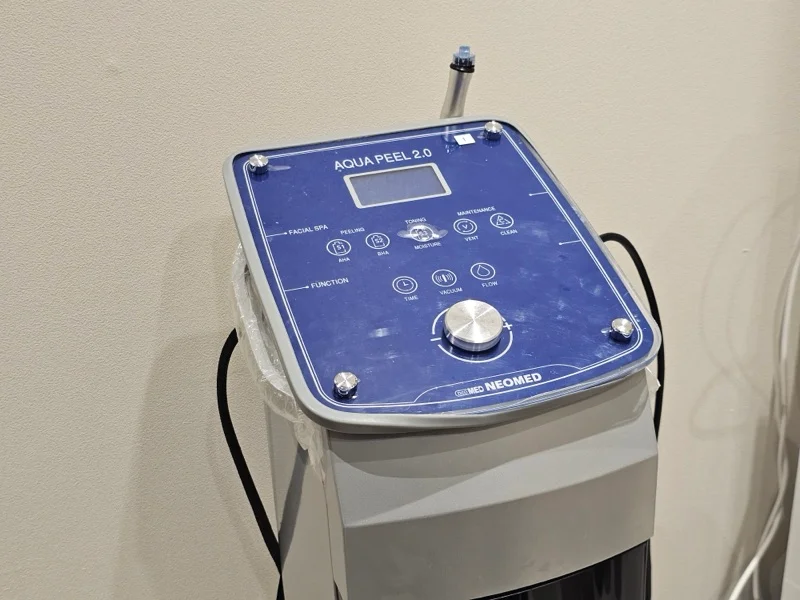
Non-inflamed clogged pores. Small dark dots are open comedones. Skin-colored bumps are closed comedones. Most relevant: medical extraction, Aqua Peel, Jessner's Peel. Realistic expectation: visible improvement after one extraction visit. Full clearance usually requires a 4 to 6 session program.
Inflammatory acne (papules and pustules)
Red bumps and pus-filled spots driven by bacterial colonization and inflammation. Most relevant: Gold PTT, acne injection for stubborn lesions, Jessner's Peel. Realistic expectation: a single visit can calm individual lesions. Reliable remission typically needs 6 to 12 weeks of layered care.
Cystic and nodular acne
Deep, painful, non-fluctuant lesions that often scar. Most relevant: dermatologist evaluation for systemic therapy, intralesional acne injection, scar-prevention planning. Systemic therapy may include oral antibiotics or isotretinoin where appropriate. Realistic expectation: cystic acne is a longer program of 3 to 6 months. Aggressive in-clinic-only treatment without systemic support frequently underperforms.
Hormonal acne
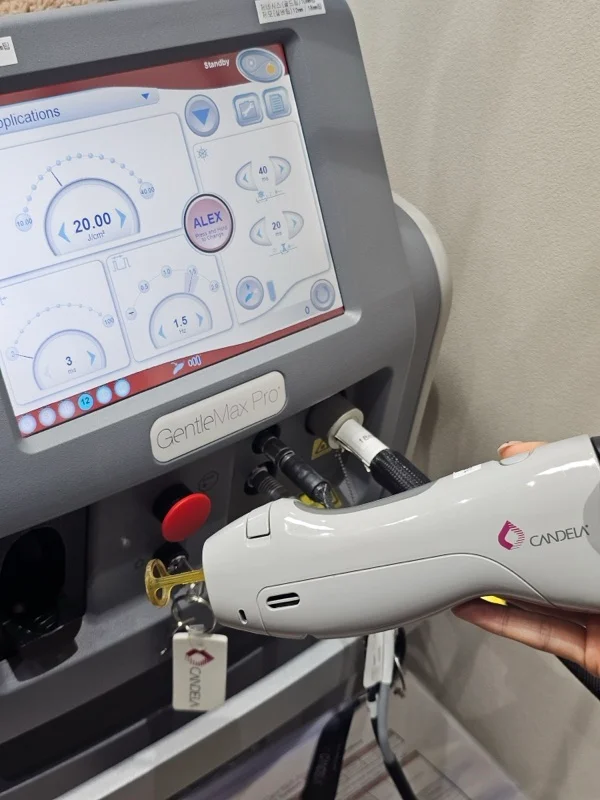
Lower-face, jawline, and chin pattern. Often cyclical with menstruation. More common in women in their 20s and 30s. Most relevant: dermatologist consultation for hormonal-axis review, GentleMax Pro for laser support, Jessner's Peel for pigment marks. Realistic expectation: surface-only treatment without addressing the hormonal driver gives short-lived results.
Acne Treatment Comparison Table
Each modality targets a different acne mechanism. The comparison below summarizes downtime, session length, and cadence so you can match a plan to your travel window.
| Treatment | Best For | Downtime | Session Time | Frequency |
|---|
| Jessner's Peel | Acne and pigmentation in one visit | 3 to 7 days (visible peeling) | 10 to 15 min | Weekly to every other month |
| Larapeel | Maintenance, no visible peeling | None | 10 to 15 min | 1 to 2 weeks (3 to 5 session course) |
| Aqua Peel | Comedonal acne maintenance | None | 30 to 40 min | Monthly |
| Gold PTT | Active inflammatory acne | None | 30 to 45 min | Weekly to bi-weekly (4 to 6 sessions) |
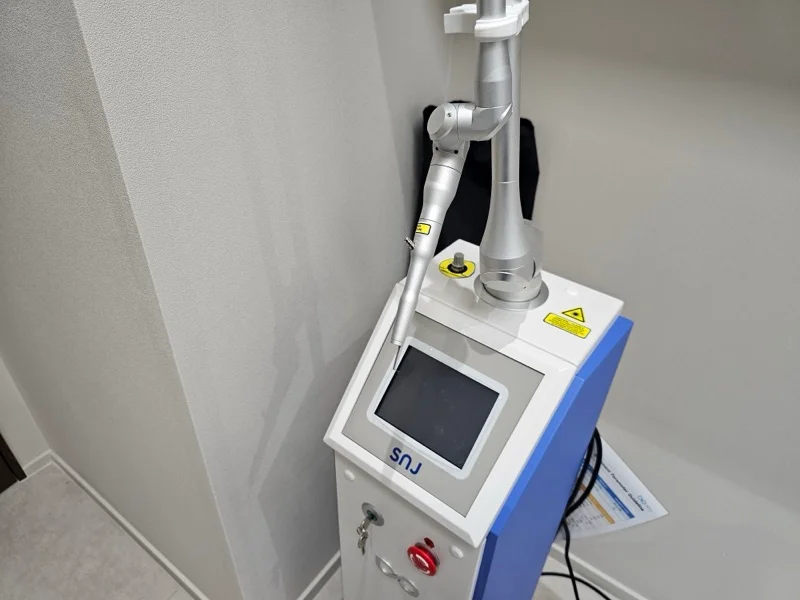
| Laser Genesis (GentleMax Pro) | Post-acne redness, texture | None | 30 to 45 min | Every 3 to 4 weeks (4 to 6 sessions) |
| Acne Injection | Stubborn cystic and nodular lesions | None | 5 to 10 min | As needed |
| Medical Extraction | Comedones and clogged pores | None | 20 to 30 min | Every 1 to 2 months |
Patients who prefer minimal visible peeling may consider Larapeel as a non-desquamating alternative. Jessner's Peel produces visible flaking. Larapeel does not.
Planning Acne Treatment Around Your Trip
Many international patients fly to Seoul for a few days and want to make the most of the visit. Here is what is realistic for each length of stay.
1 to 2 day stay
Realistic: medical extraction and acne injection only. These are immediate-recovery, no-downtime procedures. Both are safe before flying home the next day. Skip aggressive peels and lasers: both can produce visible redness or peeling that you will not want to manage on a long flight.
3 to 5 day stay
Realistic: extraction plus one peel (Jessner's or Aqua) plus Laser Genesis if relevant. The peel will be 3 to 5 days into its peeling cycle by the time you fly home. That window is manageable but plan for makeup-light travel. GentleMax Pro is also possible during this stay.
7 plus day stay
Realistic: a full starter program of extraction, peel, laser, and injection if needed. A 5 to 7 day re-assessment visit before departure lets the dermatologist evaluate response and adjust home care for the months following your trip.
What to avoid before flying
Aggressive medium-depth peels, fractional laser resurfacing, and any procedure with peeling that will be at peak intensity on travel day. Sun protection during the flight is also non-trivial. High-altitude UV exposure through cabin windows is real, and freshly treated skin is more vulnerable.