Medical Dermatology
Acne Treatment
Dermatologist-led acne treatment in Seoul targeting active breakouts, post-acne redness, and long-term skin stability in Gangnam.
International Patient Guide
How to find a board-certified, English-speaking dermatologist in Seoul. Credentials to verify, cost comparison, same-day booking, and what to expect.
Your Journey
How to find a board-certified, English-speaking dermatologist in Seoul. Credentials to verify, cost comparison, same-day booking, and what to expect.

Korean dermatologists complete one of the most rigorous training paths in the world β and understanding the system helps you evaluate clinics far more effectively than reading marketing copy.
Training pathway:
This means a board-certified Korean dermatologist (νΌλΆκ³Ό μ λ¬Έμ) has a minimum of 11 years of post-secondary medical training before opening a practice. According to the Korean Dermatological Association's September 2025 press conference, there are approximately 2,950 board-certified dermatologists in South Korea versus approximately 30,000 clinics advertising skin services β meaning only about 1 in 10 skin clinics is actually led by a specialist. Dermatology is one of the most competitive residency specialties β only top-ranking medical graduates are matched, comparable to the competitiveness of dermatology residency in the United States.
The broader context:
What to verify:
FAQ
Many do, particularly in the Gangnam, Sinsa, and Apgujeong areas that serve international patients. However, the level varies significantly β some doctors conduct full consultations in English, while others rely on coordinators or translators. Confirm the specific language support available when booking. Medical English requires more nuance than everyday conversation. Clinics with KHIDI-certified Medical Tourism Coordinators have demonstrated a formal commitment to international patient communication.
Look for the title 'board-certified dermatologist' (νΌλΆκ³Ό μ λ¬Έμ / 'pibu-gwa jeonmun-ui'), which requires 6 years of medical school, 1 year of internship, plus 4 years of dermatology residency at a university hospital β a minimum of 11 years of post-secondary training. The Korean Medical Association maintains a public registry. Dermatology is one of Korea's most competitive specialties, accepted only by top-ranking graduates. Reputable clinics display their doctor's credentials, training background, and professional memberships on their website.
Yes. Korean dermatology training is among the most rigorous globally, and Korea legally requires physicians (not nurses or technicians) to perform injectables and energy-based device treatments β stricter than the US, UK, and most EU countries. Korea ranks in the Bloomberg Health Efficiency Index top 5, and the government operates a dedicated foreign patient complaint helpline (1577-7129) through KHIDI. The key is choosing a board-certified dermatologist, not just any aesthetic clinic.
Pricing varies meaningfully by city, clinic tier, and specialist credentialing. Seoul, Singapore, Tokyo, and Bangkok each have distinct regulatory environments, specialist density, and per-clinic pricing models. The most reliable approach is to request written quotes from 2β3 clinics in your target city before deciding, and to verify board-certification of the treating physician (not just the clinic name). Be cautious of prices that seem unusually low β they may indicate fewer treatment units, less experienced operators, or hidden fees.
Many nationalities can enter Korea visa-free for 30β90 days, which is sufficient for most dermatology visits. For dedicated medical travel, the C-3-3 (Medical Tourism) visa covers stays up to 90 days and provides better documentation for any medical disputes. For extended treatment requiring longer stays, the G-1-10 (Medical Treatment) visa is available with documentation from a Korean medical institution. Check the Korea Immigration Service (visa.go.kr) for your country's specific requirements.
Related Procedures
If you need more detail about treatment approach, recovery, or suitability, continue into these procedure pages.

Medical Dermatology
Dermatologist-led acne treatment in Seoul targeting active breakouts, post-acne redness, and long-term skin stability in Gangnam.

Advanced Regenerative Care
Advanced acne scar treatment in Seoul combining staged laser and regenerative options by a board-certified dermatologist in Gangnam.

Pigmentation Care
Specialist-led melasma treatment in Korea for chronic pigmentation therapy, laser options, and recurrence management by a board-certified dermatologist.

Regenerative Skin Booster Β· Polynucleotide
Rejuran polynucleotide skin booster at Delight Dermatology in Gangnam Seoul β regenerative injectable for skin texture, fine lines, and post-procedure recovery. Board-certified dermatologist consultation.

Non-surgical Lifting
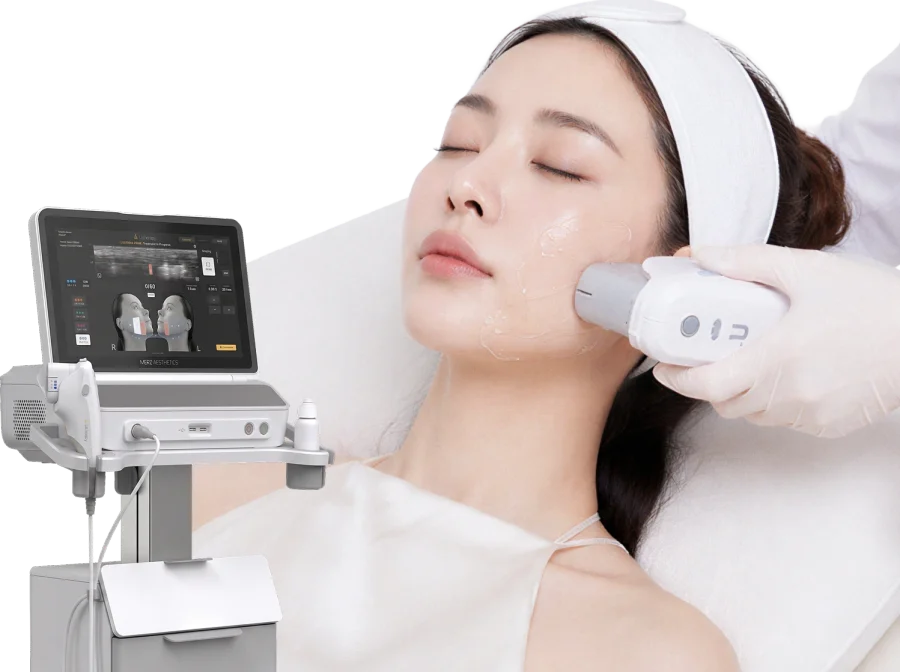
Ultherapy Prime in Gangnam by a board-certified dermatologist. FDA-cleared non-surgical lifting for jawline, neck, and brow β same-day treatment available.

Regenerative Dermatology
Stem cell regenerative treatment in Seoul for face, scalp, and IV therapy. Board-certified dermatologist-led skin quality and scar-care planning in Gangnam.

Single-Visit Multi-Modality
Spot Clear combines targeted laser treatment with adjunctive care to address sun spots, age spots, and uneven tone in one carefully sequenced visit. Designed for patients who want a clear, dermatologist-led plan rather than a generic same-day promo. Most treated lesions form a thin microcrust within 24 hours and flake off over the following 5β7 days, after which the brightening becomes visible.