Mon - Fri 10:00 - 20:00

Athermal acoustic ultrasound · Wellcomet CE-marked (NOT FDA-cleared) · Comfort and recovery adjunct — not a rosacea cure or replacement for topical metronidazole / ivermectin / azelaic acid

LDM (Local Dynamic Micromassage) in Seoul | Non-Thermal Ultrasound

LDM delivers non-thermal acoustic ultrasound at rapidly alternating dual (3 MHz and 10 MHz) or triple frequencies via a Wellcomet handpiece (Karlsruhe, Germany) — CE-marked under EU MDR (Notified Body BSI 2797), NOT FDA-cleared, with Korean MFDS approval inferred via the Wellcomet Asia Seoul subsidiary since 2010. The published evidence base is sparse — one independent Korean RCT in post-rhinoseptoplasty edema (Ahn 2023 PMID 37877460) plus two manufacturer-affiliated case series in cellulite and acne (Chervinskaya). No PubMed-indexed RCT specifically for rosacea, sensitive skin barrier, or post-laser recovery LDM exists. We use LDM as an athermal recovery and comfort adjunct, not as a rosacea cure or replacement for topical metronidazole, ivermectin, or azelaic acid.

LDM Ultrasound — Athermal acoustic ultrasound · Wellcomet CE-marked (NOT FDA-cleared) · Comfort and recovery adjunct — not a rosacea cure or replacement for topical metronidazole / ivermectin / azelaic acid
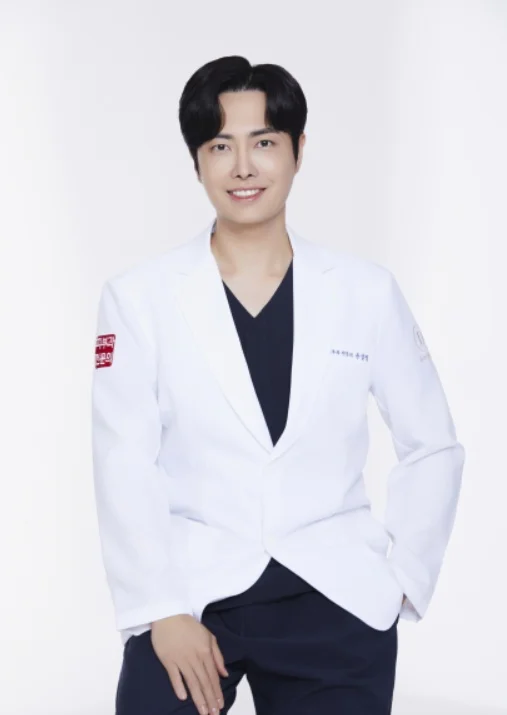
Dr. SangYoul Yun
Reviewed by Dr. SangYoul Yun
Board-certified Dermatologist · Chief Director · AAD Member
01

Overview

LDM (Local Dynamic Micromassage) at Delight Dermatology in Gangnam, performed under Dr. SangYoul Yun, Board-Certified Dermatologist (male). LDM uses a Wellcomet (Karlsruhe, Germany) handpiece that rapidly alternates between two or three ultrasound frequencies (3 MHz and 10 MHz for LDM-MED, or 1, 3, 10 MHz and 3, 10, 19 MHz on the LDM-Triple platform) to produce a non-thermal mechanical micromassage at the cellular scale. Honest framing — the device is CE-marked under EU MDR (Notified Body BSI 2797) and is NOT FDA-cleared (Wellcomet does not market the platform in the United States); Korean MFDS approval is inferred via the Wellcomet Asia Seoul subsidiary in operation since 2010 but operators should verify the medical device permit number at first appointment. Korean marketing names the device 수광 광선 ("Sugwang lightwave") or 독일 광선 ("German lightwave") — the "광선" (lightwave) terminology is technically incorrect because LDM is acoustic ultrasound, not light energy. We use LDM as an athermal comfort and recovery adjunct after laser, peel, or microneedling and as an in-office option for diffuse rosacea redness counseling, not as a standalone therapeutic primary. First-line rosacea management remains topical metronidazole, ivermectin, or azelaic acid plus brimonidine for transient erythema and PDL or IPL for persistent telangiectasia per Schaller 2020 ROSCO consensus.

Best for

  • Rosacea diffuse facial erythema and flushing — wanting an athermal adjunct that does not add thermal injury risk to already-reactive skin (LDM is an ADJUNCT to first-line topical metronidazole, ivermectin, or azelaic acid plus brimonidine and to PDL or IPL for persistent telangiectasia per Schaller 2020 ROSCO consensus — not a replacement)
  • Sensitive skin barrier maintenance for patients with reactive, easily-flushed, or post-procedure-fragile skin — wanting a low-stress in-office modality between laser or peel cycles (manufacturer hypothesis of hyaluronidase suppression and TEWL improvement is not confirmed by independent PubMed-indexed evidence and we frame accordingly)
  • Post-laser recovery adjunct — wanting an athermal modality the same day or 24-72 hours after fractional CO2, picosecond, or vascular laser, where the published evidence is extrapolated from post-rhinoseptoplasty edema (Ahn 2023 PMID 37877460) rather than a direct post-laser LDM RCT
  • Post-microneedling and post-RF-microneedling adjunct — wanting an in-office gentle modality to pair with the recovery window (no direct post-microneedling LDM RCT exists; we frame as comfort modality plus theoretical mechanical micromassage, not as proven downtime reduction)
  • Post-rhinoseptoplasty or post-cosmetic-surgery edema — the strongest published indication per Ahn 2023 (PMID 37877460), Korean ENT and plastic surgery RCT, with a Wellcomet co-author disclosure (we counsel patients on the manufacturer-affiliated nature of the evidence)
  • General skin glow and comfort-modality preference — patients wanting a relaxing in-office ultrasound session without thermal heat, anesthesia, downtime, or visible inflammation. Honest framing: this is a comfort modality with subjective patient-reported outcomes, not an evidence-based pigmentary, scar, or anti-aging treatment
  • International patients researching the "German lightwave" or 수광 광선 trend on Korean social media — wanting honest counsel that LDM is acoustic ultrasound (not light), is CE-marked (not FDA-cleared), and has a sparse manufacturer-affiliated evidence base

Suited for

  • Adults 만 19세 이상 (Korean legal age) — minors require parent or guardian co-consent. Most LDM patients are 25-65 across all FST
  • Post-procedure adjunct seekers — patients booking fractional CO2, picosecond, vascular laser, microneedling, RF-microneedling, or chemical peel who want an athermal in-office session 24-72 hours later to support the recovery window subjectively (not as a downtime guarantee)
  • FST V-VI skin — LDM is athermal and chromophore-independent, so unlike HIFU, RF, or laser modalities it carries no melanin-targeted PIH risk. This is a real safety advantage for darker skin types choosing between modalities for comfort-focused adjunct use
  • Multi-trip-compatible international patients — single LDM session is appropriate for any 3-day trip; a 4-8 weekly LDM course is realistic only across multiple Seoul trips or in continuity with a home dermatologist offering an equivalent Wellcomet platform
  • Sensitive skin baseline patients accepting that LDM is a comfort-and-recovery adjunct, not a therapeutic primary — patients seeking aggressive results (dramatic redness reduction, scar remodeling, pigmentary clearance) are routed to evidence-based first-line modalities (topical pharmacotherapy for rosacea, vascular laser for telangiectasia, fractional resurfacing for scars, picosecond toning for pigment) before any LDM consideration
  • Patients who explicitly accept the limited-evidence framing — only 1 independent Korean RCT exists for any LDM indication (Ahn 2023 post-rhinoseptoplasty edema), the two cellulite and acne case series are Wellcomet-affiliated, and no published RCT exists for rosacea, sensitive skin barrier, or post-laser LDM specifically
  • Patients who accept the regulatory disclosure in writing — Wellcomet LDM is CE-marked NOT FDA-cleared (the manufacturer does not market the device in the United States), Korean MFDS approval is inferred via the Wellcomet Asia Seoul subsidiary since 2010 but operators verify the medical device permit number at first appointment, and AAD, ASLMS, EADV, and KDA specialty societies have not published an LDM-specific consensus paper
  • Patients requesting a fully female-staffed treatment room (physician, assistant, prep tech) — arranged on request. Hijab-respecting protocols include private prep space, halal-compatible coupling-gel selection, and Ramadan-aware scheduling (sessions arranged outside fasting peak hours during Ramadan on request)
Duration
Consultation 30 min · LDM handpiece pass 20-30 min · Total session 45-60 min including cleansing and post-cooling
Sessions
Single session for comfort or recovery adjunct · Optional 4-8 weekly course for cumulative subjective effect (NOT single-trip viable) · Post-rhinoseptoplasty edema course per Ahn 2023 protocol
Downtime
None — athermal, non-injurious, make-up same day, return to normal activity immediately · Paired laser / peel / microneedling downtime per the paired procedure
Peak result
Subjective comfort and glow Day 0 · Possible cumulative subjective improvement across 4-6 weekly sessions (no objective TEWL or barrier function RCT) · Post-rhinoseptoplasty edema reduction signal per Ahn 2023 (PMID 37877460) through 3-8 week surgical recovery window
02

Timeline

  1. Immediate (Day 0)

    Subjective in-session sensation: comfortable, warm-water-feeling, non-painful, no thermal heat. Post-session appearance: typically unchanged or mild transient flush only. Patient can apply make-up the same day, return to normal activity immediately, no downtime. Subjective patient-reported outcome: "glow" or "smoother feel" frequently reported but not objectively measured by published TEWL, barrier function, or erythema-index data.

  2. 24-72 hours (transient window)

    Any transient flush resolves within hours. No visible inflammation. No flaking, crusting, or peeling. If paired with same-day or 24-72 hour prior laser, peel, or microneedling, the recovery profile is dominated by the paired procedure, not by LDM. No published RCT confirms accelerated recovery from these paired procedures with LDM adjunct — extrapolated from Ahn 2023 (PMID 37877460) post-rhinoseptoplasty edema reduction signal.

  3. End of 4-6 weekly session course (subjective cumulative)

    Patient-reported subjective improvement in skin comfort, perceived hydration, or perceived "glow" frequently reported across 4-6 weekly sessions. No objective TEWL, transepidermal water loss, or barrier function improvement RCT exists to confirm these patient-reported outcomes. For rosacea diffuse erythema specifically: any subjective redness reduction reflects either regression-to-the-mean (rosacea fluctuates with trigger exposure) or genuine adjunct benefit on top of first-line topical metronidazole, ivermectin, or azelaic acid — but is not attributable to LDM in isolation because no rosacea LDM RCT exists.

  4. Post-rhinoseptoplasty edema window (3-8 weeks)

    The strongest published clinical effect — Ahn 2023 (PMID 37877460) Korean RCT showed LDM accelerated edema reduction in post-rhinoseptoplasty patients vs sham control. This is the single PubMed-indexed independent LDM RCT and is the indication with the cleanest evidence base. The study includes a Wellcomet co-author disclosure which we disclose at consult.

  5. Maintenance interval (3-6 months and beyond)

    No published evidence base for maintenance LDM beyond an acute course. We do NOT pre-sell open-ended 10-pack maintenance subscriptions without a clear clinical indication. Patients electing continuation typically self-pace at 1-2 sessions per month for comfort and subjective benefit; we counsel honestly that this is patient-preference territory, not RCT-grounded clinical recommendation.

  6. Realistic outcome ceiling (honest framing)

    LDM is a comfort and recovery adjunct with sparse manufacturer-affiliated evidence. The realistic outcome ceiling is: subjective in-session comfort, possible post-rhinoseptoplasty edema reduction (single RCT), and modest patient-reported cumulative subjective improvement over a 4-6 weekly course. We will NOT use "miracle skin barrier recovery," "replaces topical rosacea medication," "FDA-approved," "TÜV-certified," "the German gold standard," "permanent," or "cure" language. If you are seeking dramatic objective improvement in rosacea redness, telangiectasia, scars, pigment, or anti-aging, LDM is not the right modality and we will route you to evidence-based first-line care.

  7. No objective TEWL / barrier function RCT — explicit disclosure

    Manufacturer-narrative claims of LDM-induced TEWL improvement, barrier function recovery, and hyaluronidase suppression are NOT confirmed by independent PubMed-indexed RCT evidence. The hyaluronidase suppression claim in particular is a manufacturer hypothesis without PubMed confirmation. We do not present these mechanism claims as established — they are framed as manufacturer hypotheses to be confirmed by future independent research.

03

Devices

Wellcomet LDM-MED / LDM-Triple — Local Dynamic Micromassage

Wellcomet GmbH (Karlsruhe, Germany — manufacturer headquarters since 2003) · Wellcomet Asia (Seoul subsidiary in operation since 2010, Trade Tower, Gangnam-gu — Korean distribution and service)CE-marked under EU MDR (Medical Device Regulation) Class IIa, Notified Body BSI 2797 (Netherlands). NOT FDA-cleared — Wellcomet does not market the platform in the United States and no 510(k) or PMA exists. Korean MFDS approval inferred via the Wellcomet Asia Seoul subsidiary in operation since 2010; operators verify the 의료기기 허가번호 (medical device permit number) at first appointment. No specialty society consensus paper (AAD, ASLMS, EADV, KDA) has endorsed or evaluated LDM as of 2026-05. Korean marketing terminology 수광 광선 ("Sugwang lightwave") and 독일 광선 ("German lightwave") are technically incorrect — "광선" (lightwave) is misleading because LDM is acoustic ultrasound, not light energy.

Key specs

Energy class
non-thermal mechanical acoustic ultrasound (NOT light, NOT thermal, NOT chromophore-targeting)
Frequency profile
dual 3 MHz and 10 MHz (LDM-MED) or triple 1, 3, 10 MHz and 3, 10, 19 MHz (LDM-Triple) with rapid internal switching to produce a mechanical micromassage at the cellular scale
Mechanism (manufacturer narrative)
caveolin-1 (CAV1) mechanotransduction, axonal phase-state shifting, and sonophoresis-style enhanced topical penetration per Kruglikov reviews
Mechanism (independent evidence)
Hormozi Moghaddam 2025 (PMID 40110447) in-vitro fibroblast viability and Type I collagen induction — single independent mechanistic paper
Strongest published clinical indication
post-rhinoseptoplasty edema reduction (Ahn 2023 PMID 37877460 Korean ENT + plastic surgery RCT, Wellcomet co-author disclosure)
Other published indications
cellulite (Chervinskaya manufacturer-affiliated case series) and acne (Chervinskaya manufacturer-affiliated case series)
NOT PubMed-supported by RCT
rosacea, sensitive skin barrier, post-laser recovery, post-microneedling — all are evidence-extrapolations from manufacturer-narrative reviews
Regulatory status
CE Mark BSI 2797 + EU MDR Class IIa · NOT FDA-cleared (manufacturer does not market in US) · MFDS inferred via Wellcomet Asia Seoul subsidiary (operator verify permit number)
Safety profile
athermal and chromophore-independent — no PIH risk in FST V-VI, no thermal burn risk, no anesthesia required, no downtime
Application
hypoallergenic coupling gel + smooth overlapping circular handpiece motion across treatment zone for 20-30 minutes; propylene glycol sensitivity is the most common allergic contact dermatitis trigger and is screened at consult
04

Process

  1. 01

    Consultation and diagnosis by Dr. SangYoul Yun (male, Board-Certified Dermatologist). 30-minute assessment includes rosacea subtype classification (erythematotelangiectatic, papulopustular, phymatous, ocular per the 2017 National Rosacea Society Expert Committee phenotype framework) for rosacea patients, baseline topical and oral regimen review (metronidazole, ivermectin, azelaic acid, brimonidine, oral doxycycline 40 mg modified-release), trigger profile (sun, heat, alcohol, spicy food, stress, topical irritants), and Fitzpatrick skin type. For non-rosacea patients seeking comfort or recovery adjunct: prior procedure history, sensitive-skin baseline, expectation calibration.

  2. 02

    **Explicit evidence and regulatory disclosure** — Written disclosure in patient's preferred language documenting: (1) Wellcomet LDM is CE-marked under EU MDR Class IIa (Notified Body BSI 2797, Netherlands) — NOT FDA-cleared, and Wellcomet does not market the platform in the United States. (2) Korean MFDS approval is inferred via the Wellcomet Asia Seoul subsidiary since 2010 (Trade Tower, Gangnam-gu); operators verify the medical device permit number at first appointment. (3) The published evidence base is sparse — only Ahn 2023 (PMID 37877460) Korean RCT in post-rhinoseptoplasty edema is independent and PubMed-indexed; Chervinskaya cellulite and acne case series are Wellcomet-affiliated. (4) No PubMed-indexed RCT exists for rosacea, sensitive skin barrier, post-laser recovery, or post-microneedling LDM specifically — all such applications are evidence-extrapolations. (5) AAD, ASLMS, EADV, and KDA have not published an LDM-specific consensus paper. (6) Korean marketing 수광 광선 or 독일 광선 is technically incorrect — "광선" (lightwave) is misleading because LDM is acoustic ultrasound, not light.

  3. 03

    **Honest rosacea framing for rosacea patients** — First-line rosacea management is established and is NOT LDM: topical metronidazole 0.75-1%, ivermectin 1% cream, or azelaic acid 15% gel for inflammatory lesions; topical brimonidine 0.33% gel for transient erythema; pulsed dye laser (PDL) or intense pulsed light (IPL) for persistent telangiectasia and background erythema; oral doxycycline 40 mg modified-release for papulopustular phenotype where indicated. Schaller 2020 ROSCO consensus (PMID 31919587) is the authoritative phenotype-based framework. LDM is positioned as a comfort and recovery adjunct only — patients refusing first-line topical pharmacotherapy or PDL/IPL for telangiectasia are routed back to first-line care before any LDM consideration.

  4. 04

    **Cleansing and skin preparation** — Standard cleansing, no anesthesia required (LDM is athermal and non-painful), no topical numbing cream needed. Hair tied back, face neutralized to baseline. Photographic documentation at baseline (standardized lighting, three angles) for any rosacea or scar course where serial comparison is planned.

  5. 05

    **Coupling gel application** — A water-based or glycerin-based ultrasound coupling gel is applied to the treatment zone. We use a hypoallergenic coupling gel and screen for propylene glycol sensitivity (the most common LDM-related allergic contact dermatitis trigger). Patients with documented propylene glycol allergy or prior coupling-gel reaction are offered a patch-tested alternative or excluded from LDM.

  6. 06

    **LDM handpiece pass — 20 to 30 minutes** — The handpiece is moved across the treatment zone in smooth, overlapping circular motion. The device internally alternates between 3 MHz and 10 MHz (LDM-MED) or between 1, 3, 10 MHz and 3, 10, 19 MHz triplets (LDM-Triple) at a switching rate fast enough to produce a non-thermal mechanical micromassage at the cellular scale per Kruglikov manufacturer-narrative reviews and Hormozi Moghaddam 2025 (PMID 40110447) independent in-vitro fibroblast and Type I collagen evidence. Output power is conservative; no thermal sensation, no audible cavitation, no anesthesia required. Patient typically experiences this as a comfortable, warm-water-feeling sensation.

  7. 07

    **Post-session cooling and review** — Cooling pack applied 5-10 minutes if requested for subjective comfort (not therapeutically necessary). Coupling gel removed with gentle cleansing. Skin appearance immediately post-session: typically unchanged with mild transient flush at the most. Patient leaves without bandage, without downtime, can apply make-up the same day. Realistic endpoint counsel: "comfort and subjective glow today, modest cumulative effect over 4-6 weekly sessions if you elect to continue, no objective TEWL or barrier function improvement RCT to cite."

  8. 08

    **Follow-up and course planning** — If single-session comfort adjunct: no follow-up required. If 4-6 weekly course elected for cumulative effect: weekly intervals across 4-8 sessions, photo documentation at sessions 1, 4, and 8, honest counsel that any visible change is modest and patient-reported rather than objectively measured. We will NOT pre-sell a 10-pack maintenance package without a clear clinical indication, and we will NOT compress multiple LDM sessions into a single trip beyond what one weekly cadence permits.

05

Aftercare

  1. 01Day 0 (first 24 hours)

    No specific LDM aftercare required — the modality is athermal and non-injurious. If LDM was a recovery adjunct paired with same-day or 24-72 hour prior laser, peel, or microneedling, follow the paired procedure's aftercare in full: bland emollient (Cetaphil, La Roche-Posay Toleriane, Avene Cicalfate, or equivalent) twice daily, strict mineral SPF 50+ broad-spectrum every 2-3 hours outdoors, no hot showers / sauna / jjimjilbang / hot yoga / vigorous exercise / alcohol for 24-48 hours per paired procedure. Make-up application same-day permitted after LDM-only sessions. Continue baseline rosacea topical pharmacotherapy (metronidazole, ivermectin, azelaic acid, brimonidine) without pause.

  2. 02Day 1-7 (recovery and observation window)

    Continue baseline skincare. Continue baseline rosacea topical pharmacotherapy without pause. Monitor for any delayed reaction at the coupling-gel application zone — propylene glycol allergic contact dermatitis is the most common LDM-related adverse event and typically presents as well-demarcated erythematous plaque or pruritus 24-72 hours post-session. Report any new persistent redness, scaling, pruritus, or vesiculation to clinic via KakaoTalk / WhatsApp / LINE messenger for assessment and possible coupling-gel substitution at the next session.

  3. 03Week 2-8 (course continuation)

    If electing the weekly 4-8 session course: maintain weekly cadence, photo documentation at sessions 1, 4, and 8 for serial comparison, honest endpoint check-in at session 4 ("are you experiencing the subjective comfort benefit you came here for?") with explicit option to discontinue without penalty if no benefit. For rosacea patients: confirm baseline topical pharmacotherapy adherence continues throughout the LDM course — LDM is an ADJUNCT, not a replacement, and discontinuing first-line topical care during the LDM course is a red flag for the clinical relationship.

  4. 04Month 2-6 (post-course observation)

    For rosacea adjunct: continue baseline topical pharmacotherapy indefinitely. Any subjective redness reduction attributable to LDM is not durable beyond patient-reported in-the-moment comfort — there is no published evidence base for sustained rosacea improvement from LDM alone. For post-rhinoseptoplasty edema: edema reduction signal per Ahn 2023 (PMID 37877460) is documented through the surgical recovery window (typically 8-12 weeks post-rhinoseptoplasty); no LDM maintenance is indicated beyond surgical recovery completion.

  5. 05Long-term maintenance (6 months and beyond)

    No published evidence base for long-term maintenance LDM beyond an acute course. We do NOT pre-sell open-ended 10-pack maintenance subscriptions without clear clinical indication. Patients electing continuation typically self-pace at 1-2 sessions per month for comfort and subjective benefit — we counsel this honestly as patient-preference territory, not RCT-grounded clinical recommendation. For rosacea: lifelong first-line topical pharmacotherapy (metronidazole, ivermectin, azelaic acid, brimonidine) plus trigger management is the chronic-disease standard; LDM does not replace this.

06

FAQ

Is LDM FDA-approved?

Honest answer: no. Wellcomet LDM is CE-marked under EU MDR (Medical Device Regulation) Class IIa with Notified Body BSI 2797 (Netherlands) — it is NOT FDA-cleared, and Wellcomet does not market the platform in the United States. No 510(k) or PMA exists. Korean MFDS approval is inferred via the Wellcomet Asia Seoul subsidiary in operation since 2010 (Trade Tower, Gangnam-gu); operators verify the 의료기기 허가번호 (medical device permit number) at first appointment. Clinics marketing LDM as "FDA-approved," "FDA-cleared," "the German gold standard," or "TÜV-certified" are using factually wrong language — TÜV is a different European Notified Body and is not the conformity body for Wellcomet LDM (BSI is). We will not use any of these incorrect terms.

Does LDM cure rosacea?

Honest answer: no. First-line rosacea management per Schaller 2020 ROSCO consensus (PMID 31919587) is established and is NOT LDM: topical metronidazole 0.75-1%, ivermectin 1% cream, or azelaic acid 15% gel for inflammatory lesions; topical brimonidine 0.33% gel for transient erythema; pulsed dye laser (PDL) or intense pulsed light (IPL) for persistent telangiectasia and background erythema; oral doxycycline 40 mg modified-release for papulopustular phenotype where indicated. Rosacea is a chronic relapsing inflammatory disease — there is no "cure" from any modality including LDM. LDM is positioned as a comfort and recovery adjunct only. Marketing claims that LDM "replaces topical metronidazole," "cures rosacea," or "erases redness permanently" are factually wrong and harmful — they delay first-line therapy and worsen long-term inflammatory burden. We will refuse to start an LDM course for a rosacea patient who has not been offered first-line care.

What is the published evidence base for LDM?

Honest answer: sparse. The PubMed-indexed evidence for LDM consists of: (1) ONE independent Korean RCT in post-rhinoseptoplasty edema reduction (Ahn 2023 PMID 37877460, Korean ENT and plastic surgery, with a Wellcomet co-author disclosure), (2) TWO manufacturer-affiliated case series in cellulite and acne (Chervinskaya 2024), (3) ONE independent in-vitro fibroblast viability and Type I collagen induction study (Hormozi Moghaddam 2025 PMID 40110447), and (4) several Kruglikov manufacturer-narrative review papers proposing CAV1 mechanotransduction and axonal phase-state shifting mechanisms. NO PubMed-indexed RCT exists for rosacea, sensitive skin barrier, post-laser recovery, post-microneedling, melasma, anti-aging, or any other commonly marketed LDM indication. All such applications are evidence-extrapolations from the post-rhinoseptoplasty data plus manufacturer mechanism narratives. AAD, ASLMS, EADV, and KDA have not published an LDM-specific consensus paper. We disclose this in writing at every consult — patients deserve to know before paying for a comfort modality.

How is LDM different from HIFU (Ultherapy) or RF (Thermage)?

Fundamentally different energy class. HIFU (high-intensity focused ultrasound, Ultherapy) and monopolar RF (Thermage) are THERMAL modalities — they deliberately heat tissue at specific depths (SMAS layer for HIFU, deep dermis for RF) to denature collagen and trigger thermal injury-driven remodeling. They produce visible immediate lifting and tightening signals, require anesthesia or topical numbing, carry a thermal burn and PIH risk profile, and have substantial RCT evidence bases. LDM is the opposite: NON-THERMAL acoustic ultrasound that rapidly alternates between two or three frequencies (3 and 10 MHz, or 1, 3, 10 and 3, 10, 19 MHz) to produce a mechanical micromassage at the cellular scale per Kruglikov manufacturer narrative. No thermal heat, no anesthesia, no downtime, no PIH risk, no visible lifting or tightening signal — and a much sparser evidence base. LDM is a comfort and recovery adjunct; HIFU and RF are therapeutic primaries. They are not interchangeable.

Can I complete an LDM course in a single Seoul trip?

Depends on the protocol. Single LDM session for comfort or recovery adjunct is single-trip viable in any 3-day Seoul itinerary, typically scheduled 24-72 hours after a paired laser, peel, or microneedling session. A full 4-8 weekly LDM course requires weekly intervals over 4-8 weeks and is NOT single-trip viable — biological interval cannot be compressed, and high-frequency stacking has no evidence base. We will NOT compress 4-8 weekly LDM sessions into a single Seoul trip. Realistic multi-trip structure: trip 1 sessions 1-2, then continue with competent home-country dermatologist offering an equivalent Wellcomet LDM platform where available. Honest assessment: patients flying internationally specifically for a multi-session LDM course should reconsider — the comfort-modality scope and sparse evidence base do not justify the trip cost in most cases, and the same trip is better spent on flagship evidence-based procedures (Ultherapy, Thermage, Sculptra, PDL or IPL, fractional resurfacing) with LDM added as a same-trip recovery comfort.

Why is LDM safer for FST V-VI than other devices?

Because LDM is athermal and chromophore-independent. "Chromophore" refers to the target absorber for light or laser energy — melanin for pigment-targeting modalities (picosecond, Q-switched Nd:YAG, IPL), hemoglobin for vascular modalities (PDL, KTP, long-pulse Nd:YAG), and water for ablative resurfacing (CO2, Er:YAG). FST V-VI (Fitzpatrick skin types V to VI, brown to darkest brown skin) carries higher melanin content and is more vulnerable to post-inflammatory hyperpigmentation (PIH) from chromophore-targeting and thermal modalities. LDM does not target melanin, hemoglobin, or water — it delivers non-thermal acoustic mechanical energy. There is no melanin-mediated PIH pathway from LDM, no thermal burn risk, and no chromophore-dependent operator-skill curve. This is a real safety advantage for FST V-VI patients choosing a comfort or recovery adjunct, but it does not make LDM a therapeutic substitute for the evidence-based modalities — patients still need first-line care for rosacea, telangiectasia, scars, and pigment.

Can LDM replace my topical rosacea medication?

Honest answer: no. First-line rosacea topical pharmacotherapy (metronidazole, ivermectin, or azelaic acid) plus brimonidine for transient erythema is the established standard of care per Schaller 2020 ROSCO consensus (PMID 31919587). These topical agents have decades of RCT evidence and address the underlying inflammatory and microbial pathobiology of rosacea (Demodex density modulation for ivermectin, anti-inflammatory effect for metronidazole and azelaic acid, alpha-2 adrenergic vasoconstriction for brimonidine). LDM has no published RCT for rosacea specifically and offers a comfort and recovery adjunct mechanism only — there is no plausible biological rationale for LDM substituting for first-line topical pharmacotherapy. Marketing claims that LDM "replaces topical metronidazole" or makes "medication unnecessary" are factually wrong and harmful — they delay first-line therapy and worsen long-term inflammatory burden. We refuse this framing and will route patients refusing first-line care back to first-line care before any LDM consideration.

What is the most serious risk of LDM?

Allergic contact dermatitis to the coupling gel, most commonly to propylene glycol. The LDM session itself is athermal, non-injurious, and carries no direct thermal burn, PIH, scarring, or infection risk. The most common adverse event is delayed allergic contact dermatitis at the coupling-gel application zone, typically presenting 24-72 hours post-session as a well-demarcated erythematous plaque, pruritus, or rarely vesiculation. Propylene glycol is the most common trigger. We screen for prior coupling-gel reactions and propylene glycol sensitivity at consult, offer a patch-tested alternative gel where indicated, and document hypersensitivity history. Beyond contact dermatitis, the more clinically relevant risk is misclassification — using LDM as a substitute for first-line rosacea pharmacotherapy or for evidence-based vascular laser (PDL, IPL) in a patient who needs those primary treatments will delay effective care and worsen long-term outcomes. We frame this honestly and refuse the substitution.

Is LDM the same as 수광 광선 or 독일 광선 I read about on Korean social media?

Same device, technically incorrect Korean marketing name. Korean cosmetic media commonly refers to Wellcomet LDM as 수광 광선 ("Sugwang lightwave") or 독일 광선 ("German lightwave") — the device is correctly identified, but the "광선" (lightwave) terminology is technically incorrect because LDM is acoustic ultrasound, not light energy. Light-based modalities (IPL, BBL, LED phototherapy) deliver photons that interact with skin chromophores; LDM delivers mechanical acoustic pressure waves that produce a non-thermal micromassage at the cellular scale. The functional difference matters because patients who book LDM expecting "light therapy" benefits (pigmentary clearance from IPL, photobiomodulation from LED) will be disappointed — the mechanism is entirely different. We use the technically correct terminology (Local Dynamic Micromassage acoustic ultrasound) and explain the social media nickname at consult.

How is LDM different from sonophoresis used in spas?

Wellcomet LDM is a medical-device-grade dual or triple frequency ultrasound (3 MHz and 10 MHz on LDM-MED; 1, 3, 10 MHz and 3, 10, 19 MHz triplets on LDM-Triple) with rapid internal frequency switching, CE-marked as Class IIa medical device under EU MDR, and operated by a credentialed clinician. Spa-grade single-frequency sonophoresis devices (typically 1 MHz or 3 MHz at consumer or aesthetician-grade output) are designed primarily to enhance topical product penetration via cavitation and acoustic streaming; they are not the same device class and do not produce the rapid frequency-switching mechanical micromassage that Wellcomet markets as the LDM mechanism. The published evidence base for LDM specifically (sparse as it is — Ahn 2023 PMID 37877460 post-rhinoseptoplasty edema, Chervinskaya cellulite and acne case series, Hormozi Moghaddam 2025 PMID 40110447 in-vitro fibroblast) does not transfer to spa-grade single-frequency devices, and vice versa. Honest assessment: the medical-device pathway and the operator credentialing are real differentiators, but the clinical evidence delta is modest and the comfort-modality scope is similar.

What about claims that LDM improves the skin barrier or hydration (TEWL)?

Manufacturer hypothesis, not confirmed by independent published RCT. Wellcomet marketing materials and Kruglikov manufacturer-narrative reviews propose that LDM produces skin barrier function improvement, reduced transepidermal water loss (TEWL), and even hyaluronidase suppression. These mechanism claims are biologically plausible at the bench level but are NOT confirmed by independent PubMed-indexed RCT evidence. Hormozi Moghaddam 2025 (PMID 40110447) provides single independent in-vitro fibroblast viability and Type I collagen induction data — a mechanistic signal at the cellular level, not a clinical TEWL or barrier function RCT. No published clinical RCT demonstrates LDM-induced TEWL improvement, barrier function recovery, or hyaluronidase suppression in human subjects. We frame these mechanism claims as manufacturer hypotheses to be confirmed by future independent research, not as established clinical benefits, and we will not market them as established.

How is LDM priced in Seoul and what's the realistic course cost?

The Korean market range for LDM sessions runs roughly: single session ₩49,000-₩170,000 (the ₩49,000 tier is a loss-leader at chain clinics like Toxnfill and reflects compressed session length plus aesthetician delivery; the ₩100,000-₩170,000 tier reflects clinician-delivered full-length sessions at independent dermatology practices). 10-pack course pricing typically runs ₩450,000-₩900,000. English-facing premium-positioned options like Forena price around $89 (₩97,000) per session. Multi-session courses (4-8 weekly) realistically run ₩400,000-₩1,200,000 depending on package structure. We do NOT pre-sell open-ended 10-pack maintenance subscriptions without a clear clinical indication. We quote per-session pricing in writing at consult based on your specific concern and session count — quoted after consultation per Korean cosmetic-medicine convention. Honest framing: LDM is a comfort modality with sparse evidence, and the price-per-evidence-unit is poor compared to first-line rosacea topical pharmacotherapy, PDL or IPL for telangiectasia, or fractional resurfacing for textural concerns.

Is consultation available in my language and can I have a virtual consult before flying?

Yes to both. Pre-trip virtual consultation is available before flight booking — submit intake form with concern photos (full-face well-lit images in three angles for rosacea or skin patients, pre-rhinoseptoplasty photos for post-surgical edema patients), prior procedure history, baseline topical and oral pharmacotherapy for rosacea patients (metronidazole, ivermectin, azelaic acid, brimonidine, oral doxycycline), and isotretinoin or other medication history. Dr. Yun reviews and we email a per-session quote schedule plus an honest assessment of whether LDM is an appropriate addition to your trip or whether you should focus on flagship evidence-based procedures instead. Languages supported via clinic translator: Korean / English / Japanese / Mandarin Chinese / Vietnamese / Thai / Arabic. Japanese and Mandarin typically same-week availability; Arabic, Vietnamese, Thai prefer 1-2 week lead time. English is fluent at all consults. A fully female-staffed treatment room (physician, assistant, prep tech) is arranged on request including private prep space for hijab or niqab patients, halal-compatible coupling-gel selection, and Ramadan-aware scheduling. Messenger follow-up at 1-week and 4-week post-treatment in your language via KakaoTalk / LINE / Zalo / WhatsApp / WeChat.

Notice

Tell the dermatologist at consultation if any of the following apply.

  • **Absolute** — Pregnancy or lactation (no published safety data for elective cosmetic LDM application during pregnancy or breastfeeding; manufacturer documentation does not establish a safety profile in these populations)
  • **Absolute** — Active skin infection, cellulitis, impetigo, herpes simplex virus lesion, inflammatory dermatosis, or open wound at the planned treatment site
  • **Absolute** — Pacemaker, implantable cardioverter-defibrillator (ICD), deep brain stimulator, cochlear implant, or other active electrical or electronic implant — ultrasound energy may interfere with implant electronics; coordinate with cardiology or device-managing physician before any LDM session even in non-overlying zones
  • **Absolute** — Active skin malignancy at the treatment site, melanoma history at site (any time), active chemotherapy, or head/neck radiation — oncology and treating physician clearance required
  • **Absolute** — Known hypersensitivity or prior allergic reaction to the planned coupling gel (propylene glycol allergy is the most common trigger and is screened at consult; patch-tested alternative or exclusion offered)
  • **Relative** — Active autoimmune flare (lupus, scleroderma, dermatomyositis) — defer until quiescent ≥ 3 months, particularly important because cutaneous lupus and dermatomyositis can mimic rosacea on facial erythema
  • **Relative** — Recent dermal filler (hyaluronic acid filler within 2 weeks) at the planned treatment site — defer to avoid theoretical filler displacement from acoustic energy at high frequency
  • **Relative** — Refusal of first-line rosacea topical pharmacotherapy (metronidazole, ivermectin, or azelaic acid) and refusal of PDL or IPL for persistent telangiectasia by rosacea patients seeking LDM as a standalone rosacea treatment — we will NOT offer LDM as a replacement for first-line care per Schaller 2020 ROSCO consensus; patients refusing first-line care are routed back to first-line care before any LDM consideration
  • **Relative** — Body dysmorphic concern (BDD) or unrealistic expectation that LDM will "cure rosacea," "erase redness permanently," "recover the skin barrier miraculously," or produce dramatic transformation — honest expectation counseling is part of the consult, and we will decline to start an LDM course if the patient is misunderstanding the comfort-modality scope as therapeutic primary
  • **Relative** — Unwillingness to accept written evidence and regulatory disclosure (sparse evidence base with 1 independent RCT only, CE-marked NOT FDA-cleared, MFDS inferred not confirmed by per-device permit number disclosure, no specialty society LDM consensus paper, manufacturer-affiliated case series for cellulite and acne) — patients who require a different framing should seek that elsewhere; we will not soften the disclosure for sales reasons

For your visit

  • **3-day Seoul itinerary — single LDM session viable as add-on** — One single LDM session (20-30 minutes) fits any 3-day trip as a comfort adjunct on a treatment day, typically scheduled 24-72 hours after a paired laser, peel, or microneedling session. A full 4-8 weekly LDM course is NOT single-trip viable — weekly biological interval cannot be compressed.
  • **5-7 day Seoul itinerary** — One to two LDM sessions spaced 5-7 days apart fit a longer trip if paired with same-trip laser, peel, or microneedling procedures. Realistic structure: Day 1 consult and primary procedure, Day 2 or 3 first LDM, Day 6 or 7 second LDM before departure.
  • **Multi-trip cadence for full 4-8 weekly course** — A full LDM course (typically 4-8 weekly sessions) requires weekly intervals over 4-8 weeks and is NOT single-trip viable. Realistic structure: trip 1 sessions 1-2, then continue with competent home-country dermatologist offering an equivalent Wellcomet LDM platform where available. We will NOT compress 4-8 weekly LDM sessions into a single Seoul trip — biological interval cannot be shortcut, and high-frequency stacking has no evidence base. Patients flying internationally specifically for a multi-session LDM course should reconsider — the comfort-modality scope and sparse evidence base do not justify the trip cost in most cases.
  • **Why Seoul vs home market for LDM** — Honest assessment: if your home market has access to a clinic operating Wellcomet LDM-MED or LDM-Triple with credentialed operators and propylene-glycol-screened coupling gel, there is no clinical reason to fly to Seoul specifically for LDM. LDM is a comfort-and-recovery adjunct, the device is the same German-manufactured unit globally, and Seoul-specific clinical advantage is limited to operator credentialing and the integration with same-trip flagship procedures (Ultherapy, Thermage, Sculptra, PDL or IPL, fractional resurfacing). Seoul is a reasonable trip choice for those flagship procedures with LDM added as a same-trip recovery comfort, but it is not a reasonable trip choice for LDM alone.
  • **Written quote pre-flight** — Submit intake form with concern photos (full-face well-lit images in three angles for rosacea or skin patients, pre-rhinoseptoplasty photos for post-surgical edema patients), prior procedure history, baseline topical and oral pharmacotherapy for rosacea patients (metronidazole, ivermectin, azelaic acid, brimonidine, oral doxycycline), and target itinerary length. Dr. Yun reviews and we email a per-session quote schedule plus an honest assessment of whether LDM is an appropriate addition to your trip or whether you should focus on flagship evidence-based procedures instead. No deposit required for the written quote.
  • **Pre-trip virtual consultation** — Available before flight booking via clinic translator. Languages supported: Korean / English / Japanese / Mandarin Chinese / Vietnamese / Thai / Arabic. Japanese and Mandarin typically same-week availability; Arabic, Vietnamese, Thai prefer 1-2 week lead time. English is fluent at all consults. We will counsel honestly on whether LDM is the right modality for your concern, the evidence base limitations (1 independent RCT only), regulatory disclosure (CE-marked NOT FDA-cleared), and whether first-line rosacea care (topical metronidazole, ivermectin, azelaic acid, brimonidine, PDL or IPL for telangiectasia) should be optimized first.
  • **International comfort logistics** — Fully female-staffed treatment room (physician, assistant, prep tech) arranged on request including private prep space for hijab or niqab patients. Halal-compatible coupling-gel selection on request (we maintain glycerin-based and water-based options without animal-derived ingredients). Ramadan-aware scheduling on request — LDM sessions arranged outside fasting peak hours during Ramadan, hydration counseled given fasting context. Multi-language messenger follow-up at 1-week and 4-week post-session in your language via KakaoTalk / LINE / Zalo / WhatsApp / WeChat.
  • **Discharge handover packet** (international patients) — Device model used (Wellcomet LDM-MED or LDM-Triple), frequency mode (dual or triple), session count completed and remaining, coupling-gel composition (propylene glycol presence or absence), photographs of pre and post state where applicable, paired procedure summary if LDM was a recovery adjunct, written regulatory disclosure summary (CE-marked NOT FDA-cleared, MFDS inferred), and signed clinical summary in English with Dr. Yun's stamp — designed for direct handoff to your home dermatologist for continuity care or for clinic credentialing review.
07

References

The clinical claims on this page — device specs, efficacy timelines, safety profile — are supported by the primary sources below. Each citation links to the original paper or regulatory record.

  1. [1]LDM dual-frequency ultrasound accelerates post-rhinoseptoplasty edema reduction — Korean RCT (single independent LDM RCT in PubMed). Aesthetic Plast Surg (Ahn — Wellcomet co-author disclosure) (2023).
  2. [2]LDM in-vitro fibroblast viability and Type I collagen induction — independent mechanistic evidence. Lasers Med Sci (Hormozi Moghaddam) (2025).
  3. [3]ROSCO global rosacea consensus — phenotype-based treatment recommendations (first-line topical and laser). Br J Dermatol (Schaller — ROSCO Consensus) (2020).
  4. [4]Updated ROSCO recommendations for the management of rosacea — phenotype-based algorithm. Br J Dermatol (Schaller — ROSCO Consensus) (2017).
  5. [5]Standard classification and pathophysiology of rosacea — National Rosacea Society Expert Committee. J Am Acad Dermatol (Gallo NRS Expert Committee) (2018).
  6. [6]Standard grading system for rosacea — National Rosacea Society Expert Committee phenotype framework. J Am Acad Dermatol (Tan NRS Expert Committee) (2018).
  7. [7]Caveolin-1 (CAV1) mechanotransduction in skin — biological substrate for non-thermal mechanical ultrasound. Int J Biochem Cell Biol (Kruglikov) (2014).
  8. [8]Non-thermal mechanical ultrasound effects on connective tissue — mechanistic review (manufacturer-affiliated narrative). J Cosmet Dermatol (Kruglikov) (2015).
  9. [9]Pulsed dye laser for facial telangiectasia and rosacea erythema — evidence base for first-line vascular targeting. Lasers Surg Med (Tan) (2018).
  10. [10]Intense pulsed light vs pulsed dye laser for rosacea — comparative review. Lasers Med Sci (Husein-ElAhmed) (2017).
Reviewed byDr. SangYoul Yun· Board-Certified Dermatologist (Korean Ministry of Health and Welfare) · AAD International Fellow (IFAAD — International Fellow of the American Academy of Dermatology, the world's largest dermatology society) · ASLMS Member (American Society for Laser Medicine and Surgery) · Former Director of Banobagi Dermatology · Clinic registered as Authorized Medical Institution for International Patients (KHIDI 357-15-02460 — Korea Health Industry Development Institute)· Last reviewed 2026-05-16

Related procedures

Notice: Individual results may vary depending on skin condition, treatment history, and recovery factors. All treatment plans are determined through individual consultation with a board-certified dermatologist. The information on this page is for reference only and does not constitute medical advice or guarantee specific outcomes.

Next Step

You can start with a short message before deciding on LDM Ultrasound.

Even a short first message can help you check suitability, timing, and what to compare next before you book.

Gangnam, Seoul

Personalized dermatology care in Gangnam for local and overseas patients.

Delight Dermatology Clinic focuses on doctor-led consultation, warm service, and personalized treatment planning.

Walking videos

Nonhyeon · Exit 4
Sinnonhyeon · Exit 2
Clinic

Delight Dermatology Clinic

4th Floor, Building B, 509 Gangnam-daero

Seocho-gu, Seoul, South Korea

Parking is available in the building.

02-517-9991

Mon - Fri: 10:00 - 20:00

Lunch break: 13:00 - 14:00

Saturday: 10:00 - 17:00

Sunday and public holidays: Closed

Location

Gangnam · Seocho-gu, Seoul

Find directions

Clinic Name: 딜라이트피부과의원Representative: 윤상열Tel. 02-517-9991Business Registration No.: 357-15-02460Privacy PolicyTerms of Use
Registered Foreign Patient Medical Institution
Officially registered by the Ministry of Health and Welfare of the Republic of Korea (Reg. No. M-2024-01-08-8248) · 외국인환자 유치의료기관

Medical information on this site is for reference only and does not constitute medical advice. Individual results may vary. Consult a board-certified dermatologist for diagnosis and treatment planning.