Mon - Fri 10:00 - 20:00

Long-pulse 1064nm Nd:YAG + 755nm Alexandrite — Candela GentleMax Pro Plus

Genesis Toning in Seoul | Long-Pulse Nd:YAG + Alexandrite

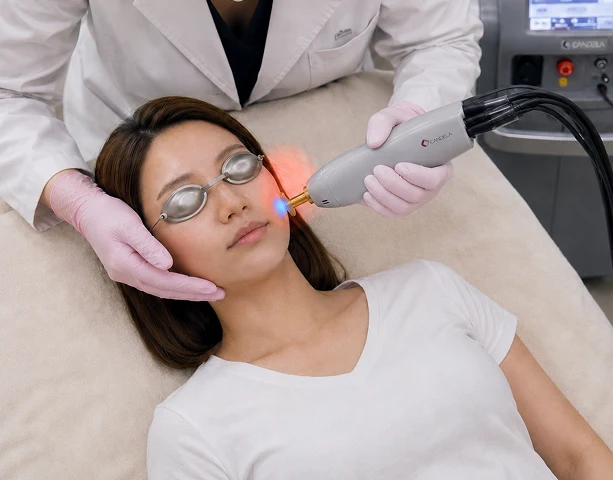
Genesis Toning is a multi-pass low-fluence long-pulse 1064nm Nd:YAG protocol that targets oxyhemoglobin in superficial vessels and delivers sub-ablative thermal stimulus to dermal collagen. On the Candela GentleMax Pro Plus the 755nm Alexandrite is used separately for discrete solar lentigines. The course is gentle but cumulative — typically 4-6 sessions spaced 3-4 weeks apart — and rosacea is managed, not cured. Long-term maintenance and trigger avoidance are part of the protocol.

Genesis Toning — Long-pulse 1064nm Nd:YAG + 755nm Alexandrite — Candela GentleMax Pro Plus
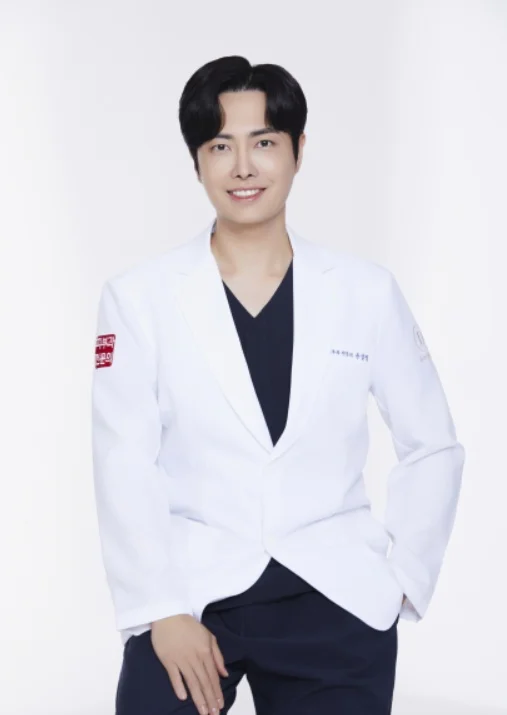
Dr. SangYoul Yun
Reviewed by Dr. SangYoul Yun
Board-certified Dermatologist · Chief Director · AAD Member
01

Overview

Genesis Toning at Delight Dermatology in Gangnam, performed under Dr. SangYoul Yun, Board-Certified Dermatologist (male). Multi-pass low-fluence long-pulse 1064nm Nd:YAG on the Candela GentleMax Pro Plus platform — sub-purpuric vascular and dermal collagen work for rosacea redness, persistent flushing, photoaging texture, and pore refinement. 755nm Alexandrite reserved for discrete solar lentigines with explicit Asian-skin post-inflammatory hyperpigmentation (PIH) counseling. Off-label protocol disclosed in writing.

Best for

  • Rosacea diffuse facial redness — Erythematotelangiectatic Rosacea (ETR) subtype with background flush
  • Persistent flushing episodes triggered by heat, alcohol, spicy food, or emotional stimulus
  • Fine telangiectasias (visible vessels) on cheeks, nose, and chin that resist topical therapy
  • Photoaging texture, dullness, and uneven tone in Fitzpatrick Skin Type (FST) III-V Asian skin
  • Pore appearance and oily-skin sebaceous prominence wanting non-ablative refinement
  • Solar lentigines (sun spots) on cheeks, temples, and forehead — discrete pigmented macules
  • Post-Spectra or post-Vbeam maintenance patients wanting a gentler ongoing schedule
  • Sensitive Asian skin requiring sub-purpuric (no bruising) low-downtime laser maintenance

Suited for

  • Adults 만 19세 이상 (Korean legal age) — minors require parent or guardian co-consent. Most patients are 25-60
  • Patients with diagnosed rosacea already on baseline topical therapy (metronidazole, ivermectin, brimonidine, or azelaic acid) and stable trigger avoidance
  • FST III-V Asian and Middle Eastern skin wanting non-ablative tone-and-texture work with minimal downtime
  • Multi-trip international patients accepting that a full 4-6 session course is NOT feasible in a single Seoul trip
  • Post-Hollywood Spectra or post-Vbeam patients wanting gentler ongoing maintenance between deeper sessions
  • Patients comfortable with realistic expectation — rosacea is chronic and managed; flushing improves but recurs without ongoing topicals + trigger avoidance
  • Patients requesting a fully female-staffed treatment room (physician, assistant, prep tech) — arranged on request. Hijab-respecting protocols include private prep space and soft headscarf accommodation for periorbital eye-shield placement
  • Multi-language consult patients (Korean / English / Japanese / Mandarin Chinese / Vietnamese / Thai / Arabic) — request preferred language at booking; lead times vary 1-2 weeks for AR/VI/TH
  • Patients screened safe for laser (no recent tan within 4 weeks, no isotretinoin within 1 month, no active herpes simplex virus episode, no photosensitizing medication active)
Duration
Consultation 30 min · Single Genesis session 30-45 min (with topical anesthesia setup) · Combined Genesis + 755nm lentigines spot 45-60 min
Sessions
4-6 sessions spaced 3-4 weeks apart for full course · Maintenance every 2-4 months
Downtime
Minimal — transient pink flush 30-60 min · No purpura with Genesis pass · 755nm lentigines crusting 7-14 days if treated · Sun avoidance 14 days
Peak result
End of 4-6 session course (Month 3-5) with ongoing maintenance for chronic rosacea management
02

Timeline

  1. Immediate (Day 0)

    Transient pink flush and mild warmth in treated zones — fades within 30-60 minutes. No purpura, no crusting with standard Genesis pass. Mineral SPF 50+ applied before leaving clinic. Patients can return to normal activity same day.

  2. Day 1-3

    Most patients have no visible downtime. Possible mild facial flush or sensation of warmth for 24 hours. Discrete lentigines treated with 755nm Alexandrite may darken and form a thin crust over 3-7 days before sloughing — this is the intended response, not a complication.

  3. After session 1-2

    Subtle softening of overall redness and pore appearance. Most patients do not see dramatic change after a single session — Genesis is cumulative. Realistic expectation set at consult.

  4. After session 3-4

    Visible reduction in baseline facial redness, improved texture and tone, decreased flushing frequency for many rosacea patients. Telangiectasia density reduction begins to be visible.

  5. End of 4-6 session course (Month 3-5)

    Peak clinical effect — substantial baseline redness reduction, improved skin quality, reduced flushing trigger reactivity. Piccolo 2022 reported 50-80% erythema reduction across 2 sessions of long-pulse 1064nm in-motion technique; Kwon 2018 showed long-pulse 1064nm equivalent to pulsed dye laser (PDL) at split-face comparison.

  6. Long-term maintenance (every 2-4 months)

    Rosacea is chronic — without ongoing topicals, trigger avoidance, and periodic maintenance sessions, baseline redness gradually returns over 6-12 months. Most patients maintain results with one session every 2-4 months plus daily baseline topical (metronidazole, ivermectin, or azelaic acid) and strict sun avoidance.

  7. Solar lentigines (755nm spot)

    Treated macules darken Day 1-3, form thin crust Day 3-7, slough Day 7-14 revealing lighter skin. Single session typically clears 60-80% of treated lentigines; second touch-up at 4-6 weeks for residual pigment. FST IV+ patients monitored for PIH 4-12 weeks post-treatment.

03

Devices

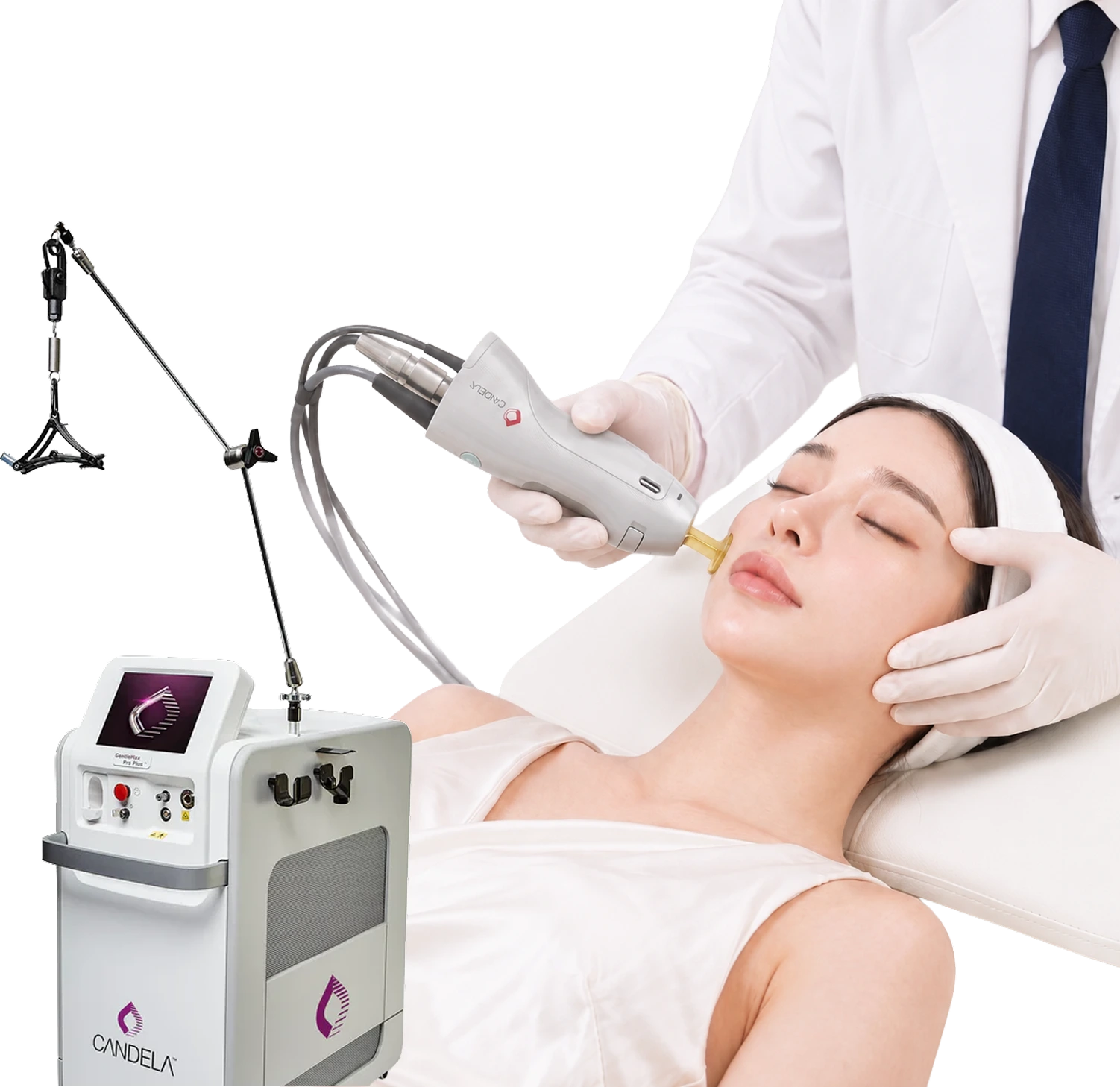
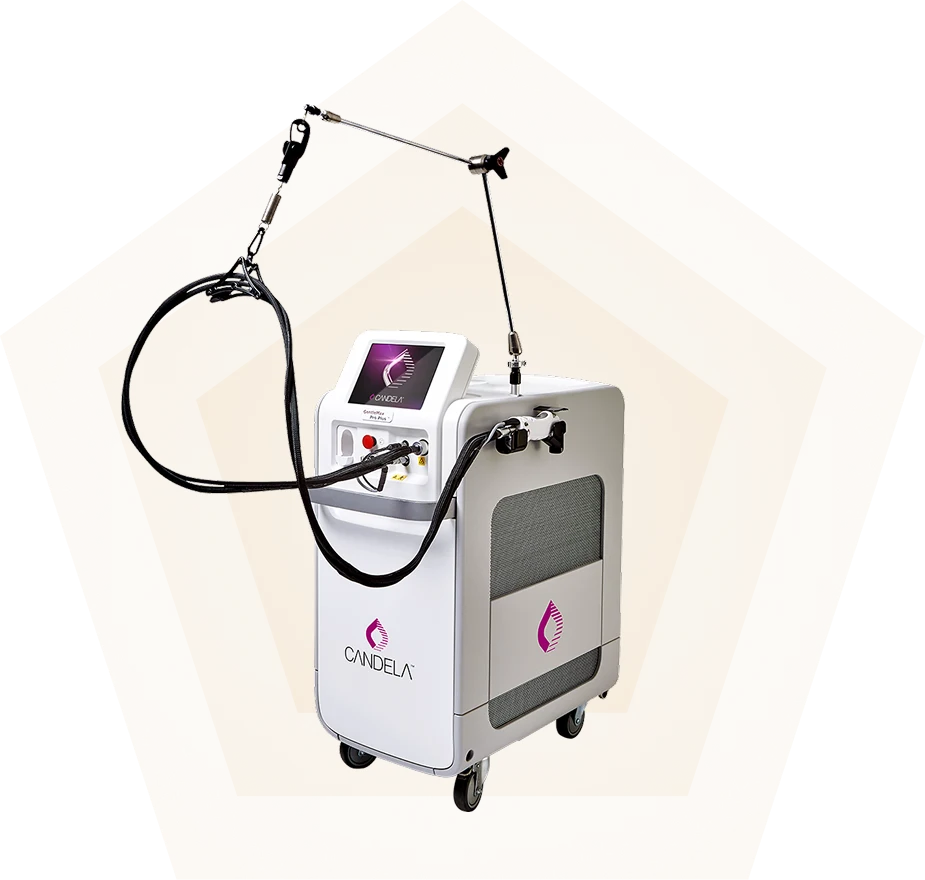
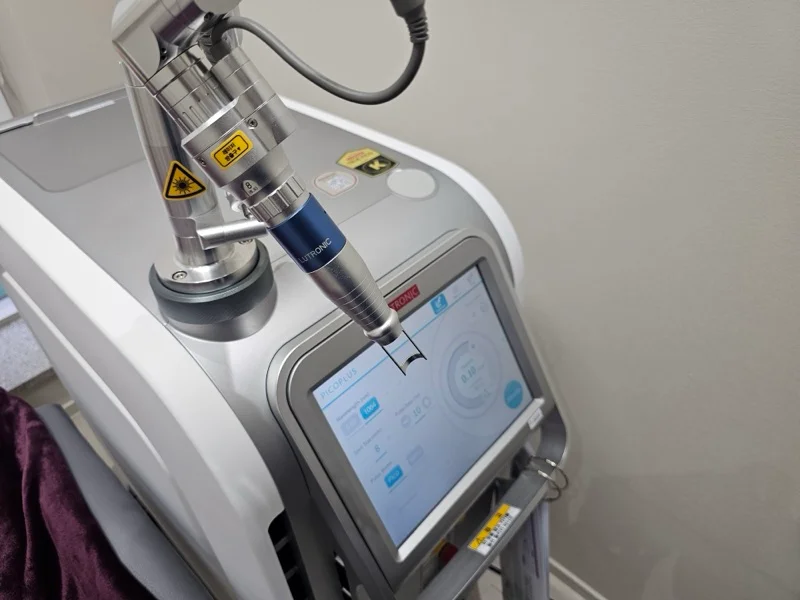
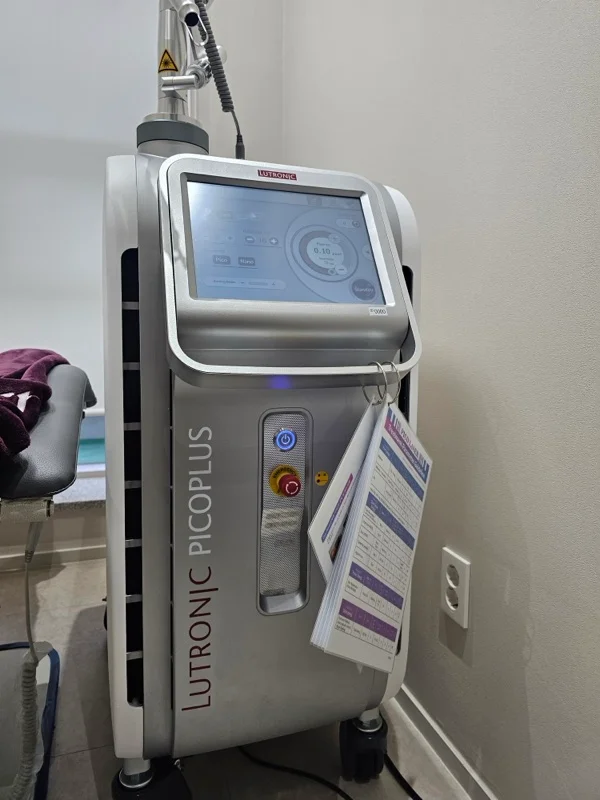
Candela GentleMax Pro Plus (Long-pulse 1064nm Nd:YAG + 755nm Alexandrite)

Candela Medical (Marlborough, MA, USA) — Korean distribution via Candela KoreaUS FDA 510(k) K201111 (May 2020) Candela GentleMax Pro Plus · MFDS (Korean Ministry of Food and Drug Safety) Class III laser medical device · CE marked under MDR (Medical Device Regulation). 'Genesis Toning' (multi-pass low-fluence long-pulse 1064nm) is an OFF-LABEL protocol using the cleared 1064nm wavelength — disclosed in writing at consent. 755nm Alexandrite is FDA-cleared for hair removal and benign pigmented lesions; its use for solar lentigines is on-label, with elevated PIH risk in FST IV+ Asian and Middle Eastern skin explicitly counseled.

Key specs

Wavelengths
1064 nm long-pulse Nd:YAG and 755 nm long-pulse Alexandrite (dual platform)
Pulse durations
millisecond range, long-pulse regime (not Q-switched nanosecond, not picosecond)
Cooling
Dynamic Cooling Device (DCD) cryogen spray plus air cooling for epidermal protection
Spot sizes
variable 1.5-24 mm depending on indication and wavelength
Fluence range
optimized low-fluence for Genesis multi-pass work; higher-fluence for discrete spots
Sapphire tip option
contact cooling for in-motion Genesis Toning passes
Eye safety
mandatory intraocular Cox II or David-Baker shields for periorbital work
Off-label Genesis protocol
long-pulse 1064nm wavelength FDA-cleared; multi-pass low-fluence toning regimen is operator-developed
Originally named after Cutera Laser Genesis trademark; portmanteau now generic across platforms
Not equivalent to Lutronic Spectra Genesis mode (nanosecond Q-switched, different pulse regime)
04

Process

  1. 01

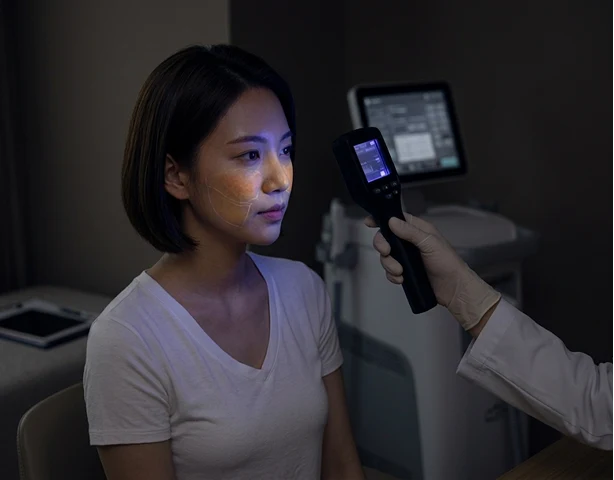
    Consultation and diagnosis by Dr. SangYoul Yun (male, Board-Certified Dermatologist). 30-minute facial mapping under standard and Wood's lamp lighting to differentiate rosacea ETR from photodamage telangiectasia, melasma, and post-inflammatory hyperpigmentation (PIH). Realistic counseling that rosacea is a chronic condition managed long-term — Genesis Toning improves redness and vessel density but does not cure the underlying disease.

  2. 02

    **Device verification and off-label disclosure** — Patients are explicitly told the specific device used: Candela GentleMax Pro Plus with long-pulse 1064nm Nd:YAG. The phrase 'Genesis Toning' is a marketing portmanteau that originated with the Cutera Laser Genesis trademark and is now used generically across multiple platforms (Lutronic Spectra Genesis mode, Cutera Laser Genesis, Cutera Excel V Genesis, Candela 1064nm long-pulse). In the Korean market 'Genesis Toning' often refers to Lutronic Spectra. We disclose which device + wavelength + pulse duration is used at your session in writing.

  3. 03

    Herpes simplex virus (HSV) screening — patients with two or more recurrent perioral cold-sore episodes in the prior year receive valacyclovir 500 mg twice daily for 5 days starting the day before any perioral-zone laser work. Defer all treatment if any active herpetic lesion is present on the face.

  4. 04

    Pre-treatment medication and history review — recent tan within 4 weeks, isotretinoin within 1 month, photosensitizing medications (amiodarone, voriconazole, hydrochlorothiazide, fluoroquinolones, doxycycline, retinoids), anticoagulation, and active autoimmune flare all checked and documented. Skin makeup, retinoids, and acid exfoliants discontinued for 3-5 days before session.

  5. 05

    Topical anesthesia — lidocaine/prilocaine cream under occlusion for 20-30 minutes. Most patients tolerate Genesis Toning without anesthesia (warm rubber-band sensation), but topical is offered for sensitive areas and first-time patients.

  6. 06

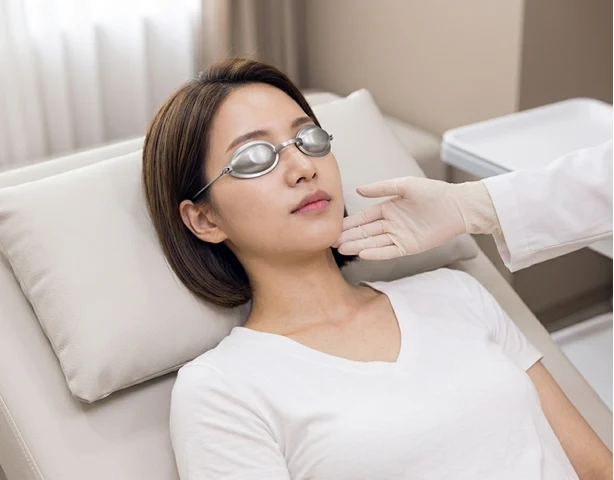
    **Mandatory eye safety** — Cox II or David-Baker intraocular metal eye shields placed under topical anesthetic drops for any periorbital work. External laser-safety goggles for all staff and for patient when treatment is non-periorbital. Eye injury from misdirected 1064nm or 755nm pulses is documented in the literature (Kim 2019, Balyen 2018) and is the most serious avoidable complication.

  7. 07

    Long-pulse 1064nm Nd:YAG Genesis pass — multi-pass low-fluence in-motion technique with sapphire-tip cooling. Conservative settings on first session, titrated by skin response. 4-6 passes per zone, full face typically 15-20 minutes. Endpoint is mild warmth and transient pink flush — no purpura, no immediate ablative crust.

  8. 08

    **Optional 755nm Alexandrite spot work for solar lentigines** — discrete pigmented macules only, test pulse first to confirm response and screen for excessive heating. FST IV+ patients are explicitly counseled on elevated PIH risk and are offered the conservative alternative of 1064nm-only sessions or referral to Hollywood Spectra Q-switched protocol for lentigines. 755nm is NOT used for diffuse pigment or melasma.

  9. 09

    Immediate post-treatment cooling — chilled gel mask 10-15 minutes, bland emollient, mineral SPF 50+ broad-spectrum before leaving the clinic. Photo documentation of all treated zones. No purpura or downtime in standard Genesis pass — patients can return to normal activity same day with diligent sun protection.

  10. 10

    Cumulative dose review at every session — total fluence and pass count tracked across the course. Mottled hypopigmentation is the documented risk of cumulative low-fluence Nd:YAG toning (Lee 2022 systematic review of LFQSNY for melasma — same mechanism concern applies to long-pulse Genesis cumulative dose). We pause and reassess every 4 sessions rather than running open-ended toning courses.

05

Aftercare

  1. 01Day 0 (first 24 hours)

    Mineral SPF 50+ broad-spectrum reapplied every 2-3 hours outdoors. Bland emollient (Cetaphil, La Roche-Posay Toleriane, Avene Cicalfate, or equivalent) twice daily. Cold compress 10-minute intervals for any persistent warmth. Avoid hot showers, sauna, jjimjilbang, hot yoga, vigorous exercise, alcohol, and spicy food for 24 hours. No makeup for 4-6 hours (mineral makeup acceptable after that).

  2. 02Day 1-3

    Continue strict SPF 50+ broad-spectrum reapplication every 2-3 hours outdoors. Sun avoidance to treated zones — physical avoidance plus SPF, not SPF alone. Avoid retinoids, acid exfoliants (AHA, BHA, glycolic, salicylic), Vitamin C serum, and benzoyl peroxide for 3-5 days. Resume baseline rosacea topicals (metronidazole, ivermectin, azelaic acid) on Day 2 unless instructed otherwise.

  3. 03Day 3-7 (lentigines crusting window if 755nm used)

    Discrete lentigines treated with 755nm Alexandrite may darken and form thin crust during this window — do NOT pick or scrub. Allow natural sloughing. Continue bland emollient and strict SPF. If any crust appears infected (pus, expanding redness, fever) contact clinic. Genesis-only treatment areas have no crusting in this window.

  4. 04Week 2-4 (interval to next session)

    Resume normal skincare including retinoids and acid exfoliants if tolerated. Strict daily SPF 50+ baseline. Maintain rosacea topicals daily. Trigger avoidance discipline — heat, alcohol, spicy food, emotional stress, and sun are the main flushing triggers. Photo your skin in same lighting weekly to track redness baseline. Next Genesis session typically at 3-4 weeks; do not return earlier.

  5. 05Long-term maintenance and multi-trip patients

    After completing the 4-6 session course, maintenance Genesis every 2-4 months sustains results. Bring discharge packet to home dermatologist for continuity. Rosacea is chronic — without daily baseline topical, strict sun protection, and trigger avoidance, redness gradually returns over 6-12 months. Watch for mottled hypopigmentation over extended cumulative courses; pause and reassess every 4 sessions. Report any new pigment irregularity, persistent erythema beyond 48 hours post-session, or unexpected pain immediately.

06

FAQ

Which device do you actually use for Genesis Toning?

Candela GentleMax Pro Plus with long-pulse 1064 nm Nd:YAG, multi-pass low-fluence in-motion technique. This is important because 'Genesis Toning' is used as a generic marketing term across at least four distinct devices — Cutera Laser Genesis (the original trademark), Cutera Excel V Genesis, Lutronic Spectra Genesis mode (nanosecond Q-switched, different pulse regime), and any long-pulse 1064 nm Nd:YAG platform including Candela. In the Korean market 제네시스 토닝 in ad copy frequently refers to Lutronic Spectra. Wavelength, pulse duration, and platform meaningfully change indications and safety, so we disclose the specific device used at your session in writing. If you previously received 'Genesis Toning' at another clinic and want continuity, bring the prior clinic's records so we know which device and protocol you were on.

How is Genesis Toning different from Hollywood Spectra Toning?

Different pulse regime, complementary rather than substitute. Candela long-pulse 1064 nm Nd:YAG (Genesis) operates in the millisecond range — sub-purpuric vascular targeting and dermal collagen stimulus, best for diffuse redness, rosacea ETR, flushing, and gentle texture work. Lutronic Spectra Q-switched Nd:YAG operates in the nanosecond range — melanin-selective sub-cellular disruption, best for melasma, post-inflammatory hyperpigmentation, and tattoo work. Many patients benefit from both at different points in their plan: Spectra for melasma-dominant phases, Genesis for rosacea-dominant or flushing-dominant phases. Choi 2018 and Lee 2022 document the Korean evidence base for low-fluence Q-switched Nd:YAG melasma work; Kwon 2018 and Piccolo 2022 document the long-pulse 1064 nm evidence base for rosacea and erythema reduction.

How is Genesis Toning different from Vbeam (pulsed dye laser)?

Vbeam Perfecta is a pulsed dye laser (PDL) at 595 nm with a short pulse and a strong single-session impact on discrete visible vessels — best for individual telangiectasias, port-wine stains, scars, and prominent vascular lesions, often with transient purpura (bruise-like) downtime when settings are aggressive. Genesis Toning (long-pulse 1064 nm) is gentler per session, no purpura, and cumulative — best for diffuse rosacea background redness, flushing reactivity, and maintenance between deeper sessions. Kwon 2018 split-face study found long-pulse Nd:YAG equivalent to PDL for rosacea erythema, and Lee 2012 documented long-pulse Nd:YAG effective for telangiectasias resistant to PDL and IPL. Many patients pair them: Vbeam for discrete vessels, Genesis for ongoing diffuse background. Dr. Yun discusses sequencing at consult based on your specific vascular pattern.

Will Genesis Toning cure my rosacea?

Honest answer: no. Rosacea is a chronic relapsing inflammatory disease and there is no cure in 2026 — only management. Genesis Toning improves background redness, flushing reactivity, and telangiectasia density, and the van Zuuren 2019 Cochrane-style review of 152 RCTs assigns low-to-moderate certainty to laser and IPL for erythema. But triggers (heat, alcohol, sun, spicy food, emotional stress) drive recurrence regardless of laser response, and without ongoing baseline topical therapy (metronidazole, ivermectin, brimonidine, azelaic acid) plus strict sun protection plus trigger avoidance, redness gradually returns over 6-12 months. We frame Genesis honestly as one component of long-term rosacea management — not a one-time fix.

Can I complete a full Genesis Toning course in a single Seoul trip?

Honest answer: no. A full course is 4-6 sessions spaced 3-4 weeks apart, total 3-5 months. This is not achievable in any single Seoul trip. Realistic options are: (a) start the course on this trip with 1-2 sessions and continue at a competent home-market clinic with Candela GentleMax Pro Plus or comparable long-pulse 1064 nm Nd:YAG, (b) plan multi-trip cadence (2-3 sessions per visit, 8-12 weeks apart), or (c) substitute a single-trip-friendly protocol — Vbeam for discrete vessels, Hollywood Spectra for single-session brightening, or skin booster injection for hydration. We tell patients this at consult, not after deposit, and we will not start a course you cannot complete safely.

I'm Fitzpatrick Skin Type IV — what about 755 nm Alexandrite and PIH risk?

Elevated risk and we counsel explicitly. The Ho 2009 Asian skin laser landmark and Moftah 2020 Alexandrite vs long-pulse Nd:YAG darker-skin comparison are clear that 755 nm Alexandrite carries higher post-inflammatory hyperpigmentation (PIH) risk than 1064 nm Nd:YAG in FST IV-VI skin. Our protocol for FST IV+ patients: (a) Genesis Toning uses 1064 nm only — the 1064 nm wavelength penetrates deeper and is melanin-friendly relative to 755 nm. (b) If discrete solar lentigines are present, we run a conservative 755 nm test pulse first and explicitly counsel PIH risk before treating, or we default to 1064 nm-only sessions and refer lentigines to a Q-switched protocol with documented Asian-skin safety. (c) FST V-VI patients are typically routed away from 755 nm entirely. We do not run uniform settings across all skin types.

What is the most serious risk of Genesis Toning?

Two distinct serious risks. (1) Eye injury — misdirected 1064 nm or 755 nm laser pulses can cause retinal hemorrhage (Kim 2019 documented peripheral retinal hemorrhage from 1064 nm) or macular burn (Balyen 2018 documented macular injury from 755 nm). This is why intraocular Cox II or David-Baker metal eye shields under topical anesthetic drops are mandatory for any periorbital work — non-negotiable. (2) Mottled hypopigmentation from cumulative low-fluence dose — Lee 2022 systematic review documented this complication for low-fluence Q-switched Nd:YAG melasma protocols, and the mechanism concern (repeated sub-ablative melanin disturbance) extends to long-pulse Genesis cumulative dose. We cap protocols at 4-6 sessions, reassess after each block, and decline open-ended weekly toning that other clinics market as a 'glass skin reset' or 'skin reset' regimen.

How does Genesis compare to topical-only therapy for mild rosacea?

For mild rosacea, topical therapy alone is first-line and evidence-based — metronidazole, ivermectin, brimonidine, or azelaic acid plus strict sun protection and trigger avoidance is the foundation. The van Zuuren 2019 Cochrane-style review supports topical therapy as the highest-certainty intervention. Genesis Toning is an adjunct that addresses what topicals cannot fully reach (background diffuse erythema and telangiectasia density), and it is most useful for patients who have already optimized topical therapy plus trigger avoidance and want additional improvement. Starting Genesis without first establishing daily baseline topicals is a sequencing error — we typically ask patients to optimize topical therapy for 8-12 weeks before adding laser, unless rosacea is moderate-to-severe at presentation.

How does Genesis compare to Forma (bipolar radiofrequency) for skin tightening and pore work?

Different mechanism and different indication. Genesis Toning uses chromophore-selective laser energy — 1064 nm targets oxyhemoglobin in superficial vessels and creates a sub-ablative dermal thermal stimulus, best for redness, flushing, and gentle texture refinement. Forma uses bipolar radiofrequency (RF) that heats tissue wavelength-blind through electrical resistance — no chromophore selectivity, best for mild laxity, skin tightening, and pore appearance through bulk dermal heating. They address different concerns and are sometimes combined in a comprehensive plan. Genesis is not a skin-tightening device; for moderate laxity we route to Ultherapy (HIFU) or Thermage (monopolar RF) at a separate consult.

Can Genesis Toning remove all my solar lentigines (sun spots) in one session?

Discrete lentigines treated with 755 nm Alexandrite spot work typically show 60-80 percent clearance per session — they darken Day 1-3, form a thin crust Day 3-7, and slough Day 7-14 revealing lighter skin. A second touch-up session at 4-6 weeks addresses residual pigment. For FST IV+ patients we run conservative test pulses first and counsel PIH risk. For diffuse pigmentation, melasma, or mixed photodamage we do not use 755 nm — instead we route to Hollywood Spectra Q-switched protocol with documented Asian-skin safety. Bring photos and we will tell you honestly which device and protocol fits your specific pigmentation pattern.

Is Genesis Toning safe during pregnancy or breastfeeding?

No published safety data exists for elective cosmetic laser during pregnancy or lactation, so all elective laser including Genesis Toning is deferred until after pregnancy and breastfeeding are complete. This is a precautionary stance — there is no documented harm from the laser energy to the fetus or infant, but the principle of avoiding any non-essential procedure during pregnancy or lactation governs. Postpartum melasma (chloasma) is common and we can discuss treatment planning at consult, typically starting topical therapy first and adding laser after breastfeeding is complete.

I had Spectra Toning at another clinic — can I switch to Genesis for maintenance?

Yes, and this is a reasonable plan if your dominant remaining concern is redness, flushing, or telangiectasia rather than melasma. Bring records of your prior Spectra protocol — number of sessions, fluence, time since last session — so we can plan continuity. If you still have melasma activity, we may recommend continuing Spectra (or switching to a different Spectra-based clinic in Seoul if you want to keep that protocol) rather than switching entirely. The platforms are complementary, not interchangeable — Spectra nanosecond Q-switched for melanin work, Genesis long-pulse millisecond for vascular and collagen work. Dr. Yun reviews your case honestly at consult.

How much does Genesis Toning cost in Seoul?

The Korean market range for Genesis Toning runs roughly ₩59,000 to ₩300,000 per single session (chain clinics offer ₩59,000-₩99,000 loss-leader pricing; mid-tier ₩150,000-₩220,000; premium Apgujeong / Cheongdam ₩250,000-₩300,000). 5-session packages run ₩300,000-₩750,000 and 10-session packages ₩590,000-₩1,500,000. Combination protocols (Vbeam + Genesis combined session) run ₩259,000-₩600,000. We quote our pricing in writing at consult based on your specific zones, session count, and combination plan — quoted after consultation per Korean cosmetic-medicine convention. The price floor at chain clinics often reflects shorter sessions, less individualized parameter selection, and high-volume throughput; Dr. Yun's small-practice protocol prioritizes parameter individualization and cumulative dose discipline.

Is consultation available in my language and can I have a virtual consult before flying?

Yes to both. Pre-trip virtual consultation is available before flight booking — submit intake form with concern photos (well-lit, no filter, multiple angles) and brief history; Dr. Yun reviews and we email a per-session quote schedule plus realistic 2-trip or 3-trip plan recommendation before you commit to travel. Languages supported via clinic translator: Korean / English / Japanese / Mandarin Chinese / Vietnamese / Thai / Arabic. Japanese and Mandarin typically same-week availability; Arabic, Vietnamese, Thai prefer 1-2 week lead time. English is fluent at all consults. Pre-trip messenger follow-up at 1-week, 4-week, and 12-week post-treatment in your language is included via KakaoTalk / LINE / Zalo / WhatsApp / WeChat.

Why is Dr. Yun a small-practice dermatologist instead of a high-volume chain?

Because the safety margin in cumulative-dose laser toning on Asian skin lives in parameter individualization — wavelength selection (1064 nm vs 755 nm based on Fitzpatrick type and indication), fluence titration by per-patient response, cumulative dose tracking across sessions, mandatory eye-shield discipline, and the willingness to pause or refuse a course rather than chase a sale. Korean specialist requirement for clinic naming is a clinic-naming rule, not a statutory device-operation gate; we position a Board-Certified dermatologist at the planning and review of every session as a clinical-quality choice. Factory-style high-volume Genesis toning is how operator-dependent complications (mottled hypopigmentation from cumulative overdose, PIH from inappropriate 755 nm in FST IV+ skin, eye injury from skipped shield protocol) accumulate; small-practice discipline is how they do not.

Notice

Tell the dermatologist at consultation if any of the following apply.

  • **Absolute** — Pregnancy or lactation (no published safety data for elective cosmetic laser)
  • **Absolute** — Active herpes simplex virus (HSV) lesion at treatment site; recurrent perioral HSV requires valacyclovir 500 mg twice daily prophylaxis starting day before perioral-zone work
  • **Absolute** — Active skin infection, cellulitis, inflammatory dermatosis, or open wound at treatment site
  • **Absolute** — Recent tan or sunburn within 4 weeks at treatment site (elevated burn and pigment-disturbance risk)
  • **Absolute** — Isotretinoin (Accutane / Roaccutane) within 1 month per 2017 ASDS task force consensus (Waldman) for non-ablative laser procedures
  • **Absolute** — Known photosensitivity disorder (lupus, porphyria, polymorphic light eruption active)
  • **Absolute** — Active skin malignancy at treatment site or melanoma history at site (any time); active chemotherapy or head/neck radiation — oncology and treating physician clearance required
  • **Relative** — Fitzpatrick Skin Type V-VI for 755nm Alexandrite specifically (elevated PIH and burn risk) — counsel for 1064nm-only sessions or refer discrete lentigines to Q-switched protocol with documented FST V-VI safety
  • **Relative** — Melasma-dominant pigmentation pattern — 755nm Alex can worsen melasma; refer to Spectra-based toning protocol with melasma-specific evidence base (Choi 2018, Lee 2022 with cumulative-dose caveat)
  • **Relative** — Photosensitizing medications active (amiodarone, voriconazole, hydrochlorothiazide, fluoroquinolones, doxycycline, retinoids) — coordinate with prescribing physician; reduce fluence or defer until medication cleared
  • **Relative** — Therapeutic anticoagulation (warfarin, DOAC — direct oral anticoagulant, dual antiplatelet) — prolonged erythema and small-vessel purpura risk acknowledged; do NOT stop anticoagulation for elective laser
  • **Relative** — Active autoimmune flare (lupus, scleroderma, dermatomyositis) — defer until quiescent ≥ 3 months
  • **Relative** — Body dysmorphic concern (BDD) or unrealistic expectation that laser will cure rosacea or eliminate all redness permanently

For your visit

  • **3-day Seoul itinerary** — One Genesis Toning session fits Day 1 or Day 2. No downtime, no purpura, return to sightseeing same afternoon. This single session is best framed as 'start the course in Seoul, continue at home' — one Genesis session alone is not a full result.
  • **5-7 day Seoul itinerary** — Realistic for one Genesis Toning session plus one optional add-on (Vbeam discrete vessel work, Hollywood Spectra brightening, or skin booster injection). Two Genesis sessions in 5-7 days is too short an interval — minimum 3 weeks between Genesis sessions for skin recovery.
  • **Multi-trip cadence (recommended for full course)** — Trip 1: sessions 1-2 over 3-4 weeks if you can extend, or single session if short trip. Trip 2 (8-12 weeks later): sessions 3-4. Trip 3+: maintenance every 2-4 months or alternate with home-clinic care. Pre-trip messenger coordination of timing.
  • **Single-trip impossibility honesty** — A complete 4-6 session Genesis course at 3-4 week intervals takes 3-5 months total. This is not achievable in any single Seoul trip and we tell patients this at consult, not after deposit. We will not start a course you cannot complete safely.
  • **Why Seoul vs your home market?** — Candela GentleMax Pro Plus is widely available globally (US, EU, Japan, Singapore, UAE). International patients travel to Seoul for Korean dermatology technique discipline on Asian skin, conservative cumulative-dose protocols (vs aggressive weekly toning common in some markets), simultaneous access to both Candela and Lutronic Spectra platforms at premium clinics for indication-matched device selection, single-physician continuity, and combination planning across Genesis + Vbeam + Spectra + skin boosters at one Board-Certified dermatology consult.
  • **Pre-trip virtual consultation** — Available before flight booking. Submit intake form with concern photos and brief history; Dr. Yun reviews and we email a per-session quote schedule plus realistic 2-trip or 3-trip plan recommendation. Languages supported via clinic translator: Korean / English / Japanese / Mandarin Chinese / Vietnamese / Thai / Arabic. No deposit required to receive the written quote.
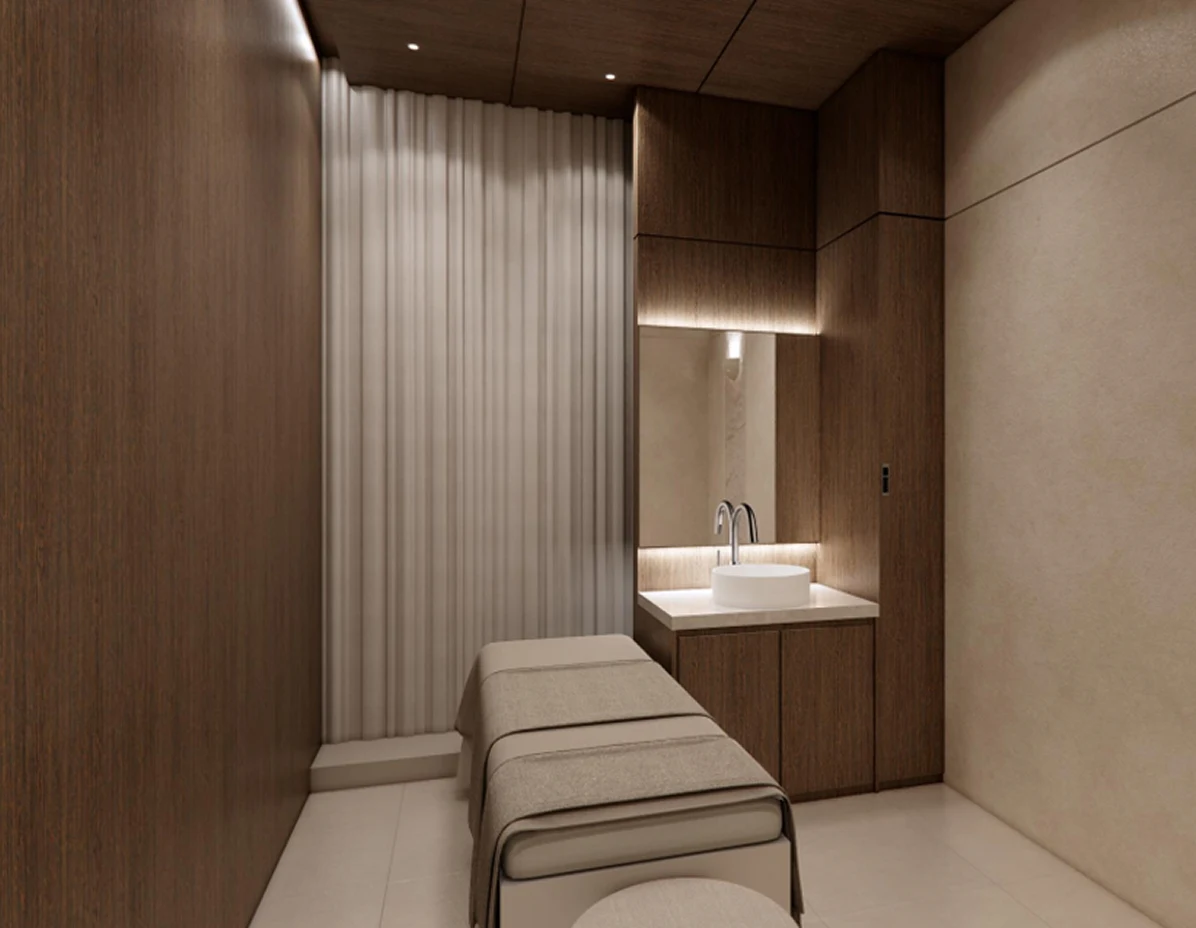
  • **International patient comfort** — Private treatment rooms · fully female-staffed room (physician, assistant, prep tech) on request including private prep space for hijab or niqab patients · Ramadan-friendly scheduling (post-iftar appointments to maintain hydration for healing; topical anesthetic timing coordinated with fasting) · family and caregiver accommodation. Messenger support via KakaoTalk / LINE / Zalo / WhatsApp / WeChat.
  • **Discharge handover packet** (international patients) — Device model and serial number, wavelength used, pulse duration, fluence per zone, spot size, pass count, photographs, recommended home-country maintenance cadence, and signed clinical summary in English with Dr. Yun's stamp — designed for direct handoff to your home dermatologist for continuity of the Genesis course.
07

References

The clinical claims on this page — device specs, efficacy timelines, safety profile — are supported by the primary sources below. Each citation links to the original paper or regulatory record.

  1. [1]Selective photothermolysis — precise microsurgery by selective absorption of pulsed radiation. Science (Anderson Parrish) (1983).
  2. [2]Dynamic cooling device physics for epidermal protection during laser dermatology. Lasers Surg Med (Majaron) (2001).
  3. [3]Long-pulse 1064 nm Nd:YAG for facial telangiectasia resistant to PDL and IPL. Dermatol Surg (Lee) (2012).
  4. [4]Long-pulse 1064 nm Nd:YAG vs pulsed dye laser for rosacea — split-face equivalent. J Cosmet Laser Ther (Kwon) (2018).
  5. [5]Long-pulse 1064 nm Nd:YAG in-motion technique — 50-80% erythema reduction over 2 sessions. J Cosmet Dermatol (Piccolo) (2022).
  6. [6]Rosacea management review — chronic disease with trigger-driven recurrence. Dermatol Clin (Abokwidir) (2016).
  7. [7]Interventions for rosacea — 152-RCT Cochrane-style GRADE assessment, low-moderate certainty for laser/IPL. Br J Dermatol (van Zuuren) (2019).
  8. [8]Asian skin and laser surgery — landmark review of phototype-specific safety. Dermatol Surg (Ho) (2009).
  9. [9]Low-fluence Q-switched Nd:YAG for melasma — systematic review with mottled hypopigmentation warning. J Cosmet Dermatol (Lee) (2022).
  10. [10]Low-fluence Q-switched Nd:YAG melasma — Korean evidence base. Lasers Med Sci (Choi) (2018).
  11. [11]Combination 532 nm and 1064 nm for facial rejuvenation — early Korean experience. Dermatol Surg (Lee 2003) (2003).
  12. [12]Long-pulse Nd:YAG for hair removal — 1-year follow-up. Dermatol Surg (Lorenz) (2002).
  13. [13]Alexandrite vs long-pulse Nd:YAG for axillary hair removal in darker skin types. J Cosmet Dermatol (Moftah) (2021).
  14. [14]Peripheral retinal hemorrhage from accidental 1064 nm Nd:YAG laser exposure. Retin Cases Brief Rep (Kim) (2019).
  15. [15]Macular burn after 755 nm Alexandrite laser hair removal. Beyoglu Eye J (Balyen) (2019).
  16. [16]Sapphire contact cooling for laser dermatology — epidermal protection physics. Lasers Med Sci (Nistico) (2018).
  17. [17]ASDS isotretinoin task force consensus — non-ablative laser safe at 1 month. Dermatol Surg (Waldman ASDS) (2017).
Reviewed byDr. SangYoul Yun· Board-Certified Dermatologist (Korean Ministry of Health and Welfare) · AAD International Fellow (IFAAD — International Fellow of the American Academy of Dermatology, the world's largest dermatology society) · ASLMS Member (American Society for Laser Medicine and Surgery) · Former Director of Banobagi Dermatology · Clinic registered as Authorized Medical Institution for International Patients (KHIDI 357-15-02460 — Korea Health Industry Development Institute)· Last reviewed 2026-05-16

Related procedures

Notice: Individual results may vary depending on skin condition, treatment history, and recovery factors. All treatment plans are determined through individual consultation with a board-certified dermatologist. The information on this page is for reference only and does not constitute medical advice or guarantee specific outcomes.

Next Step

You can start with a short message before deciding on Genesis Toning.

Even a short first message can help you check suitability, timing, and what to compare next before you book.

Gangnam, Seoul

Personalized dermatology care in Gangnam for local and overseas patients.

Delight Dermatology Clinic focuses on doctor-led consultation, warm service, and personalized treatment planning.

Walking videos

Nonhyeon · Exit 4
Sinnonhyeon · Exit 2
Clinic

Delight Dermatology Clinic

4th Floor, Building B, 509 Gangnam-daero

Seocho-gu, Seoul, South Korea

Parking is available in the building.

02-517-9991

Mon - Fri: 10:00 - 20:00

Lunch break: 13:00 - 14:00

Saturday: 10:00 - 17:00

Sunday and public holidays: Closed

Location

Gangnam · Seocho-gu, Seoul

Find directions

Clinic Name: 딜라이트피부과의원Representative: 윤상열Tel. 02-517-9991Business Registration No.: 357-15-02460Privacy PolicyTerms of Use
Registered Foreign Patient Medical Institution
Officially registered by the Ministry of Health and Welfare of the Republic of Korea (Reg. No. M-2024-01-08-8248) · 외국인환자 유치의료기관

Medical information on this site is for reference only and does not constitute medical advice. Individual results may vary. Consult a board-certified dermatologist for diagnosis and treatment planning.