Acne Scar Treatment in Seoul β€” Texture and Scar Repair

Texture and Scar Repair

Acne Scar Treatment in Seoul

Search intent for acne scars is different from active acne. This page is structured for patients comparing lasers, regenerative treatment, downtime, and what kind of scar actually benefits from each route.

Board-Certified

Dermatologist

AAD International Fellow

IFAAD

FDA-cleared

Where applicable

MFDS-registered

Korean MoH&W

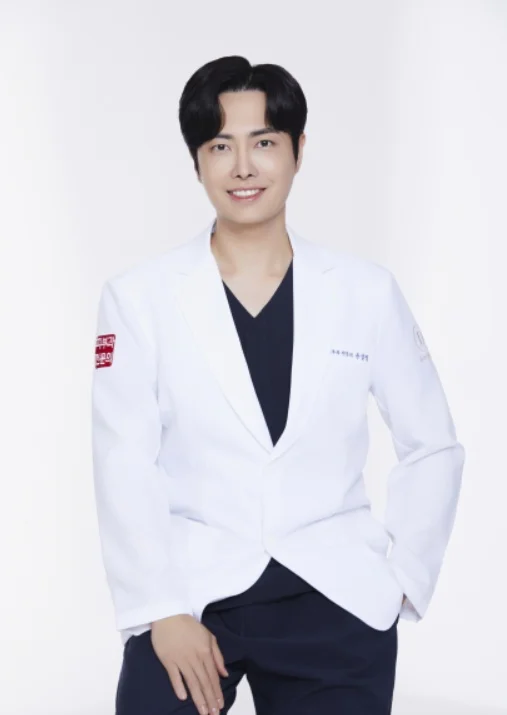
Dr. SangYoul Yun
Reviewed personally by Dr. SangYoul Yun
Board-certified Dermatologist Β· AAD International Fellow (IFAAD) Β· IFAAD-verified
01

Overview

Acne scar treatment in Seoul with a specialist focus on texture, scar type, collagen remodeling, and realistic recovery planning in Gangnam.

Best for

  • rolling, boxcar, or mixed acne scars
  • textural unevenness after previous breakouts
  • patients unsure whether laser or regenerative care is the better fit

Suited for

  • patients with stable acne but lasting texture issues
  • travelers who want a staged scar plan rather than generic resurfacing
  • patients who need realistic expectations about scar improvement
Duration

10-25 min (CO2); +15-20 min Subcision + JUVELOOK combo

Sessions

CO2 staged ~3 mo apart; Subcision 1-3 mo apart; TAC (raised scars) 1-2 wk Γ— ~10

Downtime

~1 week (CO2 microcrust); ~3-4 days (Subcision bruising)

Peak result

6-12 months across course

02

Timeline

  1. Immediately post (CO2)

    Pinpoint ablation columns visible; mild edema and erythema on treated area.

  2. Days 1-7

    Microcrust formation over treated columns; flaking and peeling around days 5-7. Pink new skin emerges underneath.

  3. Weeks 2-4

    Pink tone gradually fades; initial textural softening becomes visible.

  4. 1-3 months

    Collagen remodeling visible; scar depth begins to soften. Juvelook PDLLA effect continues to develop.

  5. 6 months (mid-course)

    Mid-protocol assessment β€” staged sessions cumulative effect on scar depth and skin texture.

  6. 12 months (post-course)

    Structural scar improvement is essentially semi-permanent. Long-term maintenance focuses on protecting new collagen from UV damage.

03

Devices

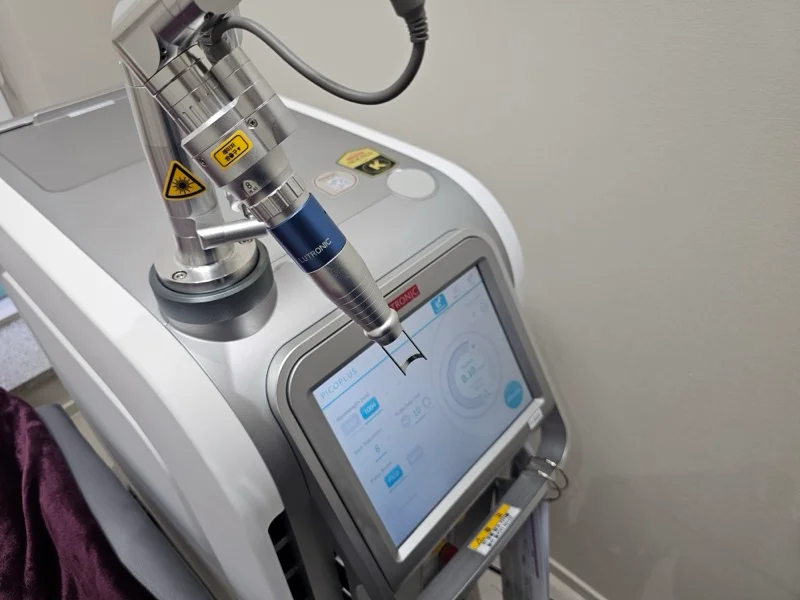
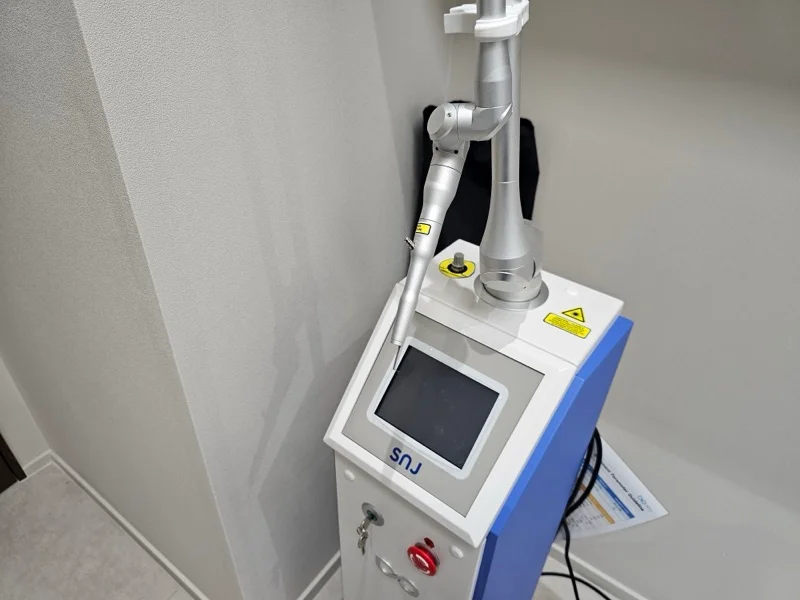
Fractional CO2 laser system for acne scar resurfacing

Fractional CO2 Laser

Operator confirm β€” Lutronic eCO2 / Lumenis UltraPulse / DEKA SmartXideFDA-cleared ablative fractional CO2 platforms (multiple K-numbers depending on platform)

Key specs

Shapes the elevated border of the scar β€” controlled ablation of the scar rim flattens the visual step-off
Treats boxcar and ice-pick scars by reducing the scar margin (rolling scars handled primarily via subcision + JUVELOOK)
Session time ~10-25 minutes; visible recovery ~1 week
Sessions spaced ~3 months apart to allow full re-epithelialization before next pass
Result is essentially semi-permanent for scar structure (new breakouts can introduce new texture)
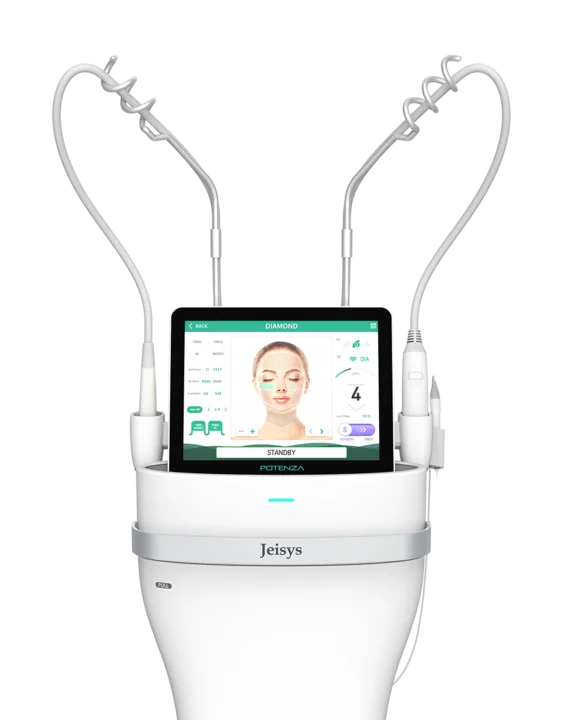
Subcision + JUVELOOK (atrophic scar protocol)

JUVELOOK β€” VAIM Co., Ltd. (Korea)MFDS-approved PDLLA biostimulator; subcision is a needle-based in-office procedure

Key specs

Subcision
fine needle released and partially removes fibrous bands tethering rolling and boxcar scars to deeper tissue
JUVELOOK placed in the newly released subdermal space supports collagen rebuilding and prevents re-tethering
Recovery approximately 3-4 days (bruising and mild swelling)
Sessions spaced 1-3 months apart, repeated as needed
Ice-pick scars are not appropriate for this protocol β€” they are managed via CO2 boundary shaping instead

Intralesional Triamcinolone (raised / hypertrophic / keloid scars)

Multiple manufacturers (Kenalog and Korean generics)MFDS-approved corticosteroid for intralesional injection

Key specs

First-line for raised, hypertrophic, and keloid scars at Delight Dermatology
Sessions spaced approximately 1-2 weeks apart for ~10 sessions to flatten and soften the scar
Mild local atrophy and hypopigmentation are recognized side effects, especially in darker skin
We do not use intralesional 5-FU β€” the TAC monotherapy cadence is calibrated to manage atrophy risk
Vbeam Perfecta (PDL 595 nm) can be layered on top of the injection course for the vascular component
04

Process

  1. 01

    Scar type and depth are assessed first.

  2. 02

    The plan is divided between resurfacing, scar release, regenerative support, or combination care depending on texture pattern.

  3. 03

    Recovery expectations are discussed before treatment dates are fixed.

  4. 04

    If needed, sessions are staged over multiple visits instead of forcing one aggressive day.

β€œInjectables and energy devices are performed by physicians β€” never delegated to non-physician staff. The clinic is led by a board-certified dermatologist.”

β€” Dr. SangYoul Yun Β· Clinic Director Β· Board-Certified Dermatologist Β· AAD IFAAD
05

Before / After

Before
After
Acne treatment program
πŸ”’ Photos published only with prior written consent. Anonymized by default. You may revoke consent at any time.

Cases shown are Fitzpatrick III–IV (East Asian skin). Results in lighter (I–II) or darker (V–VI) skin types may differ β€” discussed at consultation.

06

Aftercare

  1. First 24-48 hours

    Apply prescribed soothing balm; avoid touching, scrubbing, or picking microcrusts. No hot showers, saunas, or vigorous exercise.

  2. Days 1-7

    Microcrusts flake off naturally over 5-7 days. Do NOT pick or peel β€” premature removal increases PIH and texture-mismatch risk. Cleanse gently; broad-spectrum SPF 50+ daily.

  3. Weeks 2-4

    Strict sun protection; avoid retinoids and exfoliating acids until full re-epithelialization. Resume normal skincare gradually.

  4. Long-term

    Daily SPF 50+ to protect remodeling collagen. Schedule next session at 4-6 week interval as part of staged protocol.

07

FAQ

Can acne scars be treated in one trip?

Improvement can start in one visit, but meaningful scar remodeling usually takes staged care rather than a single treatment day.

How do I choose between lasers and regenerative acne scar repair?

It depends on scar type, redness, texture depth, and how much downtime you can realistically manage while traveling.

Can acne scars be treated in a single session?

A combination protocol can sometimes show improvement after a single session, but most patients require 5-10 sessions for meaningful, durable results. The dermatologist evaluates your scar type (atrophic boxcar / ice-pick / rolling, hypertrophic, or PIH-driven) before structuring the program.

How long is a fractional CO2 laser session and how durable is the result?

An individual fractional CO2 laser session typically takes about 10-25 minutes, with approximately 1 week of visible recovery. Once the staged scar-remodeling course is complete, the structural improvement to scar depth and skin texture is essentially semi-permanent β€” though new acne breakouts or significant photodamage in the future can introduce new texture changes.

Notice

Tell the dermatologist at consultation if any of the following apply.

  • Active skin infection or open wound in the treatment area
  • Active acne breakout in the treatment area (treat acne first, then scars)
  • Personal or family history of keloid scarring (relative β€” requires dermatologist review)
  • Recent isotretinoin use within 6 months (relative β€” increases scarring risk for ablative laser)
  • Pregnancy or lactation (elective laser deferred)
  • Active herpes simplex in the treatment zone (requires antiviral prophylaxis)
  • Recent (within 4 weeks) tan or sun exposure on the treatment area

For your visit

  • Texture improvement is usually gradual, so plan for a series mindset rather than one dramatic session.
  • If you only have a short Seoul stay, a good first step may be evaluation and a limited first session.
  • Avoid scheduling major downtime too close to flights, weddings, or heavy sun exposure.
  • For fractional CO2 laser-led plans, expect approximately 1 week of visible recovery (mild crusting and pink tone) after each ablative session.
08

References

The clinical claims on this page β€” device specs, efficacy timelines, safety profile β€” are supported by the primary sources below. Each citation links to the original paper or regulatory record.1 ref
  1. [1]Ablative Fractional CO2 Laser for Facial Atrophic Acne Scars. Facial Plast Surg (Xu & Deng) β€” systematic review of 30 studies (18 RCTs + 12 retrospective) on CO2 fractional acne scar resurfacing (2018).
Reviewed byDr. SangYoul YunΒ· Board-Certified Dermatologist Β· AAD International Fellow (IFAAD)Β· Last reviewed 2026-05-06

Related procedures

Notice: Individual results may vary depending on skin condition, treatment history, and recovery factors. All treatment plans are determined through individual consultation with a board-certified dermatologist. The information on this page is for reference only and does not constitute medical advice or guarantee specific outcomes.

Next Step

Laser and pigment results depend on your skin type β€” a short message (a photo helps) tells us whether Acne Scar Treatment is the right protocol for you.

Even a short first message can help you check suitability, timing, and what to compare next before you book.

Gangnam, Seoul

Personalized dermatology care in Gangnam for local and overseas patients.

Delight Dermatology Clinic focuses on doctor-led consultation, warm service, and personalized treatment planning.

Walking videos

Nonhyeon Β· Exit 4
Sinnonhyeon Β· Exit 2
Clinic

Delight Dermatology Clinic

4th Floor, Building B, 509 Gangnam-daero

Seocho-gu, Seoul, South Korea

Parking is available in the building.

02-517-9991

Mon - Fri: 10:00 - 20:00

Lunch break: 13:00 - 14:00

Saturday: 10:00 - 16:00

Sunday and public holidays: Closed

Location

Gangnam Β· Seocho-gu, Seoul

Find directions

Clinic Name: λ”œλΌμ΄νŠΈν”ΌλΆ€κ³Όμ˜μ›Representative: μœ€μƒμ—΄Tel. 02-517-9991Business Registration No.: 357-15-02460Privacy PolicyTerms of Use
Registered Foreign Patient Medical Institution
Officially registered by the Ministry of Health and Welfare of the Republic of Korea (Reg. No. M-2024-01-08-8248) Β· μ™Έκ΅­μΈν™˜μž μœ μΉ˜μ˜λ£ŒκΈ°κ΄€

Medical information on this site is for reference only and does not constitute medical advice. Individual results may vary. Consult a board-certified dermatologist for diagnosis and treatment planning.