Recovery Planning

Dermatology Downtime Guide Seoul | Recovery Timelines

Recovery timelines for Ultherapy, Thermage, fillers, lasers, and more in Seoul. Published clinical data, combination spacing, and flight-timing advice.

In This Guide

Start with the question you still need answered.

Recovery timelines for Ultherapy, Thermage, fillers, lasers, and more in Seoul. Published clinical data, combination spacing, and flight-timing advice.

Dermatology Downtime Guide Seoul | Recovery Timelines
01

Why downtime information matters for international patients

Section 1 / 6

For patients visiting Seoul specifically for dermatology treatment, downtime is not just a medical concern — it is a logistics issue. You need to know when you can fly, when you can be seen in public, and when you can return to work or social events.

The following timelines are honest estimates based on published clinical data and typical recovery patterns, not best-case marketing scenarios. Individual recovery varies — your dermatologist will give you personalized guidance during consultation.

An important note about flying: Commercial aircraft cabins are pressurized to a 6,000–8,000 ft equivalent altitude. This reduced pressure causes tissue fluid to expand slightly, which can exacerbate post-procedure swelling, increase discomfort from edema, and worsen bruising visibility. This is why flight timing matters for aesthetic procedures — it is not just about convenience but about physiological recovery.

An honest framing note: Combination treatment spacing recommendations (covered in Step 5) are based primarily on expert consensus, clinical experience, and manufacturer guidelines — not randomized controlled trials. There are very few RCTs studying optimal spacing between different aesthetic procedures. We cite published studies where they exist and note where evidence is expert-opinion level.

How to read this guide:

  • Social downtime — when you can appear in public without visible signs of treatment
  • Activity restrictions — when you can exercise, swim, use saunas
  • Flight safety — minimum recommended time before flying, accounting for cabin pressure effects
02

Minimal downtime treatments (0–24 hours)

Section 2 / 6

These treatments are often planned without formal recovery leave, but visible recovery and travel comfort vary:

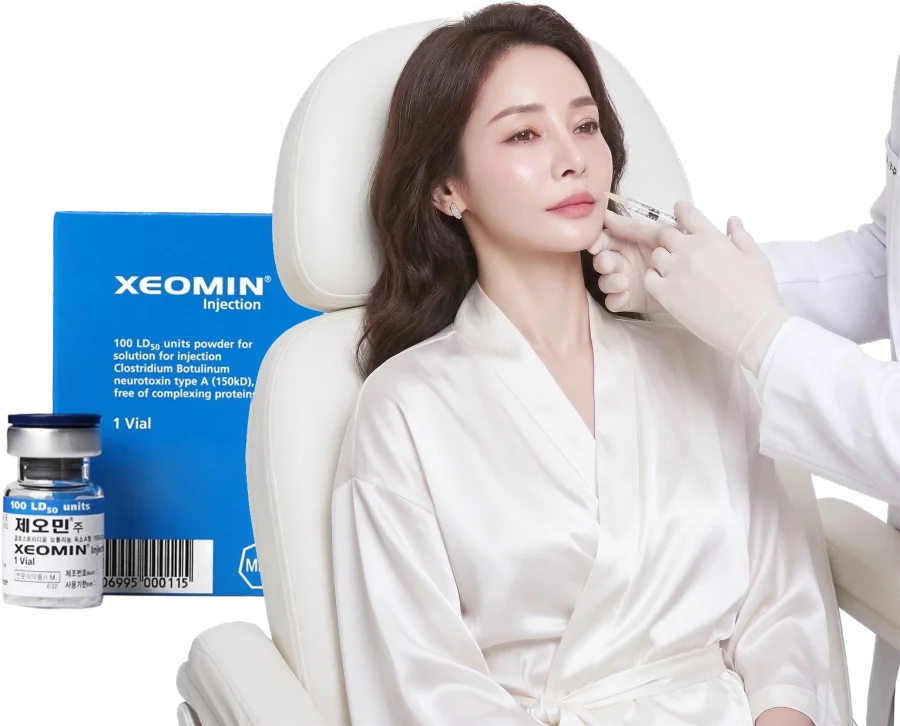
Botox / Skin Botox

  • Social downtime: 0 hours (tiny injection marks fade within hours)
  • Activity: Avoid lying flat for 4 hours, no intense exercise for 24 hours
  • Flight: Same day is fine — Botox binds to neuromuscular junctions within minutes; cabin pressure does not affect mechanism
  • Results visible: 3–7 days (full effect at 2 weeks)
  • Clinical basis: Standard botulinum toxin pharmacology — onset of action 24–72 hours, peak effect 1–2 weeks (Carruthers & Carruthers, 2009)

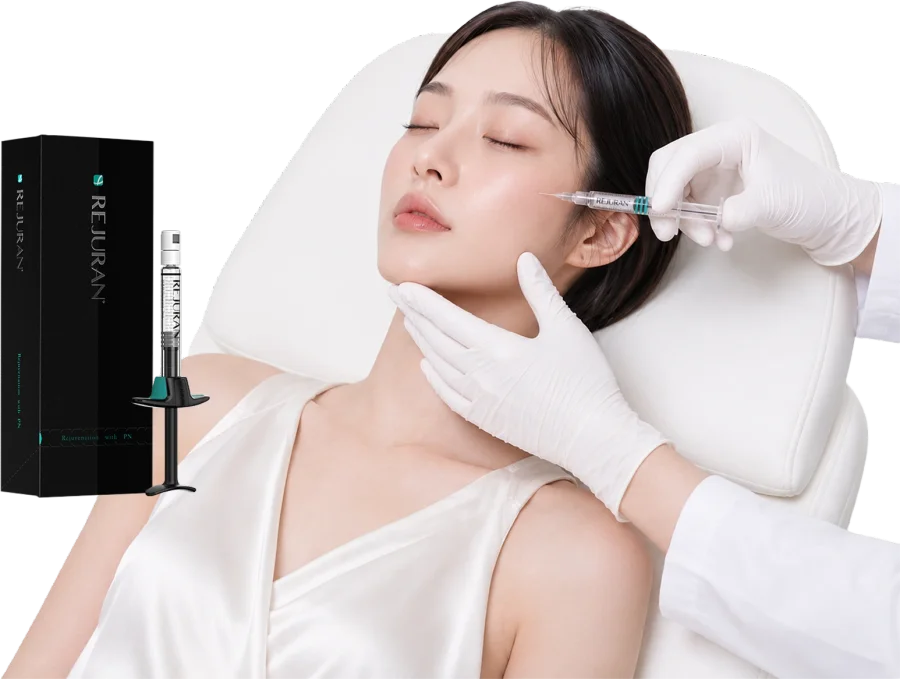
Skin Boosters (Rejuran, SkinVive)

  • Visible recovery: small injection bumps, redness, swelling or bruising may occur; the duration varies by product, technique, area and individual response
  • Activity: follow the product-specific and clinician-specific aftercare rather than assuming one rule fits every skin booster
  • Flight: same-day travel may be possible for some patients, but swelling or bruising can make it uncomfortable; discuss timing before booking
  • Results: the onset and endpoint depend on the product and treatment goal
  • Clinical basis: a 2025 PN systematic review reported mostly minor, transient injection-related reactions, while also finding heterogeneous protocols and low-to-moderate study quality (PMID: 39645667). It does not establish a universal 24-hour recovery window.

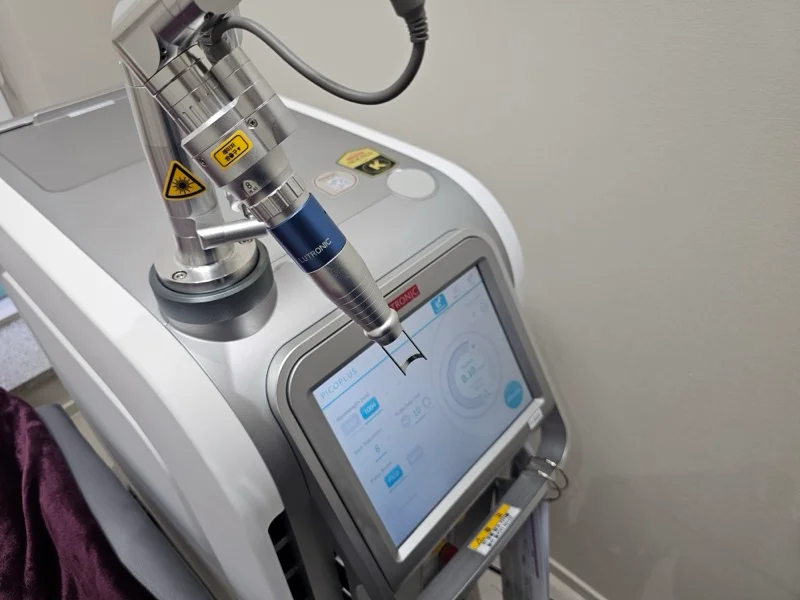
Pico Laser Toning

  • Social downtime: 0 hours (mild redness for 1–2 hours)
  • Activity: Normal immediately, sunscreen mandatory
  • Flight: Same day
  • Results visible: Gradual over multiple sessions
  • Clinical basis: Published pico-laser protocols (e.g., PicoSure, PicoWay) report transient erythema lasting 30 minutes to 2 hours at toning settings — no epidermal disruption at low fluence

PRP Therapy

  • Social downtime: 12–24 hours (redness, possible bruising from blood draw and injection)
  • Activity: Avoid intense exercise for 24 hours
  • Flight: Next day
  • Results visible: 4–6 weeks
03

Moderate downtime treatments (1–5 days)

Section 3 / 6

Plan for visible recovery signs that last several days:

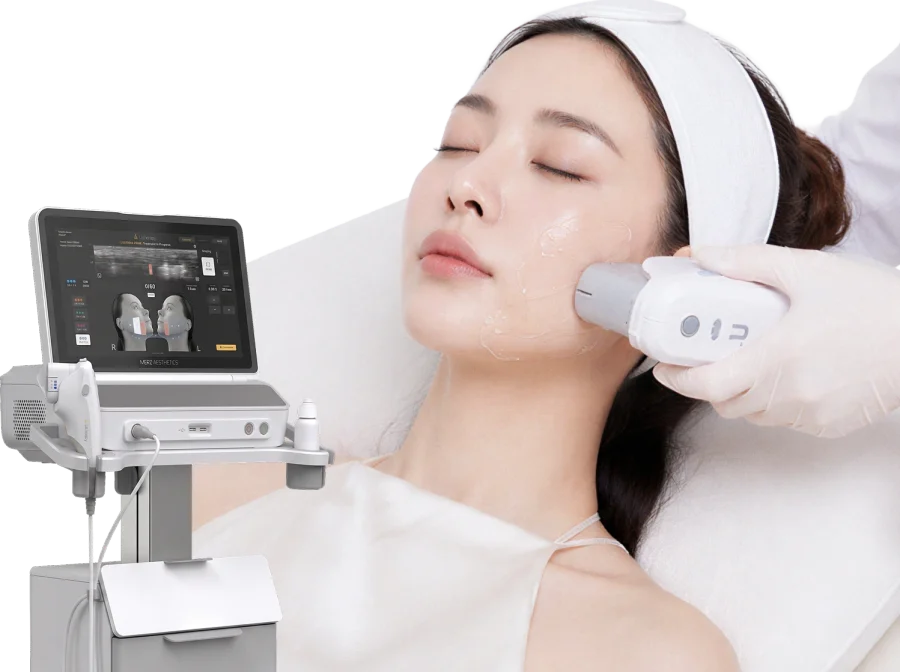
HIFU / Ultherapy

  • Social downtime: 1–3 days (swelling, tenderness, possible bruising)
  • Activity: Avoid intense exercise for 48 hours
  • Flight: Wait 24–48 hours — cabin pressure at altitude exacerbates facial swelling
  • Results visible: Gradual over 2–6 months
  • Clinical basis: Fabi (2015, Clin Cosmet Investig Dermatol, PMID: 25709486) — microfocused ultrasound reliably produces transient erythema, edema, and occasional bruising; swelling and tenderness typically peak within 24–48 hours and resolve within several days. Transient numbness or tingling is possible for 1–2 weeks in treated areas.

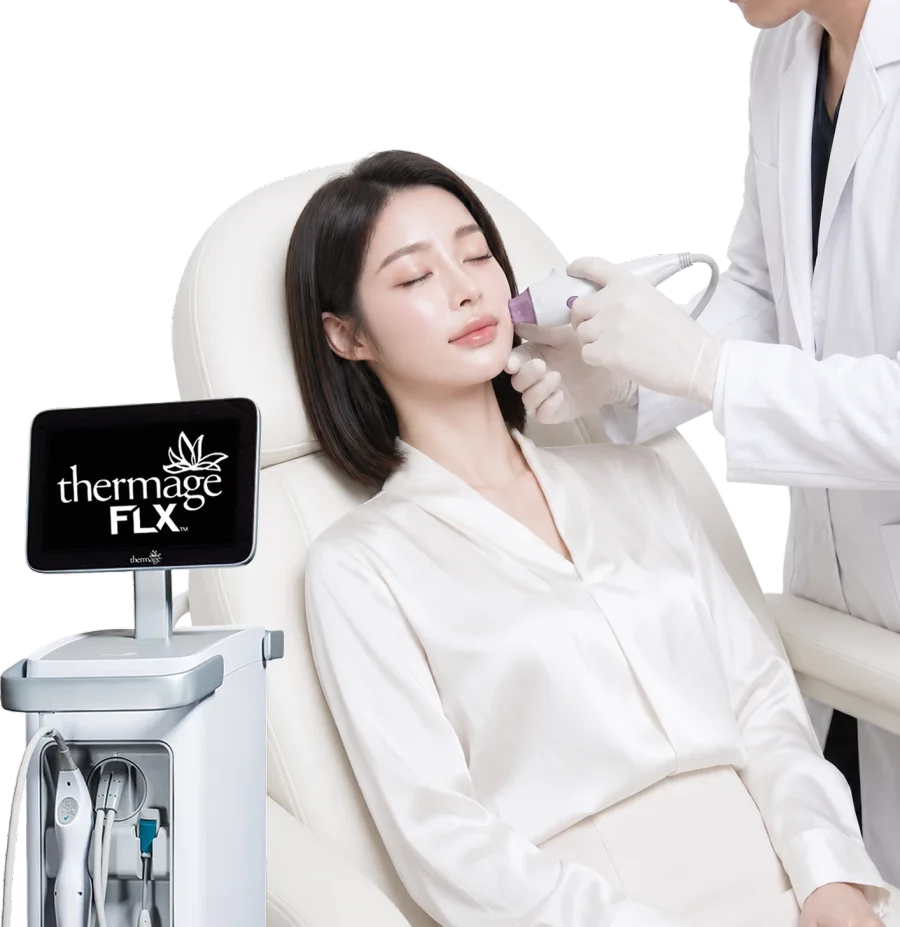
Thermage FLX

  • Social downtime: 0–1 day (redness fades within hours for most)
  • Activity: Normal within 24 hours
  • Flight: Same day or next day
  • Results visible: Gradual over 2–6 months
  • Clinical basis: Fitzpatrick et al. (2003, Lasers Surg Med, PMID: 14571447) — "erythema resolves within hours to 1 day" in the pivotal non-invasive radiofrequency tightening study. Thermage has one of the most favorable downtime profiles of any tightening device, which is a genuine clinical advantage.

Dermal Fillers (HA) — site-specific breakdown

Filler downtime varies dramatically by injection site. Most clinic websites give a single generic estimate — here is the honest breakdown:

  • Lips: Swelling peaks at 24–48 hours, bruising in 30–40% of patients, social downtime 5–7 days for natural appearance. Lips are the highest-downtime filler site.
  • Cheeks / midface: Moderate swelling for 3–5 days, bruising in 15–25%, social downtime 3–5 days
  • Jawline / chin: Mild swelling for 2–4 days, lower bruising risk (10–15%), social downtime 2–4 days
  • Under-eyes (tear trough): High bruising risk (30–50%), swelling for 5–14 days, most technically demanding site — social downtime 7–14 days. This is the site most frequently underestimated by patients.
  • Nasolabial folds: Swelling 2–4 days, bruising 15–20%, social downtime 3–5 days

Flight: Wait 24 hours minimum for all filler sites — swelling worsens with cabin pressure changes. For lip and under-eye fillers, 48–72 hours is safer.

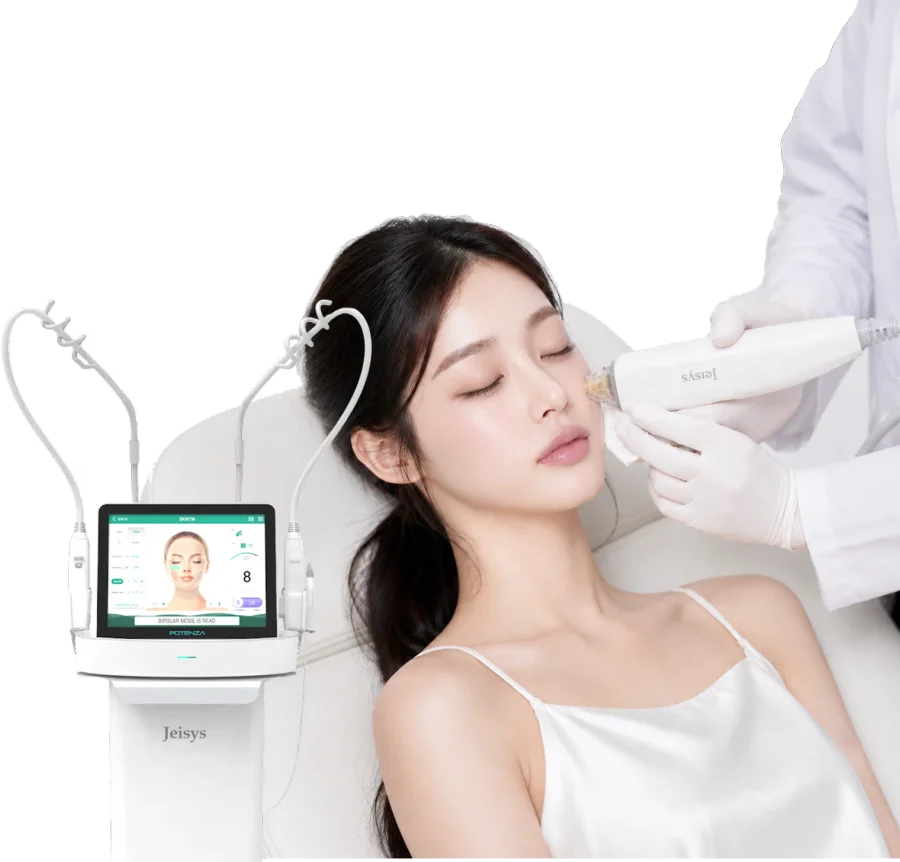
Potenza RF Microneedling

  • Social downtime: 2–5 days (redness, mild swelling, pinpoint crusting)
  • Activity: Avoid swimming, saunas, intense exercise for 48–72 hours
  • Flight: Wait 48 hours
  • Results visible: 4–6 weeks (optimal after 3–4 sessions)
  • Clinical basis: Tan et al. (2021, Dermatol Surg, comprehensive review of 42 studies, PMID: 33577211) — typical post-treatment course includes erythema for 2–5 days and pinpoint crusting for 3–5 days with bipolar RF microneedling. Depth and intensity settings significantly affect recovery — deeper settings for scars produce more downtime than superficial settings for skin quality.

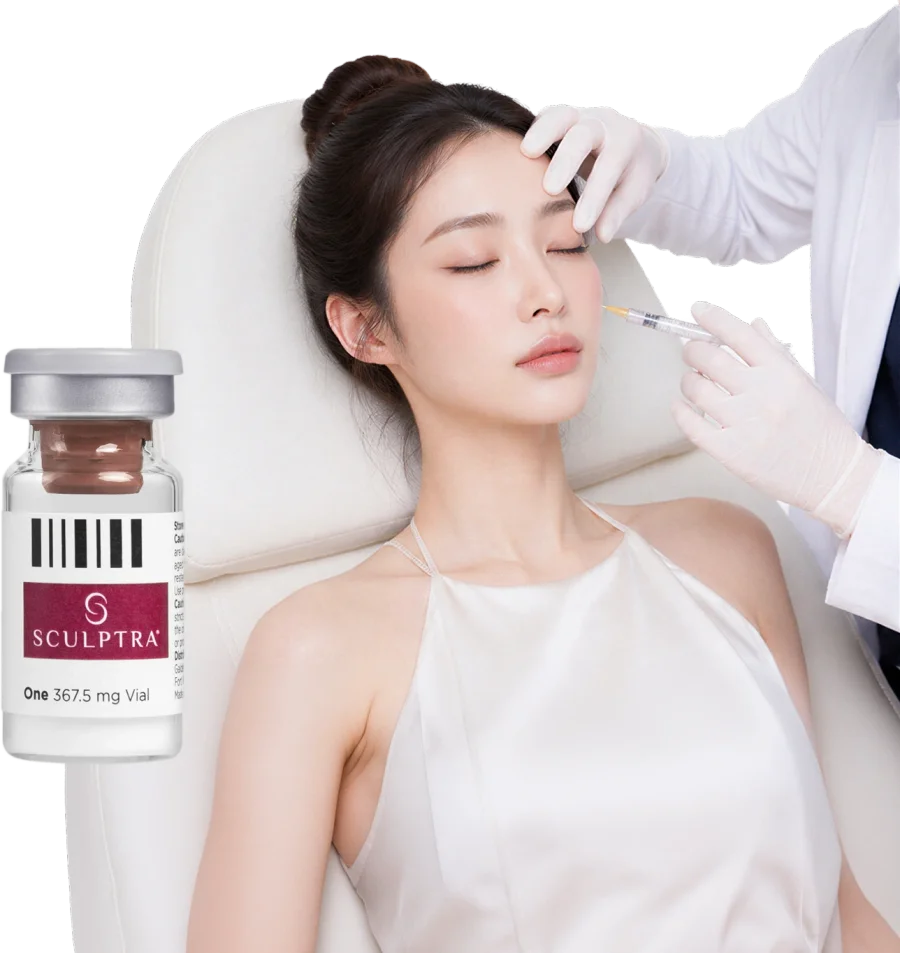
Sculptra

  • Social downtime: 1–3 days (swelling at injection sites — this is reconstitution fluid, not final result)
  • Activity: Massage 5 times daily for 5 days ("5-5-5 rule")
  • Flight: Next day is fine
  • Results visible: 4–6 weeks (gradual, peaks at 3–6 months)
04

Extended downtime treatments (5+ days)

Section 4 / 6

These require planning your Seoul stay around recovery:

Spot Clear / Pigmentation Laser (Q-switched or Pico at ablative settings)

  • Social downtime: 5–7 days (dark crusting/scabbing on treated spots)
  • Activity: Avoid sun exposure strictly for 2–4 weeks, no swimming until healed
  • Flight: Crusts must not be disturbed — flying is physically fine but cover treated areas
  • Results visible: After crusts fall off naturally (7–10 days), final result at 4–6 weeks

Fractional CO2 Laser (Ablative Resurfacing)

  • Social downtime: 5–10 days (significant redness, oozing, crusting, peeling)
  • Activity: Strict sun avoidance for 4–8 weeks, no exercise for 5–7 days, no swimming or sauna until fully healed
  • Flight: Wait 7–10 days minimum
  • Results visible: Gradual over 3–6 months per session; multiple sessions typically needed for deep scars
  • Clinical basis: Hantash et al. (2007, Lasers Surg Med, PMID: 17115384) — the landmark fractional photothermolysis study documented "erythema lasting 5–10 days, serous oozing for 3–7 days, re-epithelialization by day 7–10."

Ablative vs. non-ablative — the downtime difference: This distinction is critical for trip planning. Non-ablative fractional lasers (like Fraxel Restore, Clear+Brilliant) produce 1–3 days of redness and mild swelling. Ablative fractional lasers (like fractional CO2, Fraxel Repair) produce 5–10 days of significant visible recovery. The downtime difference is roughly 3–5 times longer for ablative treatments, but ablative treatments also produce more dramatic per-session improvement. Your dermatologist should discuss this trade-off explicitly.

Chemical Peels (Medium-Deep)

  • Social downtime: 5–10 days (peeling, redness, sensitivity)
  • Activity: No sun, no swimming, gentle skincare only
  • Flight: Wait until peeling resolves
  • Results visible: 2–4 weeks after healing

Planning tip for international patients: If you want extended-downtime treatments, plan a minimum 7-day stay in Seoul. Arrive 1 day before treatment (rest + consultation), treat on day 2, and allow 5 days of recovery before flying. For ablative laser treatments, extend to 10–12 days. For combination treatments, add extra days based on the spacing guidelines in the next section.

05

Combination treatment spacing — what can be combined and when

Section 5 / 6

International patients often want to maximize their Seoul visit by combining multiple treatments. This is medically reasonable — but spacing matters. Stacking thermal or traumatic treatments too closely increases the risk of cumulative tissue injury, prolonged inflammation, and unpredictable healing.

Important caveat: The spacing guidelines below are based on expert consensus, manufacturer recommendations, and clinical experience. Very few RCTs specifically study optimal inter-procedure spacing. Where published evidence exists, it is cited.

Same-day combinations (generally safe):

  • Botox + dermal fillers — well-established same-day protocol. Inject Botox first (smaller volume, less tissue disruption), fillers second. Widely practiced and supported by clinical consensus.
  • Botox + HIFU/Ultherapy — Botox first, HIFU second. The ultrasound energy does not significantly affect Botox binding.
  • Botox + skin boosters — same-day is fine when treating different zones (e.g., Botox in forehead, skin booster in cheeks).
  • Pico toning + skin boosters — non-ablative laser at toning settings produces minimal tissue disruption; skin boosters can follow.

2–4 week spacing recommended:

  • HIFU/Ultherapy + radiofrequency (Thermage/Potenza) — both are thermal treatments targeting collagen. Stacking thermal energy too closely can cause excessive collagen denaturation rather than controlled remodeling. Minimum 2 weeks, ideally 4 weeks between sessions.
  • Dermal fillers + laser treatments — laser energy can theoretically accelerate HA filler degradation. Wait 2–4 weeks after fillers before any laser treatment on the same area. If laser is done first, fillers can follow after erythema resolves (typically 1–2 weeks).
  • RF microneedling + skin boosters — microneedling creates controlled micro-injuries; adding injectables to compromised skin barrier increases infection risk. Wait 2 weeks minimum.

4–12 week spacing required:

  • Ablative laser + any other treatment on the same area — ablative resurfacing requires full re-epithelialization and barrier recovery before additional procedures. Wait 4–8 weeks for non-thermal treatments, 8–12 weeks before additional thermal treatments on the same area.
  • Deep chemical peel + any energy device — similar logic; the skin barrier must fully recover before thermal or mechanical disruption.

The key principle: Thermal treatments (HIFU, Thermage, RF microneedling, ablative laser) should not be stacked closely on the same tissue. Cumulative thermal injury exceeds the tissue's remodeling capacity and increases the risk of prolonged erythema, textural changes, or scarring. Non-thermal treatments (Botox, fillers, skin boosters at standard volumes) can generally be combined more freely because they do not produce thermal tissue damage.

At Gangnam Delight Dermatology, we help international patients build a realistic schedule during the pre-visit consultation — matching treatment ambitions to available time in Seoul, with evidence-based spacing between procedures.

06

Sources

Section 6 / 6

  1. Fabi SG. Noninvasive skin tightening: focus on new ultrasound techniques. Clin Cosmet Investig Dermatol. 2015;8:47-52. PubMed
  2. Fitzpatrick R, et al. Multicenter study of noninvasive radiofrequency for periorbital tissue tightening. Lasers Surg Med. 2003;33(4):232-242. PubMed
  3. Hantash BM, et al. Bipolar fractional radiofrequency treatment induces neoelastogenesis and neocollagenesis. Lasers Surg Med. 2009;41(1):1-9. PubMed
  4. Tan MG, Jo CE, Chapas A, Khetarpal S, Dover JS. Radiofrequency microneedling: a comprehensive and critical review. Dermatol Surg. 2021;47(6):755-761. PubMed
  5. Jeong GJ, Ahn GR, Park SJ, Hong JY, Kim BJ. A randomized, patient/evaluator-blinded, split-face study to compare the efficacy and safety of polycaprolactone and polynucleotide fillers in the correction of crow's feet. J Cosmet Dermatol. 2020;19(7):1593-1599. PubMed
  6. Carruthers J, Carruthers A. Botulinum toxin type A: a review. J Am Acad Dermatol. 2009;61(4):S1-S10.

FAQ

Frequently Asked Questions

Can I fly the same day as my treatment?

For Botox, pico laser toning, and Thermage — generally yes. For fillers — wait at least 24 hours, longer for lips (48–72 hours) and under-eyes due to cabin pressure exacerbating swelling at 6,000–8,000 ft equivalent altitude. For HIFU/Ultherapy (Fabi 2015 — transient erythema, edema and occasional bruising peaking around 24–48 hours) — wait 24–48 hours. For Potenza RF microneedling (Tan et al. 2021 — erythema 2–5 days) — wait 48 hours. For ablative laser — wait 7–10 days minimum.

What if I have a social event after treatment?

Tell your dermatologist during consultation. Treatment intensity and modality can often be adjusted to match your schedule. For example, non-ablative fractional laser (1–3 days downtime) instead of ablative (5–10 days), or lighter RF microneedling settings with 2–3 days recovery instead of aggressive settings with 5 days. Honest scheduling discussions lead to better outcomes than rushing recovery.

Can I combine multiple treatments to save time?

Yes, but with evidence-based spacing. Same-day combinations that work well: Botox + fillers, Botox + HIFU, pico toning + skin boosters. Combinations requiring 2–4 weeks apart: HIFU + Thermage (both thermal), fillers + laser on the same area. Combinations requiring 4–12 weeks: ablative laser + anything else on the same area. The key principle is that thermal treatments should not be stacked closely — cumulative thermal injury increases risk beyond what the tissue can safely remodel.

How many days should I plan for a Seoul dermatology trip?

For minimal-downtime treatments (Botox, boosters, toning): 2–3 days. For moderate-downtime treatments (HIFU, Thermage, fillers): 3–5 days, but 5–7 days if getting under-eye or lip fillers. For extended-downtime treatments (ablative laser, fractional CO2): 10–12 days based on Hantash et al. (2007) recovery data. For combination protocols with thermal spacing requirements: add 2–4 weeks between thermal procedures, which may require multiple visits. When in doubt, plan longer — you can always enjoy Seoul if recovery is faster than expected.

Related Procedures

Related procedure pages to review next.

If you need more detail about treatment approach, recovery, or suitability, continue into these procedure pages.

Botox in Seoul | Wrinkle Relaxer & Preventative Anti-Aging

Injectable Dermatology

Botox

Botox in Seoul by a board-certified dermatologist focused on anatomy, proportion, natural movement, and preventative anti-aging in Gangnam.

expression linesfacial balance and soft prevention-focused carepatients worried about frozen or overdone results
Open procedure page
Rejuran in Seoul | Product Identity & Evidence Guide

Publication hold · product and protocol verification

Rejuran

This page is retained to explain product identity, evidence limits, and questions to verify before planning. It does not confirm clinic availability, variants, a protocol, a price, or an outcome timeline.

Product identity and evidence limitsQuestions to verify before treatment planning
Open procedure page
Ultherapy Seoul | Board-Certified Lifting Specialist

Non-surgical Lifting

Ultherapy Prime

Ultherapy is a brand-name microfocused-ultrasound platform with imaging. Published studies report variable change in selected patients; candidate selection, anatomy, area, transducer, settings, risks, recovery, and expectations require individual assessment. It does not guarantee lifting or replace surgery.

early laxity and lower-face softeningjawline definitionpatients comparing HIFU, Ultherapy, and Thermage
Open procedure page
Thermage FLX in Seoul | Solta Medical RF Skin Tightening

Solta Medical · AccuREP Technology

Thermage FLX

Thermage FLX is a monopolar radiofrequency platform. Published studies report variable and generally modest tightening in selected patients; tip, area, settings, risks, recovery, and expectations require individual assessment. It does not guarantee jawline change or replace surgery or volume treatment.

skin firmness and mild laxitypatients wanting a tightening-focused planpatients comparing Thermage with Ultherapy or boosters
Open procedure page
Skin Booster in Seoul | Product Identity & Evidence Guide

Publication hold · product and protocol verification

Skin Booster

This page is retained to explain product identity, evidence limits, and questions to verify before planning. It does not confirm clinic availability, variants, a protocol, a price, or an outcome timeline.

Product identity and evidence limitsQuestions to verify before treatment planning
Open procedure page
Potenza RF Microneedling in Seoul | Scars, Pores & Tightening

RF Microneedling · Cynosure (Lutronic)

Potenza

Potenza RF microneedling in Seoul by a board-certified dermatologist. Developed by Cynosure (Lutronic) — primarily for acne scars, enlarged pores, and skin texture; mild skin firming is a secondary effect.

Acne scars (ice pick, boxcar, rolling)Enlarged pores and rough textureStretch marks and body scars
Open procedure page
One Day Spot Clear in Seoul | Laser Pigmentation Treatment

Single-Visit Multi-Modality

Spot Clear

Spot Clear combines targeted laser treatment with adjunctive care to address sun spots, age spots, and uneven tone in one carefully sequenced visit. Designed for patients who want a clear, dermatologist-led plan rather than a generic same-day promo. Most treated lesions form a thin microcrust within 24 hours and flake off over the following 5–7 days, after which the brightening becomes visible.

discrete sun spots (solar lentigines)age spots and seborrheic keratosespost-inflammatory hyperpigmentation from acne
Open procedure page
Sculptra in Seoul | PLLA Treatment Decisions

Injectable PLLA · individualized decision guide

Sculptra

Sculptra Aesthetic is an injectable poly-L-lactic acid (PLLA) dermal implant in the U.S. FDA PMA record. It is not hyaluronic-acid filler. Whether it fits a concern, and the treatment and follow-up plan, require individual assessment.

Whether a gradual PLLA approach matches the actual contour concernChoosing between PLLA, hyaluronic-acid filler, and skin-quality treatmentUnderstanding delayed change, limits, and the absence of an immediate result promise
Open procedure page
Gangnam, Seoul

Personalized dermatology care in Gangnam for local and overseas patients.

Delight Dermatology Clinic focuses on doctor-led consultation, warm service, and personalized treatment planning.

Clinic

Delight Dermatology Clinic

4th Floor, Building B, 509 Gangnam-daero

Seocho-gu, Seoul, South Korea

Parking is available in the building.

02-517-9991

Mon - Fri: 10:00 - 20:00

Lunch break: 13:00 - 14:00

Saturday: 10:00 - 16:00

Sunday and public holidays: Closed

Location

Gangnam · Seocho-gu, Seoul

Find directions

Clinic Name: 딜라이트피부과의원Representative: 윤상열Tel. 02-517-9991Business Registration No.: 357-15-02460Privacy PolicyTerms of Use
Registered Foreign Patient Medical Institution
Officially registered by the Ministry of Health and Welfare of the Republic of Korea (Reg. No. M-2024-01-08-8248) · 외국인환자 유치의료기관

Medical information on this site is for reference only and does not constitute medical advice. Individual results may vary. Consult a board-certified dermatologist for diagnosis and treatment planning.