
Autumn & Winter Moisturizing: Beating Seasonal Dry Skin
As humidity drops, skin dries, tightens and flakes. A Seoul dermatologist explains why winter dryness happens and how to protect your skin barrier.
This is an English adaptation of a clinical article Dr. SangYoul Yun: board-certified dermatologist and Medical Director of Delight Dermatology in Gangnam, Seoul, originally published in Korean. Read the Korean original on Naver. It has been restructured and translated for international readers.
As autumn settles in and the mornings turn crisp, skin that was sweaty and oily all summer starts to feel increasingly dry and rough, and the surface can begin to scale and peel. So why does the face lose water and become dry in the first place?
How the skin barrier holds water
The skin barrier contains lipids and natural moisturizing factor (NMF).
- An adequate amount of lipid builds a protective barrier that holds water in the skin. When lipids run low, skin becomes dry and tight.
- NMF draws water in and binds it to the stratum corneum and the upper skin layers. When NMF is deficient, dryness also develops.
Four causes of dry skin
- External environment. Dryness develops as autumn and winter humidity drops.
- Improper cleansing. Washing once a day to remove sebum is fine, but washing too often or scrubbing hard damages the skin barrier and triggers dryness.
- UV exposure. The ever-present culprit, UV, accelerates water evaporation from the skin, causing dryness.
- Other factors. Aging, atopic dermatitis, psoriasis, diabetes, and medications such as diuretics can all contribute.
How to manage seasonal dryness
1. Adjust daily habits
- Cut down on time spent outdoors in the cold.
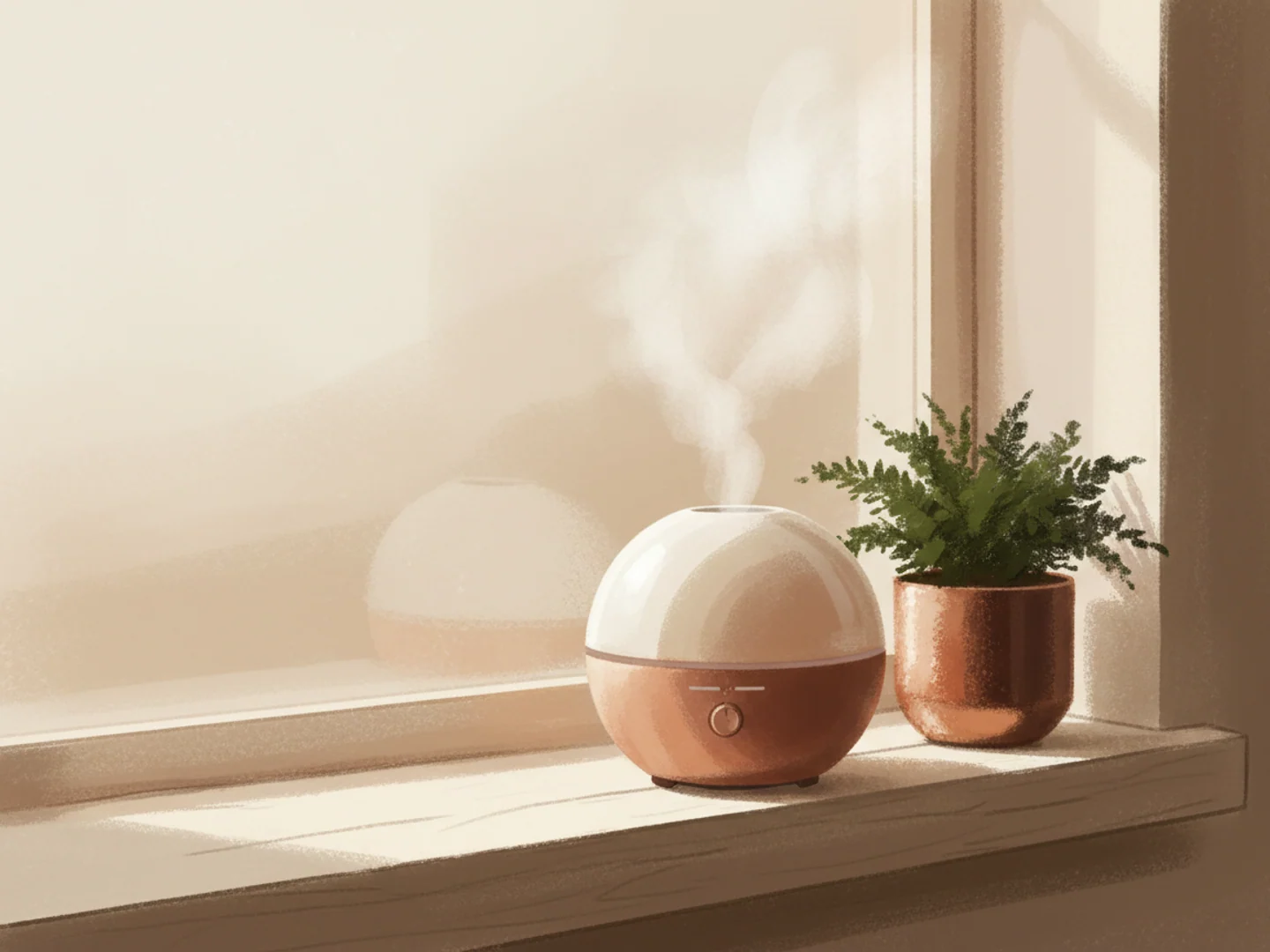
- When using indoor heating, run a humidifier to avoid dry air.
- Take quick, lukewarm showers rather than hot ones.
2. Replenish water
During dry seasons, drink enough water to keep your body hydrated from within.
3. Moisturize
Apply moisturizer frequently to prevent the skin from drying out. If you produce a lot of sebum, choose a formulation that holds water rather than one heavy in oils.
4. Hydrating "glow" injections
This is a treatment that injects hyaluronic acid (HA) directly into the skin. It offers antioxidant benefits along with hydration, brightening, firmness and improvement of fine lines. The procedure is short and simple, making it easy to undergo. Because it uses HA (a substance that already exists in the skin), allergic reactions and inflammation are uncommon. It can be delivered by hand injection or with a Dermashine device (which tends to be less painful). HA is biodegradable, so it is naturally resorbed over time. I generally recommend about three sessions at one-month intervals. Small raised bumps ("embossing") may appear afterward but usually fade within 3–5 days.
The single most important thing for beating autumn and winter dryness is moisturizing. Hydrating injections such as HA "glow" injections belong to our skin booster family, and consistent daily care sits at the heart of any good skin-care routine. If simple moisturizing isn't enough to overcome the dryness, I'd recommend seeing a dermatologist for moisturizing treatment.
For a deeper look at the evidence behind barrier-repair routines this season, DermatologyNews’ autumn skin-barrier review is a good companion read.
Medical disclaimer. This article is general information and does not replace individual consultation. Persistent or severe dryness (and conditions such as atopic dermatitis or psoriasis) should be assessed by a dermatologist in person, and treatment suitability decided in consultation.
Notice: The information in this article is for general educational purposes only and does not constitute medical advice. Individual treatment plans are determined through personal consultation with a board-certified dermatologist. Results may vary.
Related Procedures