
What Really Changes Inside Your Skin After Thermage
A board-certified Seoul dermatologist explains, with before-and-after biopsy findings, how monopolar RF Thermage raises dermal collagen and elastin over 2 to 6 months.
This is an English adaptation of a clinical article Dr. SangYoul Yun (board-certified dermatologist and Medical Director of Delight Dermatology in Gangnam, Seoul), originally published in Korean. Read the Korean original on Naver. It has been restructured and translated for international readers; all references are the author's own.
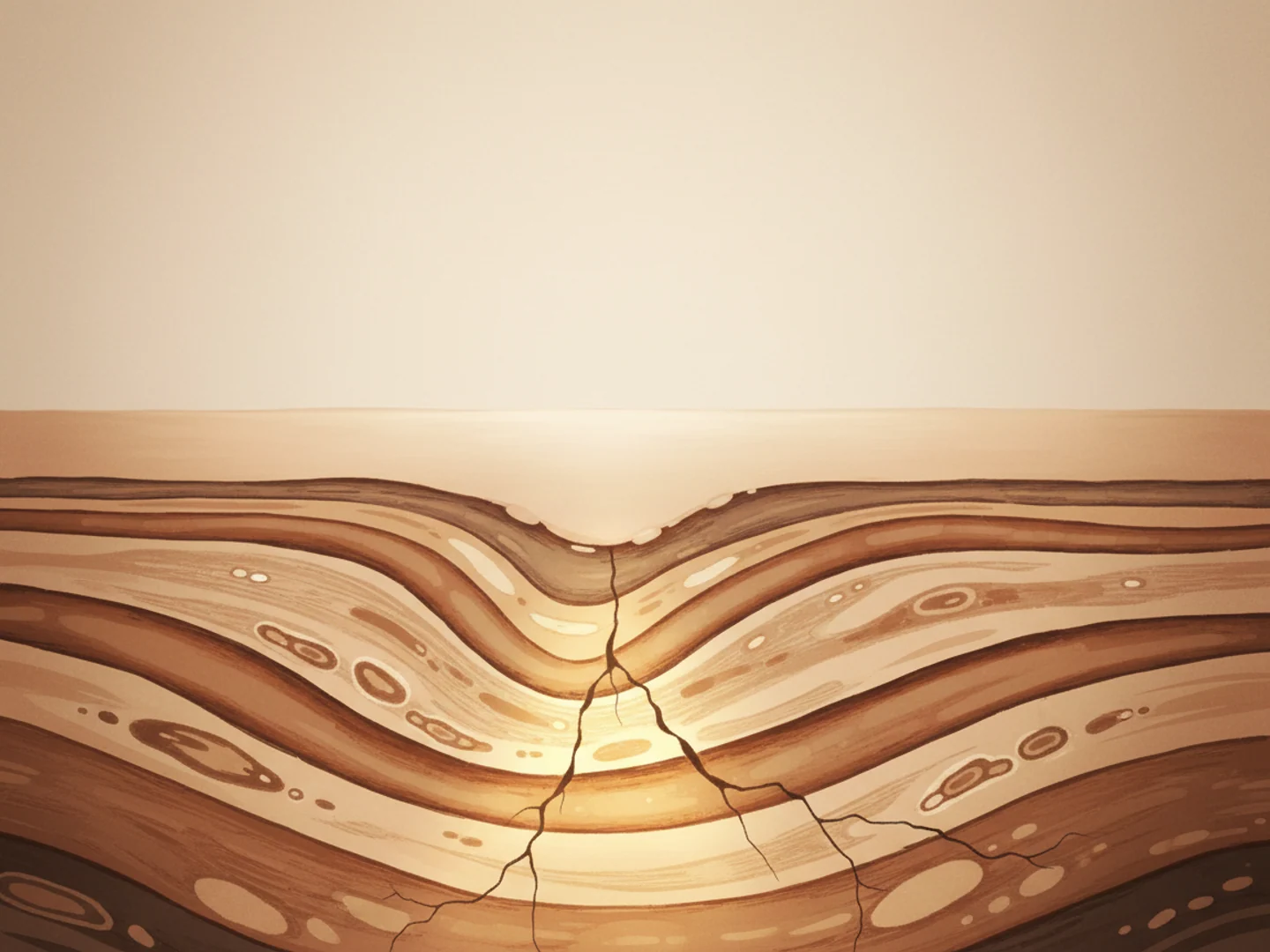
When skin ages, deeper wrinkles set in, elasticity decreases, and the skin begins to sag. One way to treat that loss of elasticity non-invasively is with monopolar radiofrequency. Here is what actually happens inside the skin after Thermage, the leading monopolar RF device, based on biopsy findings.
How Thermage works
Thermage cools and protects the epidermis while delivering bulk heat to the dermis. That heat acts on the dermis and its fibrous septa, contracting collagen and then driving its remodeling. In other words, collagen that has lost its elasticity and stretched is denatured by the radiofrequency heat and then regenerated.
What the biopsies showed
In the study this article draws on, subjects aged 26–78 (mean 48.8) were treated with Thermage FLX at intensity levels of 1.5–3.0, and biopsies were taken before treatment and at 2 months and 6 months. The dermal tissue was compared over those time points, and special staining was used to look specifically at collagen and elastin.
The result: dermal collagen and elastin fibers increased. Quantitatively, collagen fibers increased progressively at 2 and 6 months in the papillary dermis, upper reticular dermis, and lower reticular dermis, and elastic fibers increased as well. The increase in collagen was statistically significant particularly in the papillary dermis and the lower reticular dermis, and the cohesion of the collagen fibers also increased at 2 and 6 months compared with baseline.
| Time point | What was seen |
|---|---|
| Before treatment | Baseline dermis; elastic fibers barely visible in the papillary dermis due to aging |
| 2 months | Collagen and elastic fibers increased; change becoming prominent |
| 6 months | Further improvement maintained; significant increase in collagen in the papillary and lower reticular dermis |
Specifically, elastic fibers had increased after 2 months, and elastic fibers that had been almost absent from the papillary dermis due to aging became visible in the papillary dermis again.
What this means for the result
A single treatment can already produce visible improvement in the jaw line, fine wrinkles, and overall skin elasticity. The change becomes prominent at around 2 months and continues to improve, with results maintained at 6 months. This study followed patients to 6 months, but other studies report that the tensile strengthening of collagen fibers can last up to a year.
In short, Thermage cools the epidermis to protect it while heating the dermis, inducing an increase in dermal collagen and elastic fibers across every age group from the 20s to the 70s, and thereby improving sagging and wrinkles. Because the effect lasts from 6 months to a year, the number of sessions needed is low, a major convenience for many patients.
For more on Thermage settings, side effects, and who it suits best, see our companion article, a clinical update on Thermage.
Reference
Medical disclaimer. This article is general information and does not replace individual consultation. Whether Thermage suits you, and the appropriate intensity, should be decided after an in-person consultation with a dermatologist.
Dedicated in-depth resource site operated by Delight Dermatology: thermage-seoul.com
Notice: The information in this article is for general educational purposes only and does not constitute medical advice. Individual treatment plans are determined through personal consultation with a board-certified dermatologist. Results may vary.
Related Procedures