
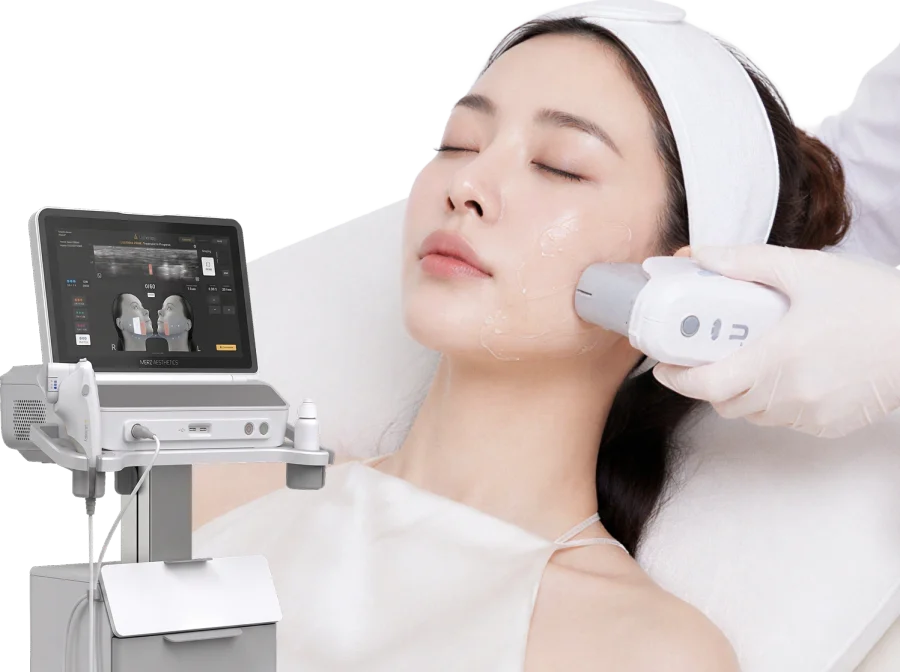
HIFU 类别 · “超声刀”俗称 · Ultherapy 品牌平台
Ultherapy Prime(Ulthera System)
Ultherapy 是带成像功能的品牌微聚焦超声(MFU-V)平台。已发表研究在经过筛选的患者中报告的变化存在个体差异;解剖条件、部位、探头、参数、风险、恢复和预期均需个别评估。它不能保证提拉效果,也不能替代手术。
HIFU 和超声刀的区别Ultherapy 是否适合轻至中度面部或颈部松弛下颌线、眉部或颈部的非手术改善目标
查看项目页面
指南目录
Ultherapy 与韩国 HIFU 采用聚焦超声,Thermage 采用弥散分布的单极射频。对比它们的组织作用、设备特点、恢复情况及首尔报价的影响因素。
章节 1 / 6
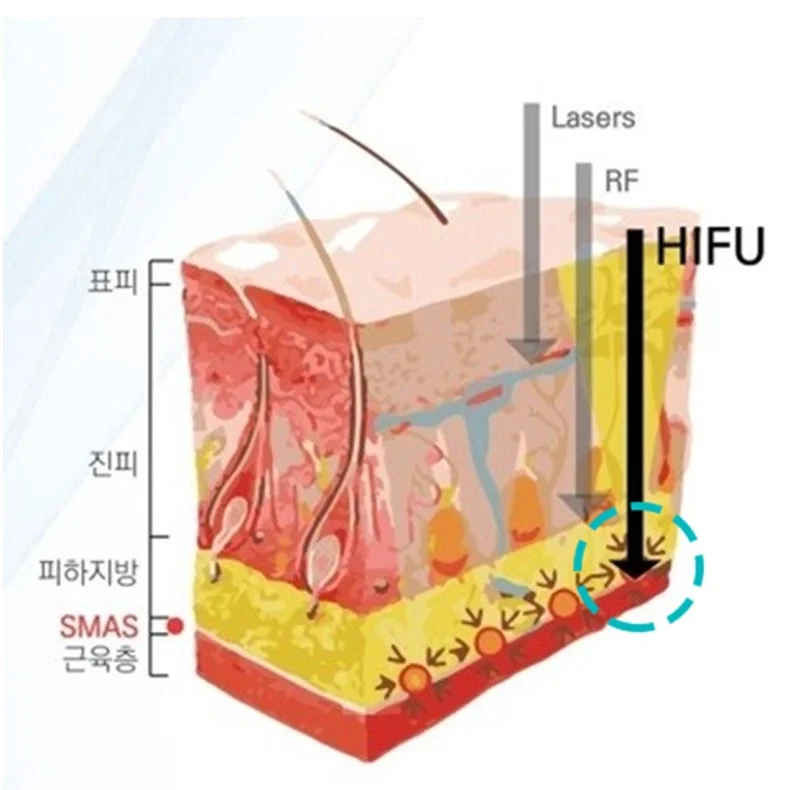
应根据组织层面的问题来选择,而非凭最熟悉的品牌名。Ultherapy Prime 与韩国 HIFU 在选定深度形成聚焦超声治疗点;Thermage FLX 则将单极射频较为弥散地作用于真皮及皮下组织。不应把它们当作价位不同的同一种治疗来排序。
目前没有已发表的随机对照头对头试验证明这三者中哪一种对所有面部都最好。一次有价值的面诊,应结合具体诉求、解剖结构、治疗区域、设备型号、参数设置、证据、耐受度、恢复期以及书面报价来综合比较。
一个能避免许多错误比较的术语要点:“HIFU”是一个统称类别。Ultherapy 是获 FDA 510(k) 准许上市、并整合了 DeepSEE 可视化的 MFU-V 设备。在首尔,诊所所说的“HIFU”往往指韩国产设备,例如 Shurink Universe(Ultraformer MPT)或 Doublo Gold。请确认具体型号:各款韩国设备在功能、监管状态、操作方案和证据上并不完全相同。
如需了解支持性研究与设备层面的细节,可继续阅读本指南,或参阅更专门的HIFU 与 Ultherapy 证据对比以及韩国 HIFU 设备指南。
章节 2 / 6
真正有意义的差异在于:能量来源、加热是聚焦式还是弥散式、设备的可视化功能,以及针对个体解剖结构所制定的治疗方案。
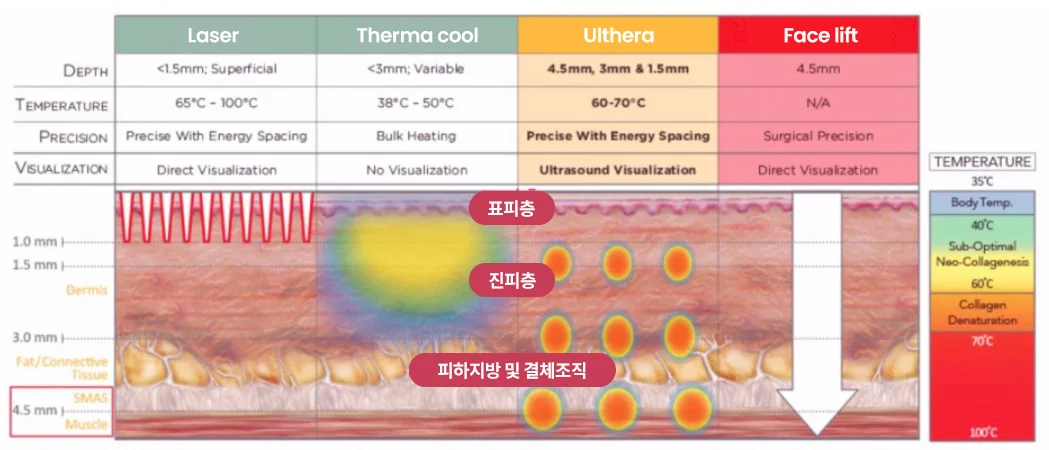
Ultherapy Prime(MFU-V):其换能器在 1.5、3.0 和 4.5 mm 的标称深度形成分散的热凝固点。整合的 DeepSEE 系统可将组织可视化至 8 mm,并在发射前显示计划中的治疗线。Ultherapy 拥有针对特定适应症的 FDA 510(k) 许可;许可并不等同于对疗效的保证。
韩国 HIFU 设备:Ultraformer MPT、Doublo Gold 等系统同样采用聚焦超声,但它们的治疗头、脉冲模式、可视化功能、监管许可和临床证据并不能相互等同。Ultraformer MPT 具备常规与微脉冲模式,Doublo Gold 则强调双向发射。请确认具体的设备与型号,而不要把“韩国 HIFU”视作一套统一的标准方案。
Thermage FLX(单极射频):射频电流在治疗头与回路电极板之间通过,同时表面冷却保护表皮。与上述分散的超声治疗点不同,单极射频在真皮及皮下组织中产生范围更广、更为弥散的加热。一项人体组织计量学对比研究发现,HIFU 在真皮网状层深部产生的重塑作用最为明显,而单极射频则在多个真皮层次引起胶原变化(Suh 等,2015)。因此,把 Thermage 简化为恰好 2–3 mm 的深度,或声称射频只作用于浅层组织,都会造成误导。Thermage FLX 依据 K170758 获 FDA 510(k) 准许上市。
合理的比较在于:在选定深度进行的聚焦超声,与弥散式单极射频加热之间的比较。单凭作用机制本身,并不能决定哪种方案更合适,也无法决定某位患者会出现多大程度的可见变化。
章节 3 / 6
看表之前需要说明的一点:目前没有已发表的随机对照试验,在相同方案和结局指标下直接比较过这三种指定方案。下表是根据设备资料和各自独立研究整理出的参考性工具,而非优劣排行榜。
| Ultherapy Prime | 韩国 HIFU (因型号而异) | Thermage FLX | |
|---|---|---|---|
| 能量 | MFU-V 超声 | 聚焦超声 | 单极射频 |
| 热作用方式 | 在选定治疗头深度形成分散的治疗点 | 分散或微脉冲式治疗点,视型号与模式而定 | 真皮及皮下组织的弥散加热 |
| 标称治疗深度 | 1.5 / 3.0 / 4.5 mm | 通常为 1.5 / 3.0 / 4.5 mm;请核实治疗头与型号 | 没有单一固定深度;分布随组织、治疗头、阻抗和参数而变化 |
| 可视化 | 整合的 DeepSEE 成像,可达 8 mm | 因设备而异;不等同于 Ultherapy 的 DeepSEE 系统 | 无超声成像;系统监测接触与阻抗 |
| 美国监管状态 | 针对特定适应症的 FDA 510(k) 许可 | 因具体设备而异;不要从“HIFU”这一类别推断其已获 FDA 510(k) 准许上市 | FDA 510(k) K170758 |
| 证据 | 在这些超声方案中,已发表的 MFU-V 证据积累最多 | 证据在增加,但因型号而异且规模较小 | 单极射频文献积累已久;方案与设备各有不同 |
| 疗程与维持 | 并非仅凭类别就能确定。治疗区域、线数或发数(REP)方案、参数、反应情况以及医生评估,共同决定单次时长与复诊评估。 | ||
| 首尔价格比较 | 只有在具体设备、治疗区域、线数或发数(REP)、医生、所含项目、税费和随访均一致时,才比较书面报价。 | ||
该如何理解:超声设备在选定深度形成聚焦治疗点,Thermage 则以更弥散的方式施加射频。二者可通过不同的组织作用应对相互重叠的诉求,但证据并不支持存在适用于所有患者的通用最优选择或标准组合方案。
价格并不能代表作用机制或质量。品牌、耗材、治疗范围、设备功能、诊所条款以及市场定位都可能影响报价。请查阅当前的诊所价格页面了解 Delight 公布的价格区间,并在评估后索取逐项列明的治疗方案。
章节 4 / 6
这些治疗通常在规划时不需要严格意义上的社交恢复期,但这并不意味着治疗后不会有任何感觉或可见反应。
恢复情况因人而异。请索取书面的术后护理说明;若出现疼痛、乏力、水疱、明显肿胀或感觉异常且较为严重或持续不退,请联系诊所。
在费用方面,应比较治疗方案,而非品牌名称。报价应写明设备与型号、治疗区域、超声线数或 Thermage 发数(REP)、医生、税费、所含护理及随访。Delight 当前的价格区间维护在价格页面上,因此本指南不会在优惠价格变动后仍将其固定不变。
章节 5 / 6
一次有价值的面诊,应从诉求和检查入手,再明确设备与治疗方案。以下几类情况只是用于引导这种讨论的提示,并非远程诊断。
如果主要诉求是肤质或大范围松弛:
如果主要诉求是眉部、下面部或颈部的局部提升:
如果同时存在多种诉求:
如果主要诉求属于其他类型:
一个有用的面诊问题:“哪种方案你不会推荐给我,又是哪些检查发现让它被排除?”一个站得住脚的回答,应把推荐与解剖结构、预期获益、局限性、风险、替代方案以及具体设备联系起来,而不是与套餐折扣挂钩。
章节 6 / 6
常见问题
并不存在一个有证据支持的默认最优选择。Ultherapy Prime 与韩国 HIFU 形成聚焦超声治疗点,而 Thermage FLX 则以更弥散的方式施加单极射频。选择应在对诉求和治疗区域进行检查之后再做出,然后比较具体设备、可视化功能、计划参数、证据、风险、恢复期以及书面报价。
当诉求和治疗区域不同时,医生可能会考虑采用一种以上的方式,但没有随机对照试验确立过一套通用的三设备联合方案。请询问为何需要每一种设备、治疗区域是否重叠、如何管理累积能量与时间安排,以及相较于单一方式预期能带来哪些额外获益。不应仅仅因为品牌不同,就默认同时使用 Ultherapy 和另一款 HIFU 设备会带来额外获益。
仅凭设备类别无法推断出性价比。应比较具体型号、治疗区域、线数或发数(REP)、医生、所含护理、预计的复诊评估间隔,以及是否确有再做一次治疗的指征。韩国 HIFU 单次报价较低,涵盖的范围仍可能与 Ultherapy 或 Thermage 的报价不同,因此应比较逐项列明的方案,而不是看标示价格或假定的年度安排。
FDA 510(k) 准许上市、韩国 MFDS 认证以及其他司法辖区的合规途径,是不同的监管事实;单凭其中任何一项,都不能证明每一套方案都同样安全或有效。请核实具体的设备与许可,而不要从“韩国 HIFU”这一说法笼统概括。已发表的韩国队列研究报告的多为一过性不良反应,但这些证据因型号而异,规模也小于 Ultherapy 的 MFU-V 文献,而且各类聚焦超声治疗都有罕见并发症的报告。
在同意之前,请要求逐一说明每种设备的理由。诊所应书面记录治疗区域、计划的能量或线数、重叠情况、先后顺序、预期的额外获益、重要风险,以及为何当天一次做完优于分阶段方案。目前没有通用的随机对照证据确立“一天内做完三种”是一套标准方案,因此仅凭套餐名称并不足以构成临床依据。
相关项目
如果您还想进一步了解治疗方向、恢复安排或是否适合自己,可以继续查看下面的项目页面。
HIFU 类别 · “超声刀”俗称 · Ultherapy 品牌平台
Ultherapy 是带成像功能的品牌微聚焦超声(MFU-V)平台。已发表研究在经过筛选的患者中报告的变化存在个体差异;解剖条件、部位、探头、参数、风险、恢复和预期均需个别评估。它不能保证提拉效果,也不能替代手术。
紧致与肤质
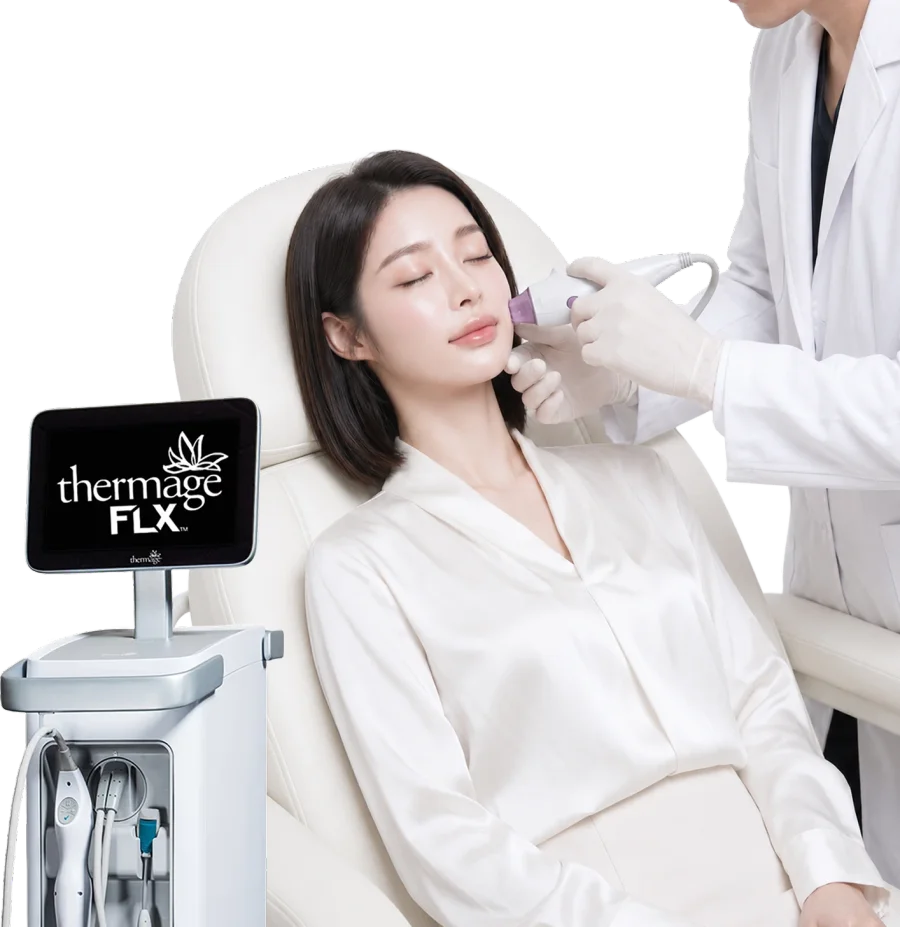
Thermage FLX 是单极射频平台。已发表研究在经过筛选的患者中报告的紧致变化存在个体差异,且通常较温和;探头、部位、参数、风险、恢复和预期均需个别评估。它不能保证下颌线变化,也不能替代手术或容量治疗。
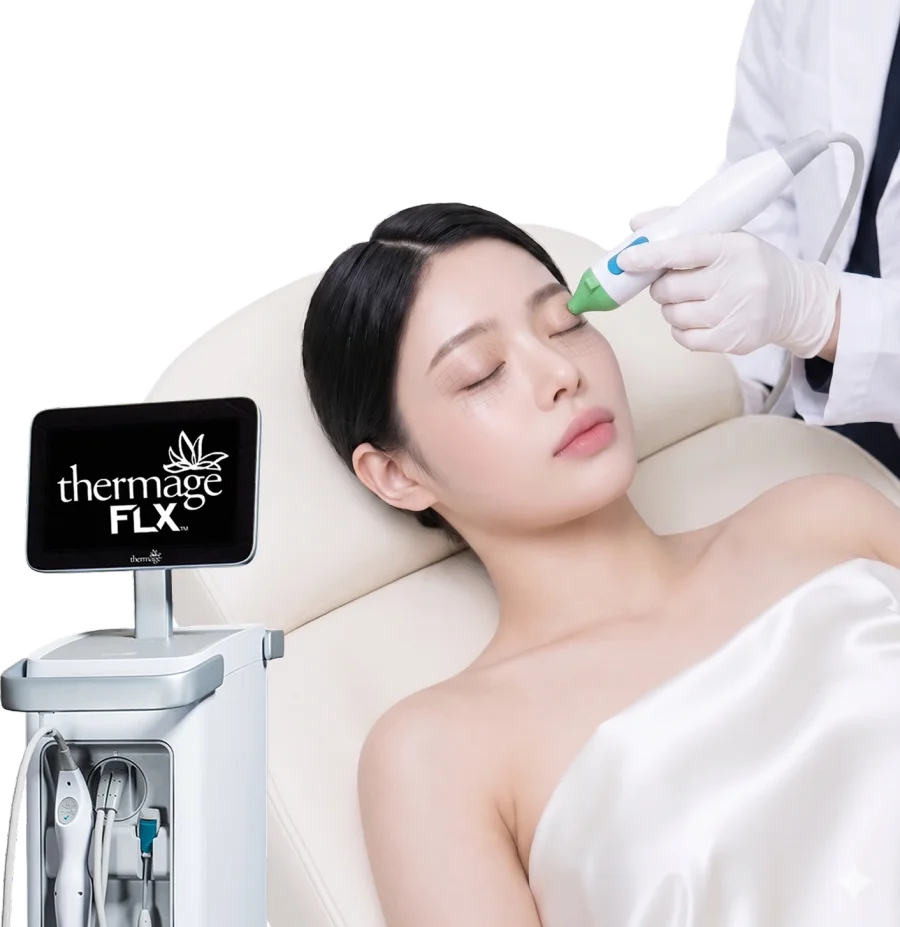
眼周紧致
眼周皮肤是面部最薄的部位,需要专门的治疗方案。皮肤科专科医生根据眼周皮肤厚度和松弛情况,选择合适的能量参数进行定制化治疗。
抗衰老套餐
面部已做护理但颈部显老的情况很常见。皮肤科专科医生会亲自诊断,并采用肉毒素与填充剂组合的方式进行定制化的颈部紧致治疗。