Lifting Comparison

HIFU vs Ultherapy vs Thermage Seoul | Three-Way Decision Guide

HIFU, Ultherapy Prime, and Thermage FLX — three non-surgical lifting options compared. Mechanism, depth, evidence from a Seoul dermatologist.

Your Journey

Follow each step to prepare for your visit.

HIFU, Ultherapy Prime, and Thermage FLX — three non-surgical lifting options compared. Mechanism, depth, evidence from a Seoul dermatologist.

HIFU vs Ultherapy vs Thermage Seoul | Three-Way Decision Guide
Why all three show up in the same consultation
How each technology works and where it reaches
Head-to-head — the three-way comparison
Decision framework — which technology fits which face
Sources
1
ขั้นตอน 1 / 5

Why all three show up in the same consultation

In Seoul, patients researching non-surgical lifting almost always encounter the same three names: HIFU (usually referring to Korean-manufactured devices like Shurink, Ultraformer, or Doublo), Ultherapy (Merz Aesthetics' MFU-V platform), and Thermage (Solta Medical's monopolar RF). Marketing positions them as competing solutions — but they are actually different tools for different problems.

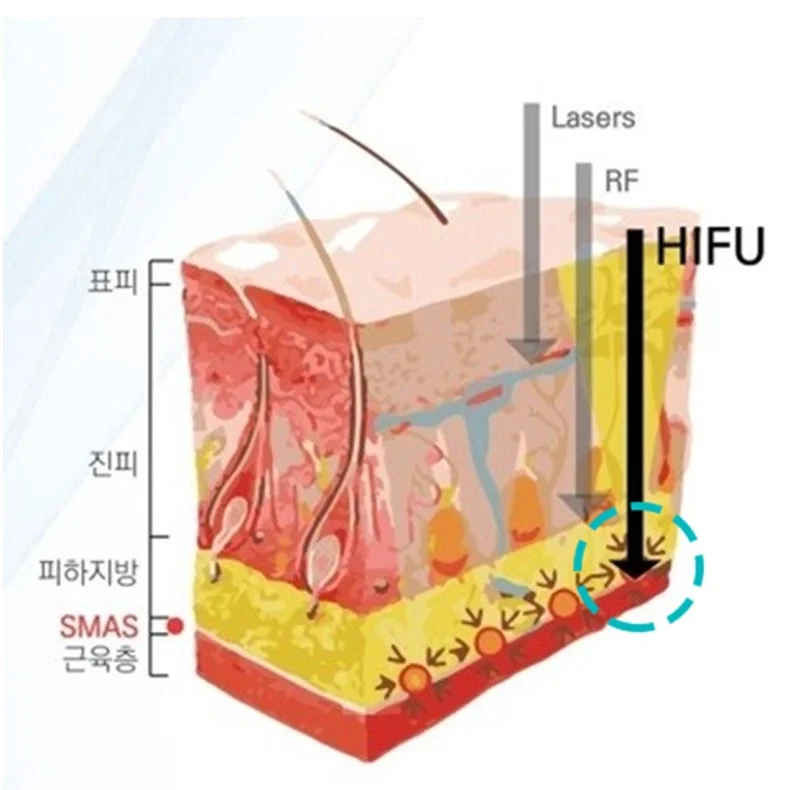
HIFU, RF, and laser lifting technology comparison overview
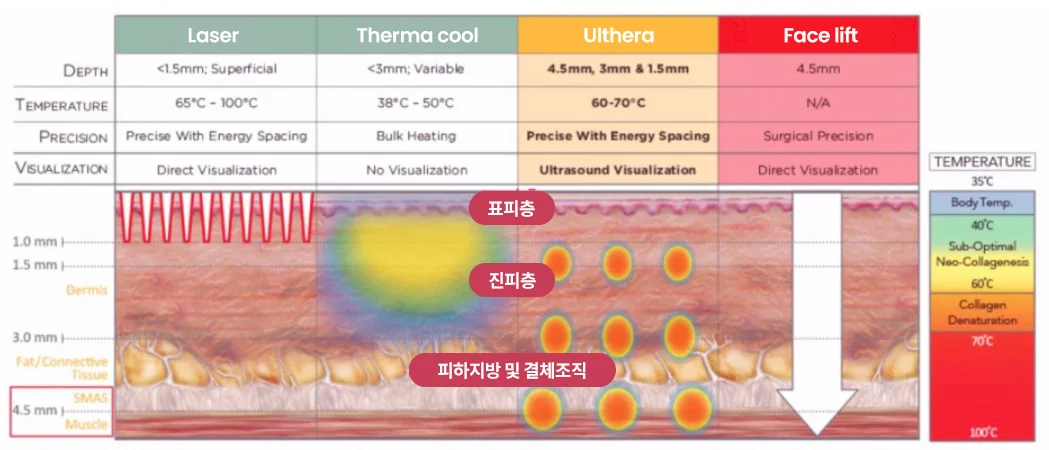
Three non-surgical lifting categories — focused ultrasound (HIFU/Ultherapy), monopolar radiofrequency (Thermage), and laser-based alternatives. Each targets different tissue layers with different energy types.

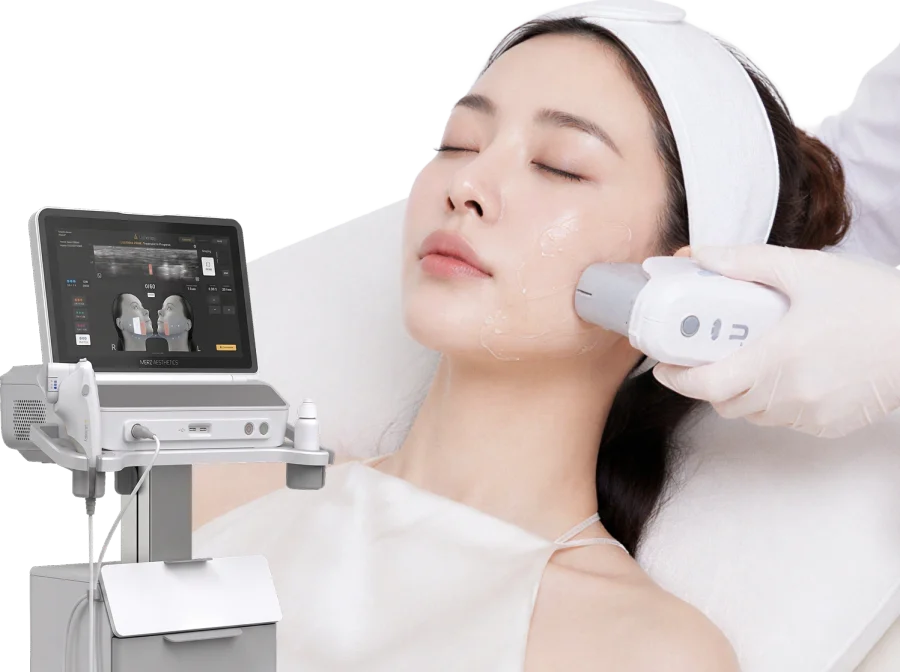
One important clarification up front: "HIFU" is an umbrella term that includes both Ultherapy and the Korean domestic devices. Ultherapy is an FDA-cleared form of HIFU called MFU-V (micro-focused ultrasound with visualization). Korean devices like Shurink Universe (Ultraformer MPT) and Doublo Gold are also HIFU, approved by MFDS (Korea) and CE-marked (EU), but not FDA-cleared. When a Seoul clinic says "HIFU," they usually mean a Korean device — not Ultherapy. Patients frequently miss this distinction.

The short version:

  • Ultherapy Prime — focused ultrasound, reaches the SMAS (4.5 mm), real-time imaging, 50+ peer-reviewed studies
  • Korean HIFU — focused ultrasound, also reaches SMAS, no imaging, faster sessions, lower cost, smaller evidence base
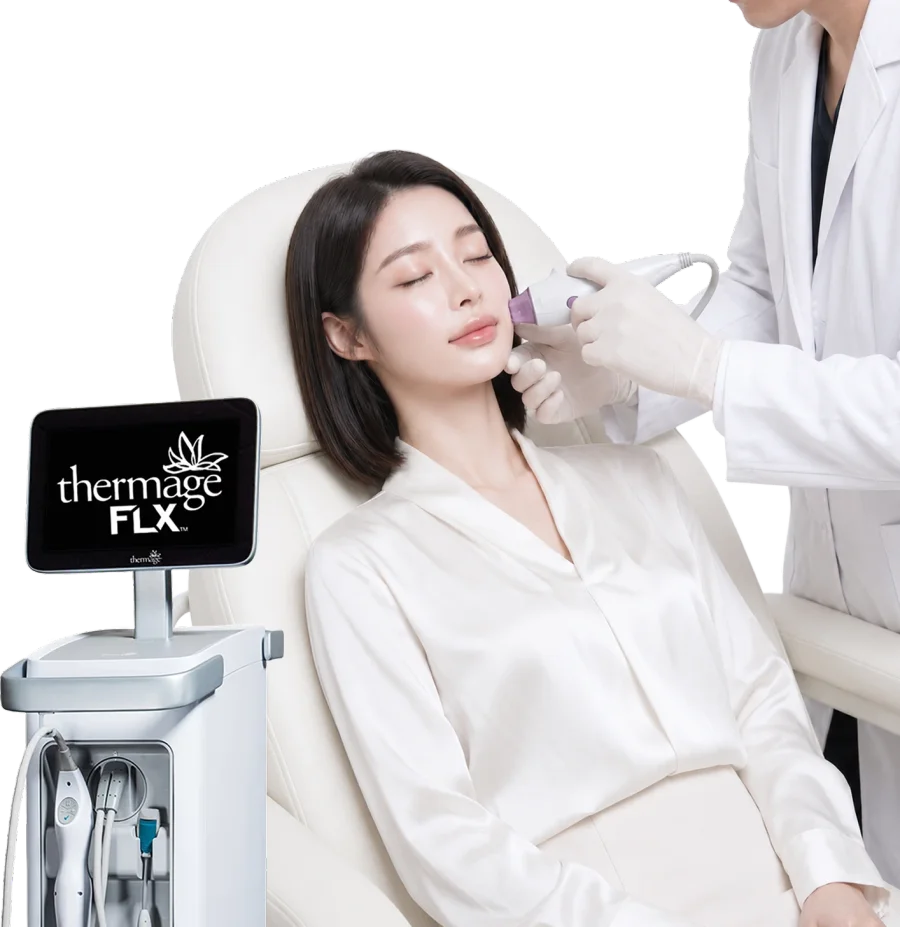
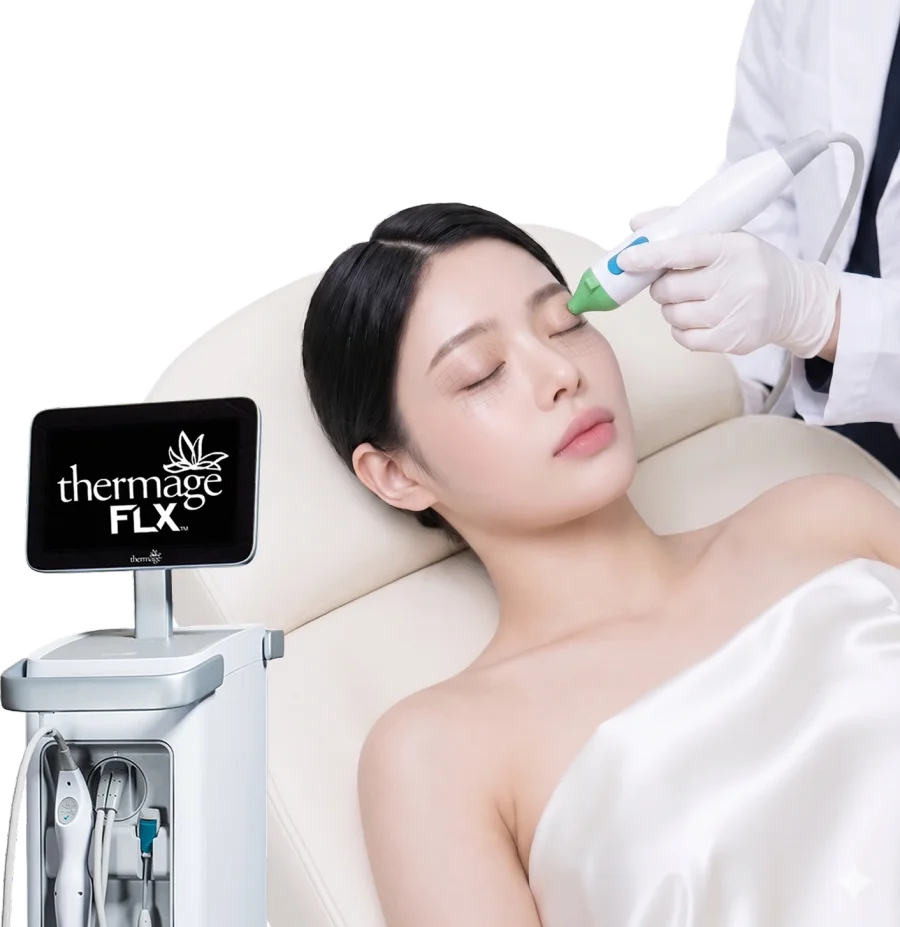
  • Thermage FLX — monopolar radiofrequency, heats dermis and subdermis in bulk (~2–3 mm), does not reach SMAS, 20+ years of data

This guide is the decision-stage overview. For deeper dives on any single category, see our HIFU vs Ultherapy evidence comparison, Thermage vs Ultherapy evidence comparison, or Korean HIFU devices technical guide.

FAQ

Frequently Asked Questions

If I can only pick one of the three, which should it be?

It depends entirely on what is actually changing in your face. If your main concern is thin, crepey skin without visible structural descent — pick Thermage FLX. If your main concern is jowl descent, brow heaviness, or jawline loss — pick Ultherapy Prime if you value regulatory depth, real-time imaging, and the largest published evidence base, or a Korean HIFU device (Shurink, Ultraformer, Doublo) if cost is a factor and you prefer faster sessions. "Which is best" is not answerable in the abstract — only in the context of your specific concern.

Can I combine all three in a single treatment plan?

Combining ultrasound (Ultherapy or Korean HIFU) with Thermage is common and medically rational — they target different tissue layers with different mechanisms, so they reinforce each other. Combining Ultherapy AND a Korean HIFU device is not recommended — you would be treating the same tissue depth twice with the same mechanism, which increases cost and risk without meaningful additional benefit. Pick one HIFU category for the SMAS work, then layer Thermage on top if dermal tightening is also needed.

Which is the most cost-effective for ongoing maintenance?

For patients who want frequent maintenance (every 6–12 months), Korean HIFU devices are typically the most cost-effective in Seoul — sessions are shorter (20–40 min vs 60–90 min), less painful with newer micropulsed technology, and 30–50% less expensive than comparable Ultherapy sessions. The tradeoff is a smaller published evidence base and no real-time imaging. For annual-or-longer maintenance, the Ultherapy cost-per-year may actually be comparable because protocols often specify one session every 1–2 years rather than every 6 months.

Is Korean HIFU less safe because it is not FDA-cleared?

The absence of FDA clearance reflects a business decision about regulatory pathway, not a rejection based on safety or efficacy concerns. Classys (Ultraformer) and Hironic (Doublo) have pursued MFDS (Korean) and CE (EU) regulatory approval, which have their own substantive safety requirements. Korean HIFU devices are widely used across Asia and Europe with favorable documented safety profiles — Park et al. (2015) specifically studied HIFU in Korean patients and found only mild, transient side effects. The meaningful difference is the depth of published peer-reviewed evidence, not a safety gap.

What if a clinic recommends I do all three in one day?

Be skeptical. Layering multiple energy-based treatments in a single session increases inflammatory load, makes adverse events harder to attribute to a specific cause, and rarely delivers better outcomes than a staged approach. The standard Seoul protocol for patients who want both lift and dermal tightening is ultrasound (Ultherapy or Korean HIFU) first, Thermage 2–4 weeks later. A clinic pushing same-day combination of all three is usually selling packages, not making a clinical decision based on your anatomy.

Related Procedures

Related procedure pages to review next.

If you need more detail about treatment approach, recovery, or suitability, continue into these procedure pages.

Ultherapy Prime ที่กรุงโซล

ยกกระชับโดยไม่ผ่าตัด

Ultherapy Prime

เมื่อพิจารณาการยกกระชับโดยไม่ผ่าตัด สิ่งที่สำคัญกว่าชื่อเครื่องมือคือการประเมินสภาพความยืดหยุ่นที่ลดลง ความเปลี่ยนแปลงของเส้นกราม ความหนาของผิว และลำดับความสำคัญในแผนการรักษาโดยรวม

เส้นกรามเริ่มไม่ชัดและใบหน้าส่วนล่างดูหย่อนคล้อยต้องการยกกระชับอย่างเป็นธรรมชาติโดยไม่ต้องผ่าตัดไม่แน่ใจว่าจะเปรียบเทียบ Ultherapy, HIFU และ Thermage อย่างไร
ดูหน้าหัตถการ
Thermage FLX ที่กรุงโซล

กระชับและไทท์เทนนิ่ง

Thermage FLX

การเลือก Thermage ไม่ควรเป็นเพียงเพราะเป็นเครื่องที่มีชื่อเสียง แต่ควรเริ่มจากการทำความเข้าใจก่อนว่าปัญหาหลักของคุณคือเรื่องความกระชับ ผิวพรรณ หรือวอลลุ่มที่ลดลง

ผิวหย่อนคล้อยและสูญเสียความกระชับโดยรวมต้องการไทท์เทนนิ่งที่ดูเป็นธรรมชาติ ไม่เกินไปไม่แน่ใจว่าควรจัดลำดับ Thermage, Ultherapy หรือสกินบูสเตอร์อย่างไร
ดูหน้าหัตถการ
อายเทอร์มาจที่กรุงโซล

กระชับรอบดวงตา

อายเทอร์มาจ

ความแก่รอบดวงตาส่งผลต่อภาพรวมใบหน้าอย่างมาก อายเทอร์มาจใช้หัวทิปที่เล็กและแม่นยำกว่าทิปปกติ เพื่อส่งพลังงานที่เหมาะกับผิวรอบดวงตาที่บาง

ตีนกาและริ้วรอยเล็ก ๆ รอบดวงตาหนังตาหย่อนหรือรู้สึกหนักตาริ้วรอยและผิวย่นใต้ตา
ดูหน้าหัตถการ
แพ็กเกจเน็คไทท์เทนนิ่งที่กรุงโซล

แพ็กเกจต่อต้านวัย

เน็คไทท์เทนนิ่ง

หลายคนดูแลใบหน้าแต่บริเวณคอกลับเผยวัย แพทย์ผิวหนังเฉพาะทางจะวินิจฉัยและออกแบบการผสม Botox กับฟิลเลอร์ที่เหมาะสมเฉพาะบุคคล

ริ้วรอยคอแนวนอนเส้นคอแนวตั้ง (Platysma Band)ความแตกต่างระหว่างใบหน้าที่ดูแลดีกับคอที่ดูแก่กว่า
ดูหน้าหัตถการ
คังนัม, โซล

บริการผิวหนังเฉพาะบุคคลในคังนัมสำหรับผู้ป่วยในประเทศและต่างประเทศ

คลินิก Delight Dermatology เน้นการปรึกษาโดยแพทย์ บริการอบอุ่น และแผนการรักษาเฉพาะบุคคล

ข้อมูลคลินิก

딜라이트피부과의원

ชั้น 4 อาคาร B, 509 Gangnam-daero, Seocho-gu, Seoul

มีที่จอดรถในอาคาร

02-517-9991

จันทร์-ศุกร์ 10:00 - 20:00

พักเที่ยง 13:00 - 14:00

เสาร์ 10:00 - 16:00

อาทิตย์และวันหยุดนักขัตฤกษ์ ปิดทำการ

ชื่อคลินิก: 딜라이트피부과의원ผู้แทน: 윤상열โทร. 02-517-9991เลขทะเบียนธุรกิจ: 357-15-02460นโยบายความเป็นส่วนตัวข้อกำหนดการใช้งาน
สถานพยาบาลจดทะเบียนรับผู้ป่วยต่างชาติ
จดทะเบียนกับกระทรวงสาธารณสุขและสวัสดิการแห่งสาธารณรัฐเกาหลี (เลขทะเบียน M-2024-01-08-8248)

ข้อมูลทางการแพทย์บนเว็บไซต์นี้เป็นข้อมูลอ้างอิงเท่านั้น ไม่ใช่คำแนะนำทางการแพทย์ ผลลัพธ์อาจแตกต่างกันในแต่ละบุคคล กรุณาปรึกษาแพทย์ผิวหนังเฉพาะทางสำหรับการวินิจฉัยและวางแผนการรักษา