Delight Dermatology Clinic symbol logo
江南・ソウル
Delight Dermatology

営業時間と所在地

月 - 金 10:00 - 20:00

土 10:00 - 16:00

ソウル江南

Patient Education· 2026-04-09 · 5 min read

Board-Certified Dermatologist in Korea: Why 1 in 10 Matters

Only ~10% of clinics advertising skin services in Korea are led by board-certified dermatologists. Peer-reviewed data on why it affects complication rates.

Dr. SangYoul Yun
Dr. SangYoul Yun
皮膚科専門医 · 院長

What is a board-certified dermatologist?

In South Korea, any licensed physician can legally open a clinic advertising skin services and perform cosmetic procedures. However, a board-certified dermatologist (피부과전문의) has completed an additional 4-year residency specifically in dermatology after medical school — and this path is significantly less common than most international patients realize. This distinction is regulated by the Korean Dermatological Association.

The real numbers: 2,950 specialists vs 30,000 clinics

At the Korean Dermatological Association's 23rd Skin Health Day press conference (September 2025), the Association publicly disclosed Korea's specialist distribution: approximately 2,950 board-certified dermatologists against approximately 30,000 clinics advertising skin or cosmetic services. That's roughly 1 in 10 clinics that is actually led by a specialist — meaning 9 out of 10 clinics you see in Gangnam or any Korean city are operated by general practitioners who did not complete dermatology residency.

The training difference

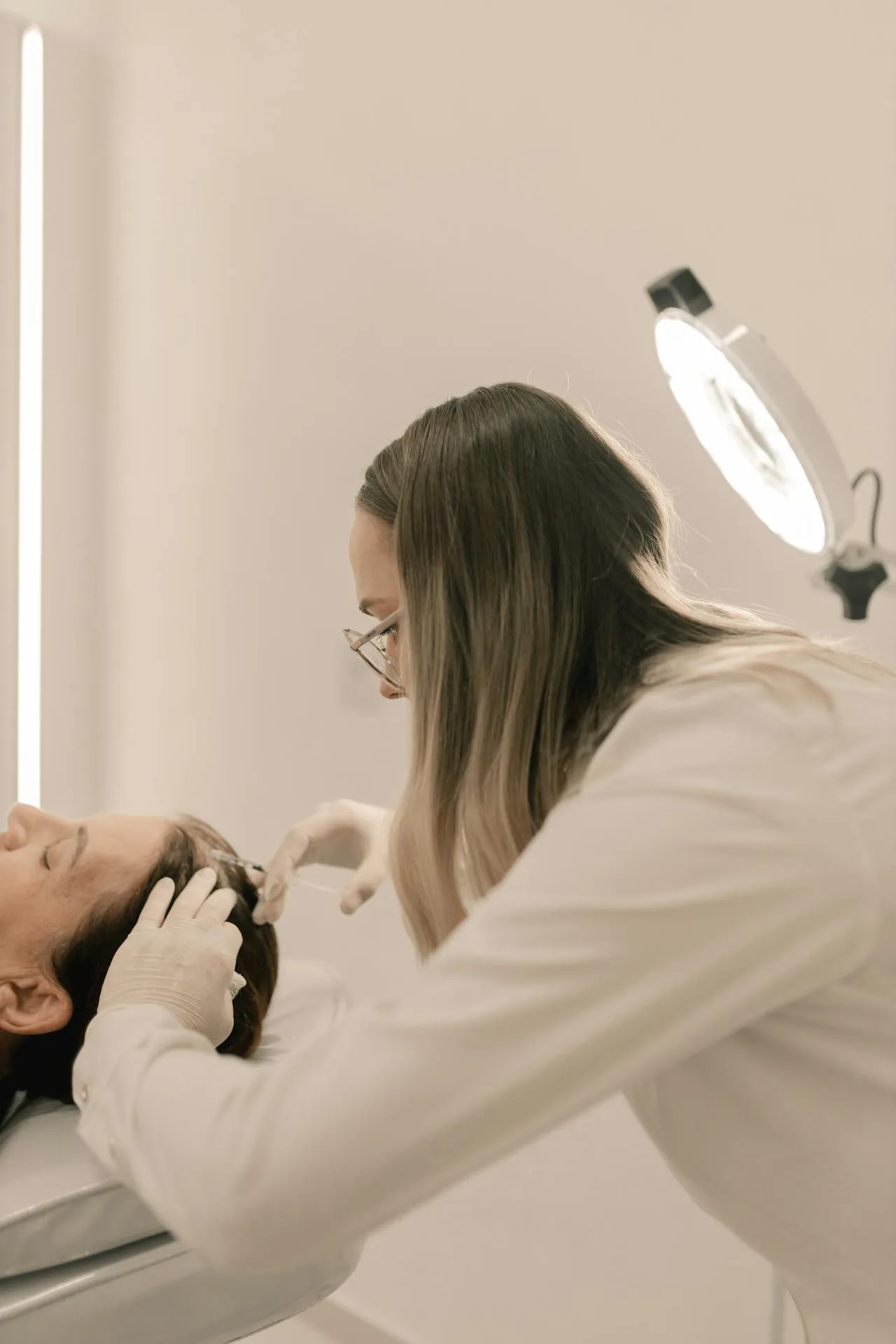
Board-certified dermatologist performing skin examination

A board-certified dermatologist has completed 6 years of medical school, 1 year of internship, and 4 years of dermatology residency — a minimum of 11 years of focused medical training. During residency, they diagnose and treat thousands of skin conditions, learn advanced procedural techniques under supervision, and pass rigorous board examinations. A general practitioner running a cosmetic clinic may have completed only 6 years of medical school and 1 year of internship, with no formal dermatology training.

  • 11+ years of medical training including 4-year dermatology residency
  • Board examination certified by the Korean Dermatological Association
  • Trained to diagnose skin conditions, not just perform cosmetic procedures
  • Supervised clinical experience with thousands of patients during residency

What the peer-reviewed data shows

The safety difference is not theoretical. A 2019 study by Rossi et al. published in Dermatologic Surgery directly compared adverse events from cosmetic dermatology procedures performed by physicians vs non-physicians:

  • Burns: 34.8% (non-physician) vs 7.4% (physician)
  • Hyperpigmentation / discoloration: 43.5% vs 14.8%
  • Leading cause: improper technique (43.8% of all adverse events)

The Korean Dermatological Association's 2025 press conference data goes further: complications at non-specialist clinics accounted for 88.46% of reported cases versus 11.54% at board-certified clinics — a 7.7× difference in real-world outcomes.

Why it matters for cosmetic procedures

Cosmetic dermatology procedures like Ultherapy Prime, Thermage FLX, lasers, and injectables all carry risks — especially when performed on different skin types, ages, and conditions. A board-certified dermatologist can recognize when a cosmetic concern is actually a medical condition that needs treatment first. They understand how procedures interact with skin biology at a deeper level, and they can manage complications if they arise. This is especially important for international patients who may not have easy follow-up access.

How to verify certification

In Korea, board-certified dermatologists are authorized to display the official 피부과전문의 mark. You can verify a doctor's specialist status through the Korean Dermatological Association's official clinic finder, which lists approximately 2,050 verified specialist clinics nationwide. Delight Dermatology Clinic is led by Dr. SangYoul Yun, a board-certified dermatologist (피부과전문의) — AAD International Fellow (IFAAD), ASLMS member, former Banobagi Dermatology Director — with no delegation of injectables or energy-based devices to nurses or technicians.

The bottom line

Price and convenience are easy to compare between clinics. Certification is harder to evaluate but far more important. When choosing a dermatology clinic in Seoul — whether for anti-aging treatments, acne care, or skin rejuvenation — checking for the board-certified dermatologist mark is the single most reliable quality signal available to patients. Given that complications are documented to be 7.7× more frequent at non-specialist clinics, this is not a subtle difference.

Sources & references

ご案内: この記事の情報は一般的な教育目的であり、医学的助言に代わるものではありません。個別の施術計画は皮膚科専門医の相談を通じて決定されます。

関連施術

これらの施術について詳しく。

江南・ソウル

江南で、海外の患者さまにも配慮した皮膚科相談をご案内しています。

ディライト皮膚科は、医師主導の相談、落ち着いた説明、患者ごとの治療計画を大切にしています。

アクセス動画

ノニョン駅 4番出口
シンノニョン駅 2番出口
クリニック情報

딜라이트피부과의원

4F, Building B, 509 Gangnam-daero

Seocho-gu, Seoul, South Korea

建物内に駐車可能です。

02-517-9991

月 - 金 10:00 - 20:00

昼休み 13:00 - 14:00

土 10:00 - 16:00

日曜・祝日 休診

所在地

江南・瑞草区、ソウル

医院名: 딜라이트피부과의원代表者: 윤상열電話 02-517-9991事業者登録番号: 357-15-02460プライバシーポリシー利用規約
外国人患者誘致医療機関
大韓民国保健福祉部登録 外国人患者誘致医療機関 (登録番号 M-2024-01-08-8248)

このサイトの医療情報は参考用であり、医学的助言に代わるものではありません。個人差があります。診断と治療計画については皮膚科専門医にご相談ください。

地図相談