
แพทย์ผิวหนังเฉพาะทางในเกาหลี: ทำไม 1 ใน 10 จึงสำคัญ
คลินิกในเกาหลีที่โฆษณาบริการด้านผิวหนังมีเพียงประมาณ 10% เท่านั้นที่ดำเนินการโดยแพทย์ผิวหนังเฉพาะทาง ข้อมูลจาก peer-review ชี้ถึงผลต่ออัตราภาวะแทรกซ้อน
แพทย์ผิวหนังเฉพาะทางคืออะไร?
ในเกาหลีใต้ แพทย์ที่มีใบประกอบวิชาชีพทุกคนสามารถเปิดคลินิกที่โฆษณาบริการด้านผิวหนังและทำหัตถการความงามได้อย่างถูกกฎหมาย อย่างไรก็ตาม แพทย์ผิวหนังเฉพาะทาง (피부과전문의) ได้ผ่านการฝึกประจำบ้าน 4 ปีในสาขาผิวหนังโดยเฉพาะหลังจากเรียนแพทย์จบ ซึ่งเป็นเส้นทางที่พบน้อยกว่าที่ผู้ป่วยต่างชาติส่วนใหญ่ตระหนัก การแยกแยะนี้อยู่ภายใต้การกำกับของ สมาคมแพทย์ผิวหนังเกาหลี
ตัวเลขจริง: แพทย์เฉพาะทาง 2,950 คน เทียบกับ 30,000 คลินิก
ในงาน แถลงข่าววัน Skin Health Day ครั้งที่ 23 ของสมาคมแพทย์ผิวหนังเกาหลี (กันยายน 2025) สมาคมได้เปิดเผยการกระจายตัวของแพทย์เฉพาะทางในเกาหลีต่อสาธารณะ มีแพทย์ผิวหนังเฉพาะทางประมาณ 2,950 คน เทียบกับคลินิกประมาณ 30,000 แห่ง ที่โฆษณาบริการด้านผิวหนังหรือความงาม นั่นคือราว ๆ 1 ใน 10 คลินิก เท่านั้นที่ดำเนินการโดยแพทย์เฉพาะทางจริง หมายความว่า 9 ใน 10 คลินิกที่คุณเห็นในย่านคังนัมหรือเมืองใด ๆ ในเกาหลี ดำเนินการโดยแพทย์ทั่วไปที่ไม่ได้ผ่านการฝึกประจำบ้านสาขาผิวหนัง
ความแตกต่างในการฝึกอบรม
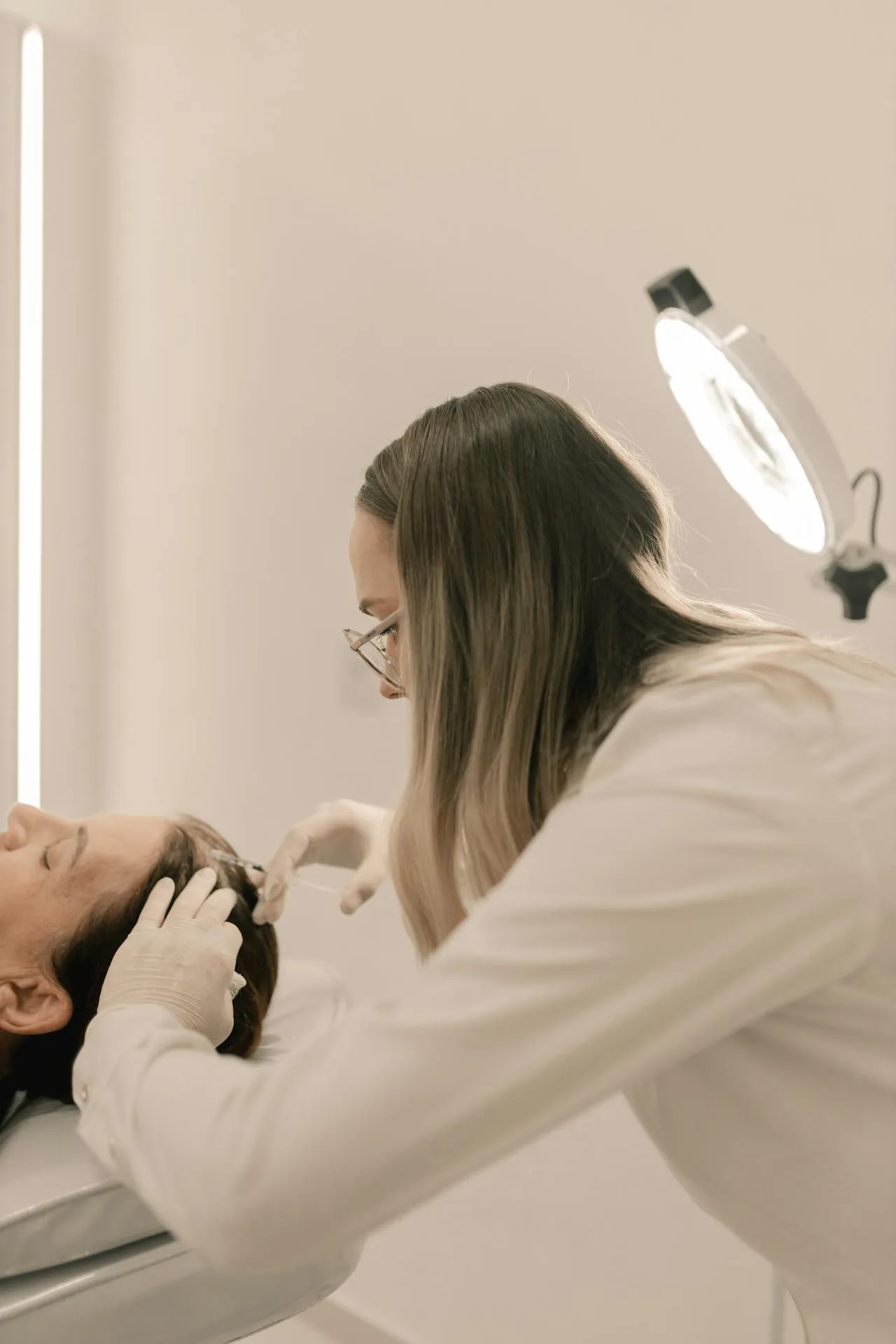
แพทย์ผิวหนังเฉพาะทางได้ผ่านการเรียนแพทย์ 6 ปี ฝึกงาน (internship) 1 ปี และฝึกประจำบ้านสาขาผิวหนัง 4 ปี รวมขั้นต่ำ 11 ปีของการอบรมทางการแพทย์เฉพาะทาง ในระหว่างการฝึกประจำบ้าน พวกเขาวินิจฉัยและรักษาสภาพผิวหนังหลายพันกรณี เรียนรู้เทคนิคหัตถการขั้นสูงภายใต้การกำกับดูแล และผ่านการสอบบอร์ดที่เข้มงวด ส่วนแพทย์ทั่วไปที่เปิดคลินิกความงามอาจจบเพียง 6 ปีในโรงเรียนแพทย์และฝึกงาน 1 ปี โดยไม่มีการอบรมเฉพาะทางด้านผิวหนังอย่างเป็นทางการ
- การอบรมทางการแพทย์ 11+ ปี รวมการฝึกประจำบ้านสาขาผิวหนัง 4 ปี
- ผ่านการสอบบอร์ดที่รับรองโดยสมาคมแพทย์ผิวหนังเกาหลี
- ได้รับการฝึกให้วินิจฉัยสภาพผิวหนัง ไม่ใช่แค่ทำหัตถการความงาม
- มีประสบการณ์ทางคลินิกภายใต้การกำกับดูแลกับผู้ป่วยหลายพันรายระหว่างการฝึกประจำบ้าน
สิ่งที่ข้อมูล peer-review แสดงให้เห็น
ความแตกต่างด้านความปลอดภัยไม่ใช่เรื่องทฤษฎี งานวิจัยปี 2019 โดย Rossi และคณะ ที่ตีพิมพ์ในวารสาร Dermatologic Surgery ได้เปรียบเทียบเหตุการณ์ไม่พึงประสงค์จากหัตถการผิวหนังเพื่อความงามที่ทำโดยแพทย์เทียบกับผู้ที่ไม่ใช่แพทย์โดยตรง:
- แผลไหม้: 34.8% (ไม่ใช่แพทย์) เทียบกับ 7.4% (แพทย์)
- การสร้างเม็ดสี/รอยดำผิดปกติ: 43.5% เทียบกับ 14.8%
- สาเหตุหลัก: เทคนิคที่ไม่เหมาะสม (43.8% ของเหตุการณ์ไม่พึงประสงค์ทั้งหมด)
ข้อมูลแถลงข่าวของสมาคมแพทย์ผิวหนังเกาหลีปี 2025 ยังไปไกลกว่านั้น ภาวะแทรกซ้อนที่คลินิกที่ไม่ใช่แพทย์เฉพาะทางคิดเป็น 88.46% ของกรณีที่รายงาน เทียบกับ 11.54% ที่คลินิกของแพทย์เฉพาะทาง ซึ่งต่างกัน 7.7 เท่าในผลลัพธ์จริง
ทำไมจึงสำคัญสำหรับหัตถการความงาม
หัตถการผิวหนังเพื่อความงาม เช่น Ultherapy Prime, Thermage FLX, เลเซอร์ และสารฉีด ล้วนมีความเสี่ยง โดยเฉพาะเมื่อทำในประเภทผิว อายุ และสภาพที่แตกต่างกัน แพทย์ผิวหนังเฉพาะทางสามารถจดจำได้เมื่อความกังวลด้านความงามที่แท้จริงแล้วเป็นโรคผิวหนังที่ต้องรักษาก่อน พวกเขาเข้าใจว่าหัตถการมีปฏิกิริยากับชีววิทยาของผิวอย่างลึกซึ้งเพียงใด และสามารถจัดการภาวะแทรกซ้อนได้หากเกิดขึ้น ซึ่งสำคัญเป็นพิเศษสำหรับผู้ป่วยต่างชาติที่อาจไม่สามารถติดตามอาการได้สะดวก
วิธีการตรวจสอบใบรับรอง
ในเกาหลี แพทย์ผิวหนังเฉพาะทางได้รับอนุญาตให้แสดงเครื่องหมาย 피부과전문의 อย่างเป็นทางการ คุณสามารถตรวจสอบสถานะแพทย์เฉพาะทางได้ผ่าน ระบบค้นหาคลินิกของสมาคมแพทย์ผิวหนังเกาหลี ซึ่งระบุคลินิกแพทย์เฉพาะทางที่ผ่านการตรวจสอบประมาณ 2,050 แห่งทั่วประเทศ ที่ Delight Dermatology Clinic การปรึกษาและหัตถการทั้งหมดดำเนินการโดยแพทย์ผิวหนังเฉพาะทาง ไม่ได้มอบหมายให้พยาบาลหรือแพทย์ที่ไม่ใช่เฉพาะทาง
บทสรุป
ราคาและความสะดวกเป็นสิ่งที่เปรียบเทียบระหว่างคลินิกได้ง่าย ใบรับรองประเมินได้ยากกว่า แต่สำคัญกว่ามาก เมื่อเลือกคลินิกผิวหนังในกรุงโซล ไม่ว่าจะเพื่อการรักษาต่อต้านความแก่ ดูแลสิว หรือฟื้นฟูผิว การตรวจสอบเครื่องหมายแพทย์ผิวหนังเฉพาะทางคือสัญญาณคุณภาพที่เชื่อถือได้มากที่สุดที่ผู้ป่วยสามารถประเมินได้ เมื่อมีข้อมูลยืนยันว่าภาวะแทรกซ้อนเกิดบ่อยกว่า 7.7 เท่าที่คลินิกที่ไม่ใช่แพทย์เฉพาะทาง นี่ไม่ใช่ความแตกต่างเล็กน้อย
แหล่งที่มาและเอกสารอ้างอิง
- Korean Dermatological Association: 23rd Skin Health Day Press Conference (กันยายน 2025): แพทย์เฉพาะทาง 2,950 คน เทียบกับคลินิก 30,000 แห่ง ความแตกต่างภาวะแทรกซ้อน 7.7 เท่า
- Rossi AM, et al. "The Non-Physician Practice of Cosmetic Dermatology: A Patient and Physician Perspective of Outcomes and Adverse Events." Dermatologic Surgery. 2019;45(4):588–597. PMID: 30946699
- Korean Dermatological Association: Official Specialist Clinic Finder
ข้อมูล: ข้อมูลในบทความนี้เป็นการให้ความรู้ทั่วไปเท่านั้น ไม่ใช่คำแนะนำทางการแพทย์ แผนการรักษาเฉพาะบุคคลถูกกำหนดผ่านการปรึกษาแพทย์ผิวหนังเฉพาะทาง ผลลัพธ์อาจแตกต่างกัน
หัตถการที่เกี่ยวข้อง