
Bác sĩ da liễu chuyên khoa tại Hàn Quốc: vì sao tỷ lệ 1/10 quan trọng
Chỉ 10% phòng khám quảng cáo dịch vụ da tại Hàn Quốc do bác sĩ da liễu chuyên khoa chính thức dẫn dắt. Dữ liệu bình duyệt về ảnh hưởng tỷ lệ biến chứng.
Bác sĩ da liễu chuyên khoa chính thức là ai?
Tại Hàn Quốc, bất kỳ bác sĩ nào có giấy phép hành nghề đều có thể hợp pháp mở phòng khám quảng cáo dịch vụ da và thực hiện thủ thuật thẩm mỹ. Tuy nhiên, một bác sĩ da liễu chuyên khoa chính thức (피부과전문의) là người đã hoàn thành thêm 4 năm nội trú chuyên sâu về da liễu sau khi tốt nghiệp trường y, và con đường này hiếm hơn rất nhiều so với những gì đa phần bệnh nhân quốc tế hình dung. Phân định này được điều chỉnh bởi Hội Da liễu Hàn Quốc (Korean Dermatological Association).
Những con số thực tế: 2,950 bác sĩ chuyên khoa so với 30,000 phòng khám
Tại họp báo Ngày Sức khỏe Da liễu lần thứ 23 của Hội Da liễu Hàn Quốc (tháng 9/2025), Hội đã công bố phân bổ bác sĩ chuyên khoa tại Hàn Quốc: khoảng 2,950 bác sĩ da liễu chuyên khoa chính thức trong khi có khoảng 30,000 phòng khám quảng cáo dịch vụ da hoặc thẩm mỹ. Tức là chỉ khoảng 1 trong 10 phòng khám thực sự do một bác sĩ chuyên khoa dẫn dắt, nói cách khác, 9 trong 10 phòng khám mà Quý khách nhìn thấy ở Gangnam hoặc bất kỳ thành phố nào khác của Hàn Quốc được điều hành bởi bác sĩ đa khoa không hoàn thành chương trình nội trú da liễu.
Khác biệt về đào tạo
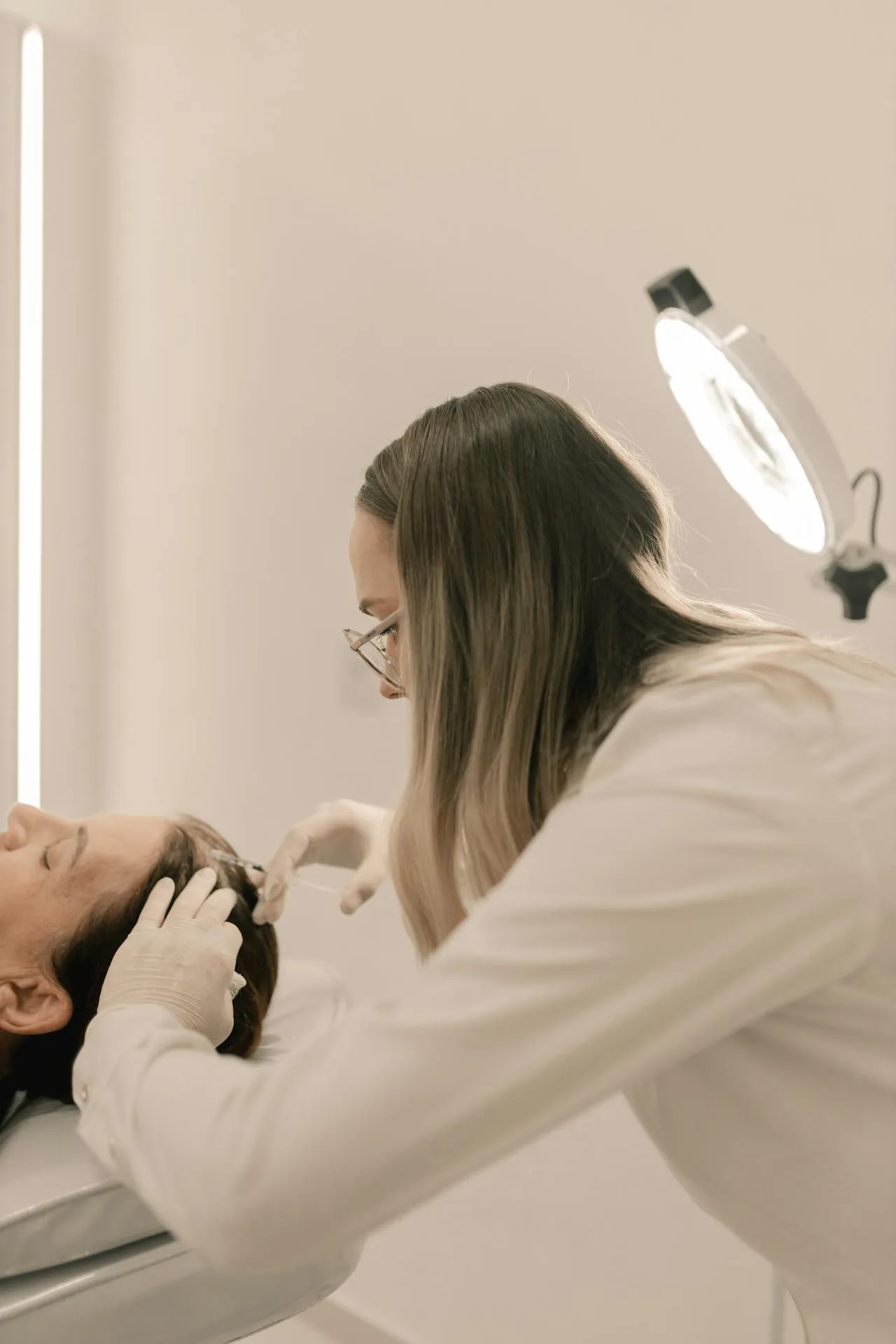
Một bác sĩ da liễu chuyên khoa chính thức đã hoàn thành 6 năm trường y, 1 năm thực tập và 4 năm nội trú da liễu: tối thiểu 11 năm đào tạo y khoa tập trung. Trong thời gian nội trú, họ chẩn đoán và điều trị hàng nghìn ca bệnh lý da, học các kỹ thuật thủ thuật nâng cao dưới sự giám sát và vượt qua các kỳ thi chuyên khoa nghiêm ngặt. Ngược lại, một bác sĩ đa khoa điều hành phòng khám thẩm mỹ có thể mới chỉ hoàn tất 6 năm trường y và 1 năm thực tập, không có đào tạo chính quy về da liễu.
- Hơn 11 năm đào tạo y khoa, bao gồm 4 năm nội trú da liễu
- Đạt kỳ thi chuyên khoa do Hội Da liễu Hàn Quốc tổ chức
- Được đào tạo để chẩn đoán bệnh lý da, không chỉ thực hiện thủ thuật thẩm mỹ
- Có kinh nghiệm lâm sàng trực tiếp với hàng nghìn bệnh nhân trong quá trình nội trú
Dữ liệu bình duyệt cho thấy điều gì
Khác biệt về mức độ an toàn không phải là giả định lý thuyết. Một nghiên cứu năm 2019 của Rossi và cộng sự đăng trên Dermatologic Surgery đã so sánh trực tiếp các biến cố bất lợi trong thủ thuật da liễu thẩm mỹ do bác sĩ chính thức thực hiện so với người không phải bác sĩ:
- Bỏng: 34.8% (không phải bác sĩ) so với 7.4% (bác sĩ)
- Tăng sắc tố / đổi màu da: 43.5% so với 14.8%
- Nguyên nhân hàng đầu: kỹ thuật không đúng (chiếm 43.8% trong tổng số biến cố)
Dữ liệu từ họp báo 2025 của Hội Da liễu Hàn Quốc còn đi xa hơn: biến chứng tại các phòng khám không chuyên khoa chiếm 88.46% số ca được báo cáo, trong khi các phòng khám do bác sĩ chuyên khoa dẫn dắt chỉ chiếm 11.54%, chênh lệch 7.7 lần trong thực tế lâm sàng.
Vì sao điều này quan trọng với các thủ thuật thẩm mỹ
Các thủ thuật da liễu thẩm mỹ như Ultherapy Prime, Thermage FLX, laser và chất tiêm đều tiềm ẩn rủi ro, đặc biệt khi được thực hiện trên các loại da, độ tuổi và tình trạng khác nhau. Một bác sĩ da liễu chuyên khoa có thể nhận ra khi nào một mối bận tâm về thẩm mỹ thực chất là bệnh lý cần điều trị trước. Họ hiểu ở mức độ sâu cách các thủ thuật tương tác với sinh học của da và có thể xử trí biến chứng nếu phát sinh. Điều này đặc biệt quan trọng với bệnh nhân quốc tế vốn khó tiếp cận tái khám.
Cách xác minh chứng nhận chuyên khoa
Tại Hàn Quốc, các bác sĩ da liễu chuyên khoa chính thức được phép trưng bày dấu hiệu 피부과전문의 (chuyên khoa da liễu). Quý khách có thể xác minh tình trạng chuyên khoa của bác sĩ thông qua công cụ tra cứu phòng khám chính thức của Hội Da liễu Hàn Quốc, nơi niêm yết khoảng 2,050 phòng khám chuyên khoa đã được kiểm chứng trên toàn quốc. Tại Phòng khám Da liễu Delight, toàn bộ các buổi tư vấn và thủ thuật đều do bác sĩ da liễu chuyên khoa chính thức thực hiện, không ủy quyền cho điều dưỡng hay bác sĩ không chuyên khoa.
Kết luận
Giá cả và sự tiện lợi dễ dàng so sánh giữa các phòng khám. Chứng nhận chuyên khoa thì khó đánh giá hơn, nhưng lại quan trọng hơn rất nhiều. Khi lựa chọn một phòng khám da liễu tại Seoul (dù là để điều trị chống lão hóa, chăm sóc mụn hay trẻ hóa da), kiểm tra dấu hiệu bác sĩ da liễu chuyên khoa chính thức là tín hiệu chất lượng đáng tin cậy nhất mà bệnh nhân có thể dựa vào. Với tỷ lệ biến chứng ghi nhận cao gấp 7.7 lần tại các phòng khám không chuyên khoa, đây không phải là khác biệt nhỏ.
Nguồn tham khảo
- Hội Da liễu Hàn Quốc: Họp báo Ngày Sức khỏe Da liễu lần thứ 23 (9/2025), 2,950 bác sĩ chuyên khoa so với 30,000 phòng khám; chênh lệch biến chứng 7.7 lần
- Rossi AM, và cộng sự. "The Non-Physician Practice of Cosmetic Dermatology: A Patient and Physician Perspective of Outcomes and Adverse Events." Dermatologic Surgery. 2019;45(4):588–597. PMID: 30946699
- Hội Da liễu Hàn Quốc: Công cụ tra cứu phòng khám chuyên khoa chính thức
Lưu ý: Thông tin trong bài chỉ mang tính giáo dục chung, không thay thế tư vấn y khoa. Kế hoạch điều trị cá nhân được xác định qua buổi tư vấn với bác sĩ da liễu chuyên khoa. Kết quả có thể khác nhau.
Liệu trình liên quan