
PRP Injection: 6 Things to Know Before You Get It
A board-certified Seoul dermatologist covers 6 essentials of PRP (platelet-rich plasma) skin regeneration: how it works, who it suits, effects, sessions, and results.
This is an English adaptation of a clinical article Dr. SangYoul Yun, board-certified dermatologist and Medical Director of Delight Dermatology in Gangnam, Seoul, originally published in Korean. Read the Korean original on Naver. It has been restructured and translated for international readers.
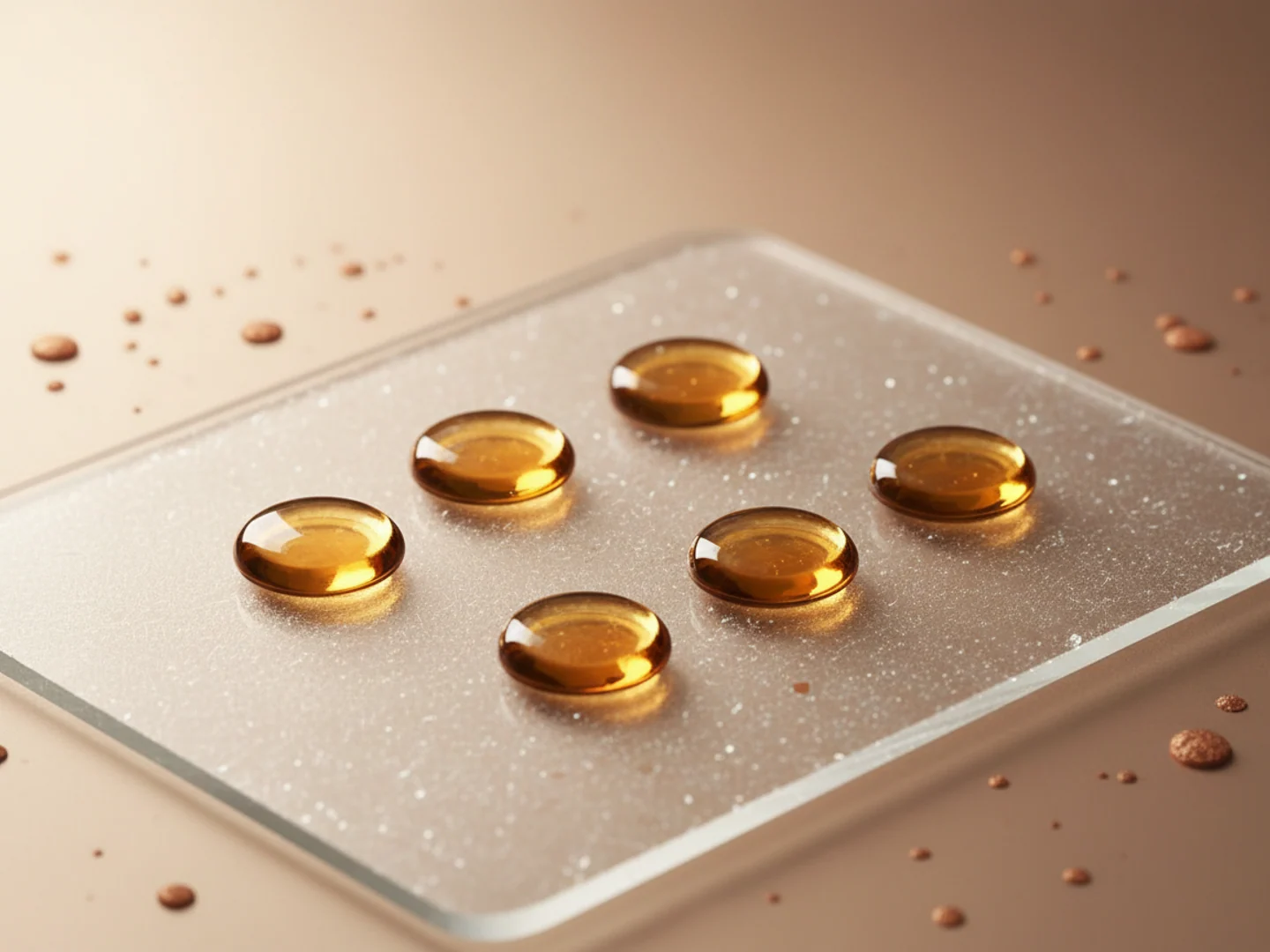
1. The role of platelets
The alpha granules of platelets contain growth factors involved in hemostasis and tissue healing (PDGF, TGF, PDAF, PDEFG, EGF, TNF, LDGF, FGF, CTGF) and proteins involved in cell adhesion (fibrin, fibronectin, vitronectin). These growth factors regenerate epithelial cells and increase wound-healing capacity through collagen synthesis, fibrous-tissue formation, and neovascularization.
2. The PRP procedure
- Draw blood
- Extract PRP with a centrifuge
- Inject the PRP into the skin using a Dermashine device
3. Who PRP is for
It suits those with fine lines and wrinkles, significant sun damage, or a wish for a fresher, more even complexion.
4. The effects of PRP
- The procedure is short (5 to 10 minutes) with little pain.
- It has no downtime.
- Because it uses your own blood, there is no infection, allergy, or rejection reaction, making it safe.
- Combining it with laser treatment, RF lifting, or MTS can improve results further.
- It reduces wrinkles, lifts the skin, reduces pores, enhances tone, and regenerates collagen.
5. Results
Overall improvement appears within a few weeks to a few months.
6. Number of sessions
Generally three or more sessions are needed, and the effect can last up to 18 months.
PRP is effective for skin regeneration with no downtime, and combining it with other skin boosters such as Rejuran can produce a synergistic effect. Whether it's right for you, and which treatments to pair it with, are best confirmed in a consultation.
Medical disclaimer. This article is general information and does not replace individual consultation. Although PRP uses your own blood, whether it suits you, which treatments to combine it with, and the number of sessions depend on your skin and general health, and should be decided through an in-person consultation with a dermatologist.
提示: 本文信息仅供科普参考,不构成医学建议。个人治疗方案需通过皮肤科专科医生咨询确定。
相关项目