
PRP & Stem Cell Therapy: The Science of Self-Regeneration
PRP (platelet-rich plasma) and stem cell treatments use your body's own healing factors to rejuvenate skin, stimulate collagen, and improve hair growth.

What is PRP therapy?
PRP (Platelet-Rich Plasma) therapy is a regenerative treatment that uses concentrated growth factors from your own blood to stimulate tissue repair and collagen production. A small amount of blood is drawn, processed in a centrifuge to separate the platelet-rich layer, and then injected or applied to the target area. Because it uses your own biological material, there is virtually no risk of allergic reaction or rejection.
How PRP works at the cellular level
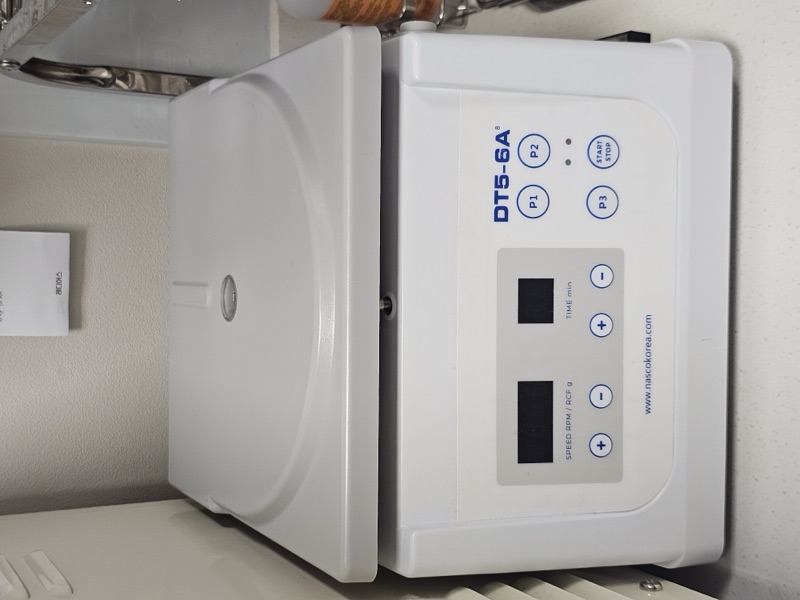
Platelets contain growth factors — proteins that signal cells to repair and regenerate. When concentrated PRP is introduced into the skin, these growth factors activate fibroblasts (the cells responsible for collagen and elastin production), promote new blood vessel formation, and accelerate cellular turnover. The result is gradual improvement in skin quality, firmness, and tone over several weeks.
- Growth factors include PDGF, TGF-β, VEGF, and EGF
- Stimulates fibroblasts to produce new collagen and elastin
- Promotes angiogenesis (new blood vessel formation) for better skin circulation
- Uses autologous material (your own blood) — no foreign substances
Stem cell therapy for skin
Stem cell therapy in dermatology typically uses growth factors derived from stem cell-conditioned media or exosomes — not the stem cells themselves. These concentrated growth factors, when applied to the skin via microneedling or injection, enhance the skin's natural repair mechanisms. At Delight Dermatology Clinic, stem cell treatments are often combined with PRP for a synergistic regenerative effect.
Treatment applications
PRP and stem cell therapies are used for facial skin rejuvenation (fine lines, dullness, uneven tone), acne scar improvement when combined with microneedling or laser, under-eye dark circles and hollowing, and hair loss treatment (PRP stimulates dormant hair follicles). For hair loss in particular, PRP has shown promising clinical results in both male and female pattern hair loss when administered in a series of treatments.
What to expect
The blood draw takes a few minutes, centrifuge processing takes about 10 minutes, and the treatment itself takes 20-30 minutes. Mild redness or swelling at injection sites typically resolves within 24-48 hours. Most patients see gradual improvement starting 2-4 weeks after treatment, with optimal results after 3-4 sessions spaced 3-4 weeks apart. PRP and stem cell treatments are often part of a broader anti-aging protocol combined with devices like Rejuran, Sculptra, or laser treatments.
Notice: The information in this article is for general educational purposes only and does not constitute medical advice. Individual treatment plans are determined through personal consultation with a board-certified dermatologist. Results may vary.
Related Procedures