
Age Spots (Seborrheic Keratosis): Why See a Dermatologist
Age spots are usually benign, but warts, actinic keratosis, moles and melanoma can mimic them. A Seoul dermatologist on why a specialist should check.
This is an English adaptation of a clinical article Dr. SangYoul Yun, board-certified dermatologist and Medical Director of Delight Dermatology in Gangnam, Seoul, originally published in Korean. Read the Korean original on Naver. It has been restructured and translated for international readers.
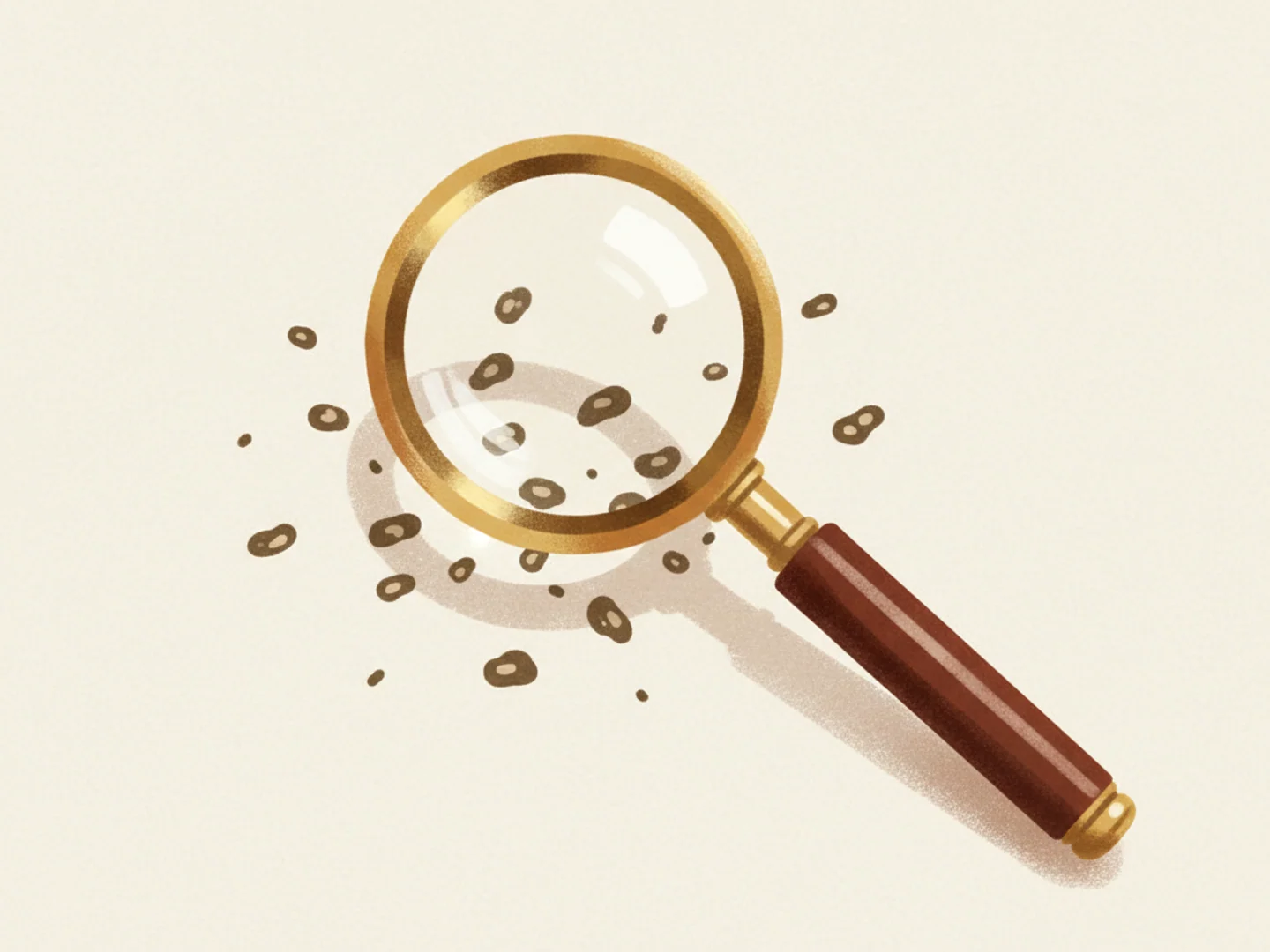
Today let's look at age spots (seborrheic keratosis) and how they are treated. A seborrheic keratosis is a benign skin growth that can appear anywhere on the body. It may start as a single lesion, but with age several often appear together. A dermatologist can examine these lesions and tell whether they really are seborrheic keratoses or something else.
What age spots look like
Most seborrheic keratoses are small and feel rough to the touch, though some are soft and flat. Lesions tend to grow and gradually thicken over time. The color is usually brown, but they can range from white to black, and sizes vary from very small to large. One variant, dermatosis papulosa nigra (DPN), appears in people with darker skin as small clustered lesions around the eyes, cheeks and neck.
Why a dermatologist should look: the look-alikes that matter
A seborrheic keratosis itself is benign and not dangerous. The problem is that several conditions can be mistaken for one, and some of those are not harmless. This is the core reason to have a specialist check. If a lesion itches, bleeds, or changes, see a dermatologist.
You may feel as though you could just scratch a seborrheic keratosis off, but in reality that causes infection, scarring and irritation, and the lesion returns to its original state. The lesion should be removed properly, not picked at.
Conditions that can mimic age spots
| Condition | Why it matters |
|---|---|
| Warts | Also harmless, but viral. They can spread and multiply quickly, so they need attention. |
| Actinic keratosis | Dry, scaly, flat lesions from years of sun exposure. Considered pre-cancerous, with potential to progress to squamous cell carcinoma. |
| Moles (nevi) | Normal in childhood and adolescence, but a new mole in adulthood is uncommon, and some carry a risk of melanoma. |
| Melanoma | It can look like a seborrheic keratosis but grows quickly and appears dark and irregular. Melanoma can be fatal, so early detection matters. |
Where age spots occur
Seborrheic keratoses can appear anywhere on the skin except the palms and soles. They are most common on the face, neck, chest, back and scalp. Those around the eyes and cheeks are often small.
Who develops them, and why
Anyone can develop seborrheic keratosis, but they tend to appear from middle age onward. They are common in lighter skin but also occur in darker skin. The exact cause is not yet known; they become more frequent with age. They may seem to spread, but they are not contagious. New lesions are simply forming. There can be a family history, and they sometimes appear when estrogen levels rise, such as during pregnancy or hormone therapy. They can develop with or without sun exposure.
How age spots are treated
Seborrheic keratoses are removed with physical methods:
- CO₂ laser (carbon dioxide laser)
- Cryosurgery (freezing)
In practice, we identify the lesion accurately first, then remove it with the method best suited to its type and location. If you have spots you would like assessed or removed, our spot removal and broader pigmentation treatment options are chosen after diagnosis.
Bottom line: most age spots are benign, but because warts, actinic keratosis, moles and melanoma can look similar, an accurate diagnosis by a dermatologist comes first, and self-removal should be avoided.
Medical disclaimer. This article is general information and does not replace individual consultation. Because seborrheic keratosis can resemble pre-cancerous lesions and melanoma, any lesion that itches, bleeds, grows or changes in appearance should be evaluated by a dermatologist; do not attempt to remove skin lesions yourself.
ข้อมูล: ข้อมูลในบทความนี้เป็นการให้ความรู้ทั่วไปเท่านั้น ไม่ใช่คำแนะนำทางการแพทย์ แผนการรักษาเฉพาะบุคคลถูกกำหนดผ่านการปรึกษาแพทย์ผิวหนังเฉพาะทาง ผลลัพธ์อาจแตกต่างกัน
หัตถการที่เกี่ยวข้อง