
Skincare by Decade: An Anti-Aging Timeline for Your 20s to 50s
A board-certified Seoul dermatologist maps age-specific skin changes and priorities: prevention in your 20s, first procedures in your 30s, active management at 40, comprehensive care after 50.
This is an English adaptation of a clinical article Dr. SangYoul Yun, board-certified dermatologist and Medical Director of Delight Dermatology in Gangnam, Seoul, originally published in Korean. Read the Korean original on Naver. It has been restructured and translated for international readers.
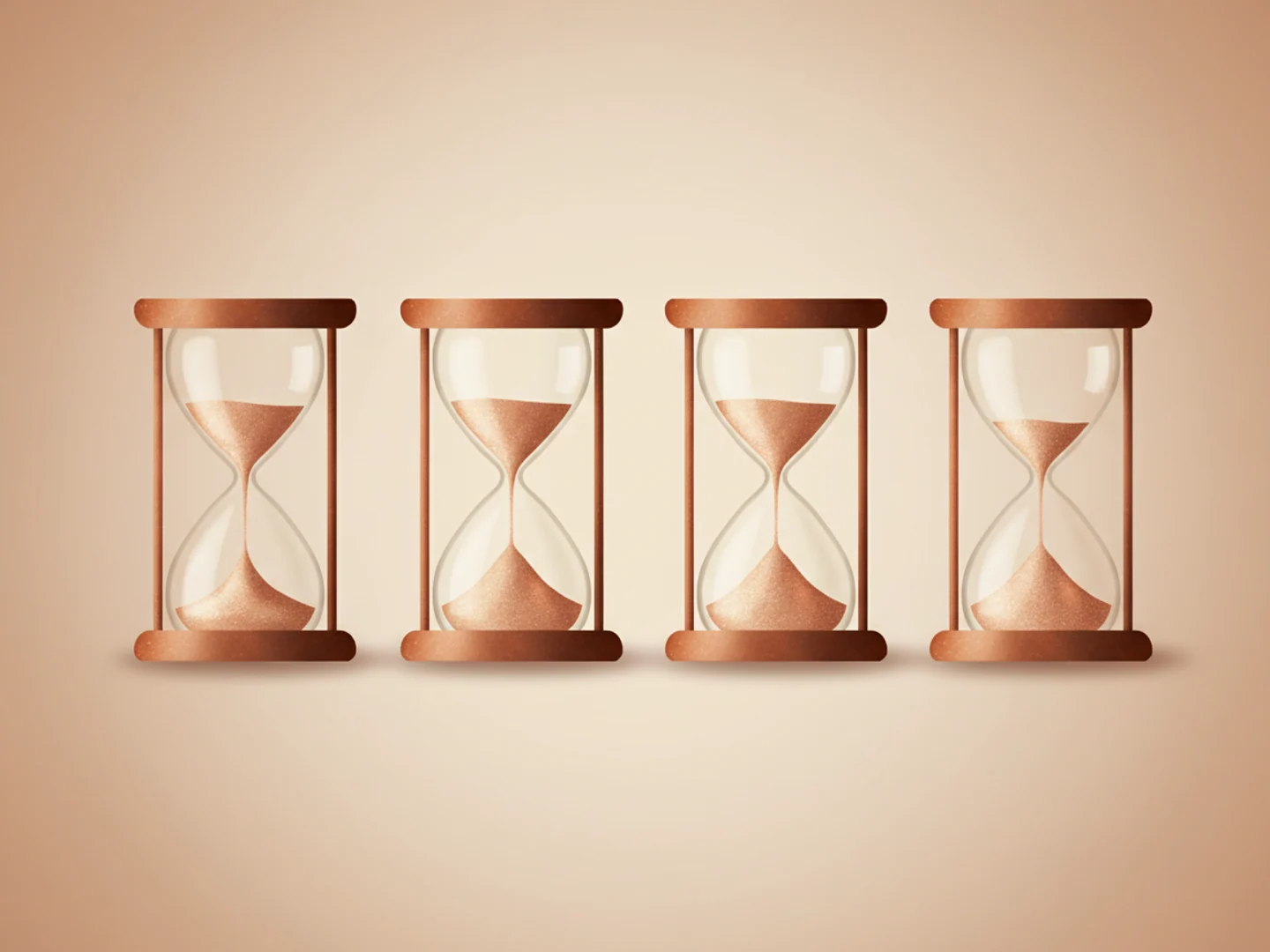
"Doctor, what should I start with at my age?" is one of the most common questions I hear in clinic. "My friend had Ultherapy. Is it too early for me? I'm in my early 30s." "I'm almost 50. Is it too late?" The short answer: there is no age that is too early or too late. What changes is the priority. Strong procedures are wasted on a 20-something, and sunscreen alone is not enough at 50. Even the same procedure means something different at 30 than it does at 50. Below is how I map age-specific skin changes and recommended care, decade by decade.
Why an age-specific approach matters
Skin is in a completely different physiological state at each stage of life:
- Late 20s: collagen has passed its peak and begins declining by roughly 1% per year. Recovery capacity is still at its best.
- 30s: fine lines, expression lines, and melasma appear in earnest. Pregnancy and hormonal shifts add their own effects.
- 40s: collagen loss accelerates and laxity and sagging become visible. Early signs of menopause can begin.
- 50s and beyond: menopausal hormonal changes take hold, dryness and sensitivity rise, and accumulated photodamage surfaces.
In short: your 20s are about prevention, your 50s are about correction.
| Age | Skin state | Priority |
|---|---|---|
| Late 20s | Collagen at peak, beginning to decline | Prevention: "collagen banking" |
| 30s | First fine lines, melasma, hormonal change | First procedures + active homecare |
| 40s | Accelerating collagen loss, visible sagging | Active, regular management |
| 50s+ | Menopausal change, thinning, sensitivity | Comprehensive, conservative multimodal care |
Late 20s: the prevention years ("collagen banking")
The core theme in the late 20s is prevention. Collagen is at its peak, so protecting what you have matters more than trying to make new collagen. The American Academy of Dermatology sometimes calls this "collagen banking." Priorities:
- Sun protection: photoaging accounts for roughly 80% of visible skin aging.
- A basic homecare routine: vitamin C, a light retinol, and moisturization.
- Lifestyle foundations: sleep, not smoking, exercise.
- Light lifting or fat reduction where indicated, such as radiofrequency microneedling or lipolytic injections.
Strong procedures such as HIFU or high-power lasers are largely pointless (or even irritating) at this age. Light treatments (Rejuran, exosomes, toning) or early scar and pigment care are more appropriate.
30s: the first-procedure years
The 30s are when you "start pressing the accelerator." Homecare alone is no longer enough, and this is when procedures begin in earnest, but nothing too aggressive yet. The ideal approach is a combination of light procedures and active homecare. Three essentials:
- Topical retinoids: start at 0.025% and titrate up gradually, watching for irritation.
- Starter procedures: skin boosters (Juvelook, Rejuran, exosomes), toning, and Hollywood Spectra.
- Early pigment and spot care: melasma that appears after pregnancy tends to darken if left untreated.
From your 30s, you can begin HIFU or RF (ultrasound and radiofrequency lifting), stimulating the skin just before collagen loss accelerates.
40s: the active-management years
Your 40s are when serious procedures start producing results. Collagen loss accelerates and laxity becomes clearly visible; this is where the difference shows between those who have kept up care since their 30s and those who have not. Three essentials:
- Firming procedures in earnest: a combination of HIFU (Ultherapy) and RF (Thermage), on a 6-month-to-1-year cycle.
- Establishing a collagen booster: PLLA boosters (Juvelook, Sculptra) for long-term collagen stimulation.
- Comprehensive pigment and texture care: accumulated photodamage now surfaces, so an integrated approach is needed.
The biggest risk in this decade is the urge to "fix everything at once." Over-aggressive treatment leads instead to post-inflammatory hyperpigmentation (PIH), longer recovery, and irritation. Gentle, regular treatment is the best approach. From the late 40s, early signs of menopause (increasing dryness and sensitivity) may begin, making barrier-strengthening homecare an important companion to procedures.
50s and beyond: the comprehensive-care years
After 50 the theme is "steady, comprehensive care." Two big changes arrive together:
- Menopausal hormonal changes: a sharp drop in estrogen causes collagen and hyaluronic acid to decline rapidly.
- Thinning skin and increased sensitivity: strong procedures can become irritating rather than helpful.
Three essentials:
- Multimodal combinations: HIFU + RF microneedling + PLLA boosters, introduced in stages.
- Accounting for hormonal changes: a whole-body evaluation, not just the skin, may be needed.
- Barrier repair and hydration: ceramide-focused care takes priority over strong peels.
"I'm late, so let's go strong all at once" is the most dangerous approach here. At this stage the skin has less recovery capacity, so aggressive treatment tends to cause PIH, erythema, and barrier damage. A conservative, consistent approach is the right one.
The most common mistakes, by age
- Late 20s: starting HIFU or high-power lasers too early, on the mistaken belief that "stronger works better." Sun protection and basic homecare matter far more at this stage.
- 30s: delaying treatment with "it's still too early." Even light procedures should begin, to prepare for the acceleration of the late 30s.
- 40s: the urge to "fix everything at once." Staged, repeated sessions are the answer.
- 50s and beyond: the "I'm late, so do it all at once" mindset. A conservative, consistent multimodal plan is more effective.
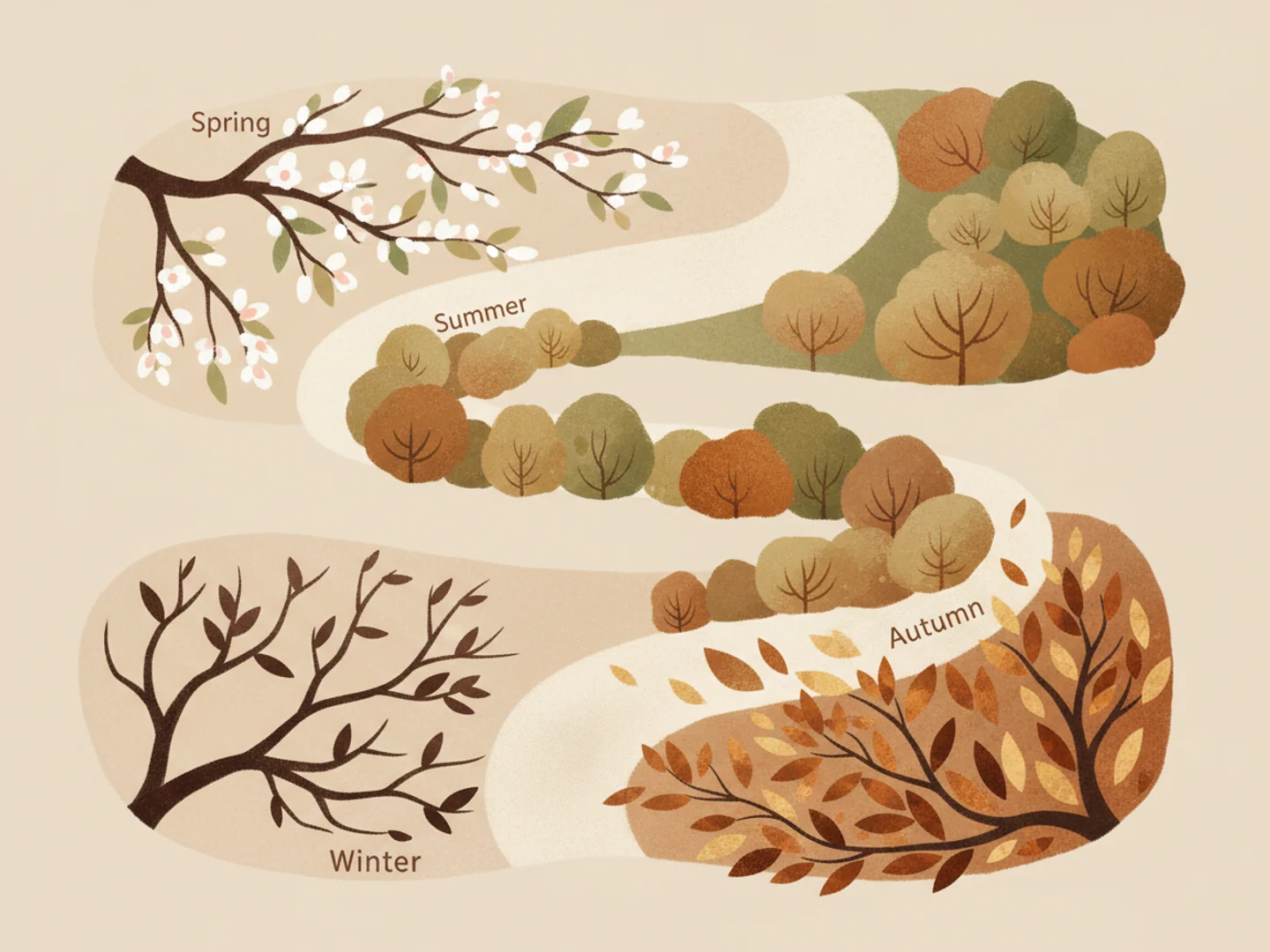
How we approach age-based care at Delight Dermatology
We assess every patient across three axes, age, skin condition, and lifestyle:
- A precise skin assessment at the first visit: diagnosis first, not a default push toward procedures.
- Intensity and frequency tailored to each life stage: we do not recommend "a procedure that is too strong for this stage."
- Integrated recommendations across procedures, homecare, and lifestyle.
- Follow-up on a 6-month-to-1-year cycle, adjusting the protocol as the skin changes.
- Hormonal and systemic factors considered alongside skin health.
Rather than chasing advertising and trends, getting accurate guidance matched to your age and skin condition is the fastest and safest path.
Bottom line: there is no age that is too early or too late, only different priorities at each stage. Prevention in your 20s, early intervention in your 30s, active management in your 40s, comprehensive care after 50: the right intensity and priority at each stage is what makes the difference in the result.
Medical disclaimer. This article is general information and does not replace individual consultation. The suitability, type, and number of procedures should be decided after an in-person consultation with a dermatologist. Where a systemic evaluation is needed (for example, for menopausal hormonal changes), please also consult the relevant specialty (such as gynecology). Prescription medicines (retinoids, etc.) require a doctor's care.
ご案内: この記事の情報は一般的な教育目的であり、医学的助言に代わるものではありません。個別の施術計画は皮膚科専門医との相談を通じて決定されます。