
PRP & Stem Cell Therapy: The Science of Self-Regeneration
PRP (platelet-rich plasma) and stem cell treatments use your body's own healing factors to rejuvenate skin, stimulate collagen, and improve hair growth.

What is PRP therapy?
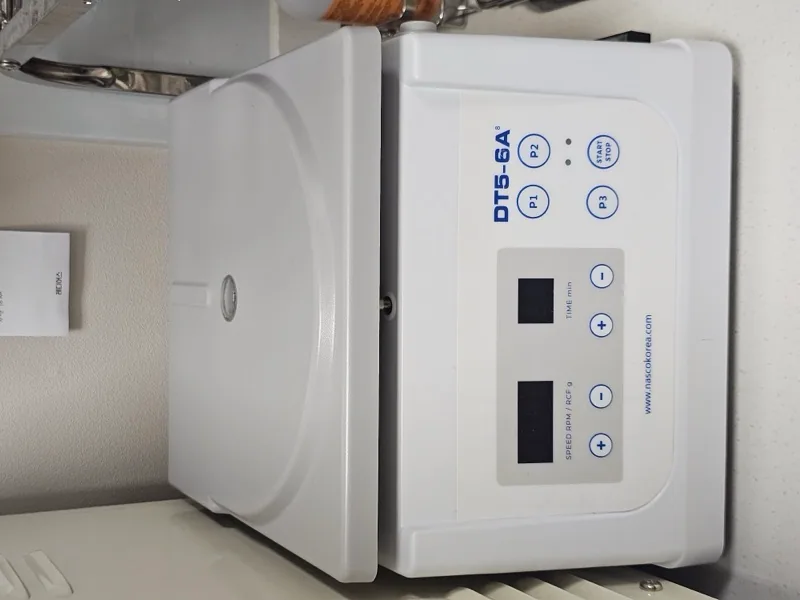
PRP (Platelet-Rich Plasma) therapy is a regenerative treatment that uses concentrated growth factors from your own blood to stimulate tissue repair and collagen production. A small amount of blood is drawn, processed in a centrifuge to separate the platelet-rich layer, and then injected or applied to the target area. Because it uses your own biological material (autologous), there is virtually no risk of allergic reaction or rejection.
The growth factor science
Platelets are not just clotting cells — they are biological storage vessels for alpha-granules, which contain a concentrated mix of growth factors and signaling peptides. When PRP is introduced into the skin, these growth factors activate fibroblasts (the cells responsible for collagen and elastin production), promote new blood vessel formation (angiogenesis), and accelerate cellular turnover.
A foundational review in PMC on PRP peptides catalogued the specific growth factors released: PDGF (platelet-derived growth factor, stimulates fibroblast proliferation), TGF-β (transforming growth factor beta, regulates collagen synthesis), VEGF (vascular endothelial growth factor, drives new capillary formation), EGF (epidermal growth factor, accelerates keratinocyte turnover), and IGF-1 (insulin-like growth factor, supports tissue regeneration).
A 2024 comprehensive review on PRP mechanism in the Journal of Experimental Orthopaedics noted that the effectiveness of PRP depends heavily on preparation methodology — the centrifugation speed, activation method, and final platelet concentration all affect clinical outcomes. This is why PRP quality varies significantly between clinics even when they use the same base concept.
- Growth factors include PDGF, TGF-β, VEGF, EGF, IGF-1
- Stimulates fibroblasts to produce new collagen and elastin
- Promotes angiogenesis (new blood vessel formation) for better skin circulation
- Uses autologous material (your own blood) — no foreign substances
- Preparation protocol matters: centrifuge speed and platelet concentration affect outcomes
PRP for hair loss: meta-analysis evidence
PRP for androgenetic alopecia (male and female pattern hair loss) is one of the most studied applications. A 2023 systematic review and meta-analysis of randomized controlled trials pooled data on PRP for androgenetic alopecia and found statistically significant improvements in hair density and thickness compared to control treatments. The meta-analysis noted that treatment response was strongest when PRP was administered in a series (typically 3-6 monthly sessions) and when higher platelet concentrations were used.
Stem cell and exosome therapy for skin
Stem cell therapy in dermatology typically does NOT involve injecting live stem cells directly. Instead, it uses growth factors derived from stem cell-conditioned media or exosomes — nanoscale vesicles released by stem cells that carry signaling molecules. This approach captures the regenerative signaling without the regulatory and safety concerns of live-cell injection.
A 2023 review in the Journal of Cosmetic Dermatology by Olumesi et al. catalogued the current evidence on exosomes in cutaneous medical aesthetics, documenting their role in wound healing, hair regeneration, and photoaging reversal. A 2024 Frontiers in Medicine review on regenerative topical skincare expanded on this, showing that stem cell-derived exosomes can enhance fibroblast activity and reduce markers of skin aging when applied via microneedling or topical delivery.
At Delight Dermatology Clinic, stem cell-derived treatments are often combined with PRP for a synergistic regenerative effect — the PRP providing platelet-derived growth factors and the exosomes providing stem cell-derived signaling.
Treatment applications
PRP and stem cell/exosome therapies are used for:
- Facial skin rejuvenation: fine lines, dullness, uneven tone
- Acne scars: especially when combined with microneedling or fractional laser
- Under-eye dark circles and hollowing
- Hair loss treatment: evidence-backed for androgenetic alopecia
- Post-procedure recovery: accelerates healing after laser or microneedling
What to expect
The blood draw takes a few minutes, centrifuge processing takes about 10 minutes, and the treatment itself takes 20-30 minutes. Mild redness or swelling at injection sites typically resolves within 24-48 hours. Most patients see gradual improvement starting 2-4 weeks after treatment, with optimal results after 3-4 sessions spaced 3-4 weeks apart. PRP and stem cell treatments are often part of a broader anti-aging protocol combined with devices like Rejuran, Sculptra, or laser treatments.
Sources & references
- Platelet-Rich Plasma Peptides: Key for Regeneration — PMC foundational review
- Complexity of Platelet-Rich Plasma: Mechanism of Action, Growth Factor Utilization and Variation in Preparation — 2024
- Platelet-Rich Plasma for Androgenetic Alopecia: Systematic Review and Meta-Analysis of RCTs — 2023
- Olumesi et al. "A review of exosomes and their application in cutaneous medical aesthetics." J Cosmet Dermatol. 2023. PMID: 37498301
- Regenerative Topical Skincare: Stem Cells and Exosomes — Frontiers in Medicine 2024
ご案内: この記事の情報は一般的な教育目的であり、医学的助言に代わるものではありません。個別の施術計画は皮膚科専門医の相談を通じて決定されます。
関連施術