
Combination Oily-Dehydrated Skin: Causes and How to Fix It
Oily on top but tight and flaky underneath? A Seoul dermatologist explains 'oily-dehydrated' skin: why it happens, the home-care basics, and clinic options.
This is an English adaptation of a clinical article Dr. SangYoul Yun: board-certified dermatologist and Medical Director of Delight Dermatology in Gangnam, Seoul, originally published in Korean. Read the Korean original on Naver. It has been restructured and translated for international readers.
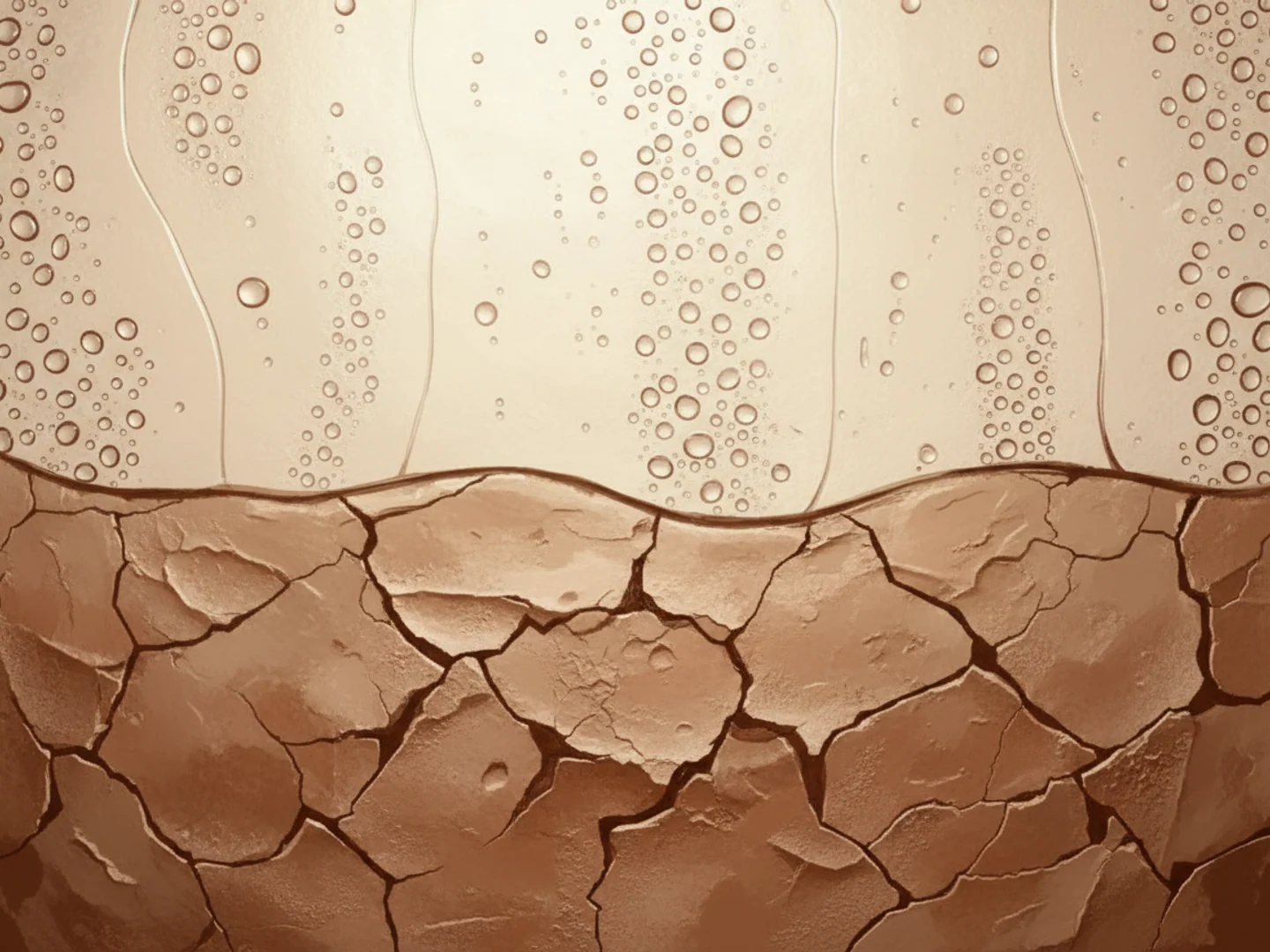
Have you ever heard the Korean term subuji skin? Some people have skin that looks shiny and oily, yet still flakes and feels tight. What does that actually mean? In short: the surface is oily, but the inner skin lacks water: high oil production combined with low elasticity and dryness.
Oil and water are two different things
Isn't "oily skin" simply the opposite of "dry skin"? So how can skin be oily and dry? Here's the key distinction:
- Oily vs non-oily: the opposite of oily skin is non-oily skin.
- Hydrated vs dehydrated: separately, skin can hold plenty of water (hydrated) or lack it (de-hydrated).
Once you separate oil from water, the picture makes sense: someone with oily skin (many sebaceous glands, heavy sebum, frequent clogged pores and inflammation) can at the same time be dehydrated. And that combination is common: roughly 20–30% of Korean skin falls into this oily-dehydrated pattern.
Why oily-dehydrated skin happens
At its root, this pattern comes from dehydration. Water can be lost when autumn and winter humidity drops, when the protective skin barrier breaks down, through repeated inflammation, or from incorrect cleansing habits. When someone whose skin lacks water also has many sebaceous glands producing excess sebum, the result is oily-dehydrated skin.
Common symptoms
- Reduced elasticity, so the skin can sag and form wrinkles.
- Dryness with frequent flaking.
- Low resistance to external irritation, so inflammation and breakouts are more common.
A common mistake
Some people with this skin type assume they simply have dry skin and reach for rich, oily products, which is like fanning the flames. The skin is already oily, so it only becomes shinier and more inflamed.
Can you diagnose it yourself?
To a reasonable degree, yes. If your skin looks shiny and oily but still feels tight and flakes, there's a good chance it's oily-dehydrated.
What you can do at home
- Drink enough water. Aim for about 1.5–2 L a day, spread throughout the day.
- Don't over-cleanse. Excessive or harsh washing (often done to control oil) actually breaks down the skin barrier and drives water loss.
- Use water-rich products. Look for cosmetics rich in hyaluronic acid, which binds water in the dermis to add hydration and support elasticity; applied topically, it's absorbed and helps replenish the skin's water.

When home care isn't enough
Even with diligent home care, this can be hard to manage alone, and that's when a clinic can help. Care generally runs along two tracks:
- Oil control: scaling and, where appropriate, prescription sebum-regulating treatment. Other in-clinic options for oil and pore control include chemical peels and skin botox.
- Hydration: injectable hydration such as hyaluronic-acid "glow" injections and Rejuran Healer, which deliver moisture directly into the dermis to improve the oily-dehydrated pattern.
If you recognize yourself as oily-yet-dehydrated, I hope this gives you a clearer understanding of your skin type. With corrected daily habits and, where needed, in-clinic care (built on the fundamentals of a good skin-care routine), meaningful improvement is possible.
Medical disclaimer. This article is general information and does not replace individual consultation. Prescription sebum-regulating treatment requires a doctor's assessment, and the right combination of care should be decided after an in-person consultation with a dermatologist.
ข้อมูล: ข้อมูลในบทความนี้เป็นการให้ความรู้ทั่วไปเท่านั้น ไม่ใช่คำแนะนำทางการแพทย์ แผนการรักษาเฉพาะบุคคลถูกกำหนดผ่านการปรึกษาแพทย์ผิวหนังเฉพาะทาง ผลลัพธ์อาจแตกต่างกัน
หัตถการที่เกี่ยวข้อง